Compare afternoon tea cruises on the Thames by food, route and seating. Find the best relaxed treat for couples and seniors, plus what to check before booking.
Which Afternoon Tea Cruise Suits You?
An afternoon tea cruise Thames trip solves a specific problem: you want the city's big landmarks without the queuing, walking or weather-dependence of doing them on foot. You sit down, someone brings you tea and cake in stages, and Tower Bridge, the Houses of Parliament and the London Eye slide past the window. That's the appeal, and it's a real one — but it's not for everyone, and the quality varies more than the marketing suggests.
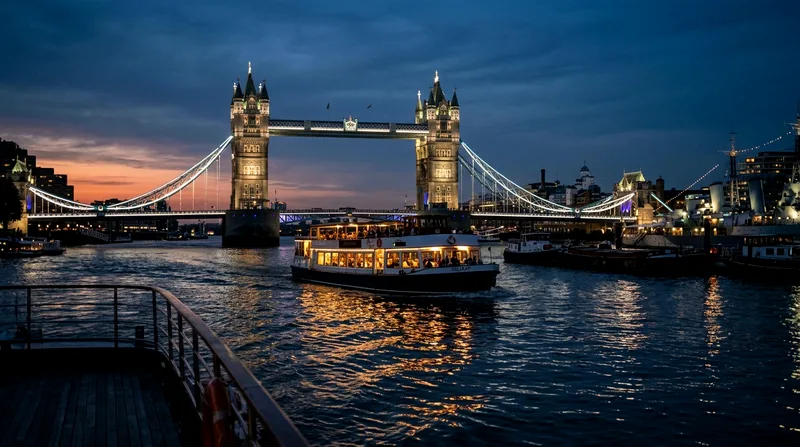
The honest trade-off is this: you're paying partly for food and partly for a view, and neither is likely to be the best version of itself in London. The tea is usually good, not exceptional — think solid sandwiches, a warm scone, a couple of patisserie pieces — because a boat galley has real constraints a hotel kitchen doesn't. The view, on the other hand, genuinely delivers, especially past Tower Bridge and along to the Houses of Parliament and Big Ben.
If you're choosing between this and, say, a walking food tour or a standard sightseeing cruise, the afternoon tea version suits people who want to combine eating and sightseeing into one seated block of time, roughly two to two and a half hours. It doesn't suit people who want to get off and explore mid-route, since most of these are round trips or one-way transfers with a fixed schedule.
Couples and special occasions
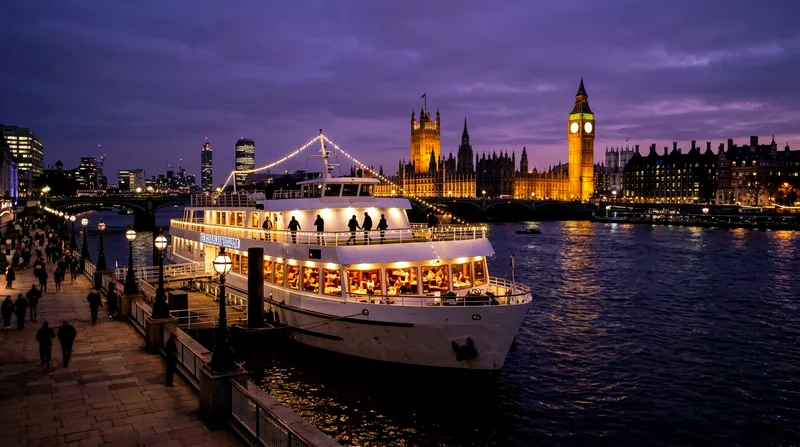
For anniversaries, proposals or a low-key second day in London, a tea cruise does a lot of work for relatively little planning. Window seating on the right side of the boat (ask when booking — river routes mean landmarks appear on one side more than the other) makes a real difference to the experience. Evening or late-afternoon sailings often include a sparkling wine top-up, and the light around Tower Bridge in the early evening is better for photos than a flat midday sun. Compare this to a Seine dinner cruise in Paris, which tends to be more formal and pricier; the Thames version is generally more relaxed and shorter, which suits couples who want a nice afternoon rather than a full evening commitment.
Seniors and relaxed travellers
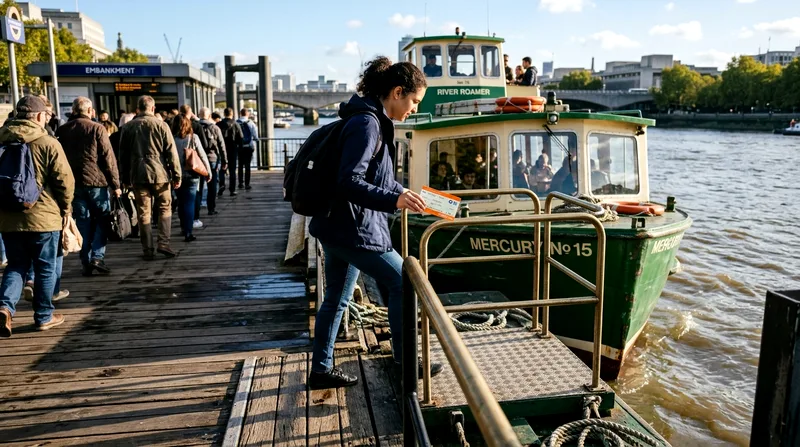
A thames afternoon tea cruise for seniors works well because it removes the two things that wear people out in London: walking and stairs. Most vessels board at level or near-level gangways from piers like Tower Pier, and seating is at fixed tables rather than bench rows, so you're not twisting to see the view. Ask specifically about step-free boarding and whether toilets are accessible on board — this varies by boat and isn't always obvious from the booking page. Boats with large windows and a covered deck suit travellers who want the view without sitting in the wind; open-top boats look appealing in photos but are considerably less comfortable for anyone sensitive to cold or glare.
Thames Tea Cruise Types Compared
Not all Thames tea cruises are built the same way, and the differences matter more than the menu does. Broadly, you're choosing between a shared sightseeing boat with fixed departures, a smaller exclusive vessel with a set tea service, or a privately hired boat for a group. Duration generally runs from about 1.5 hours for shorter shared sailings up to around 2.5 hours for the longer round trips that go further toward Greenwich or back past the Tower of London.
Shared sightseeing cruises offer the best value for couples and seniors, while private hire only pays off for larger groups.
Afternoon tea cruise Thames types compared by duration, seating and best use
| Cruise Type | Typical Duration | Seating Style | Best For | Price Level |
|---|---|---|---|---|
| Shared sightseeing cruise | 1.5–2 hours | Shared tables, fixed departure | Couples, seniors, solo travelers | Mid |
| Exclusive boutique vessel | 2–2.5 hours | Smaller, single sitting | Special occasions, quieter groups | Mid-high |
| Private full-boat hire | 2–3 hours | Whole vessel, flexible layout | Large groups, celebrations | High per boat, low per person if 20+ |
| Evening/sparkling tea sailing | 2 hours | Shared or exclusive, later departure | Couples, anniversaries | Mid-high |
Typical figures based on standard Thames cruise formats; durations and inclusions vary by operator, so check before you travel.
Shared sightseeing vs exclusive vessels
Shared sightseeing cruises are the standard option — you book a seat, not a boat, alongside other couples and small groups. These tend to be larger vessels with a commentary (sometimes live, sometimes recorded) pointing out Tower Bridge, the Tower of London and the Houses of Parliament as you pass. They're the most frequently departing option and usually the better value per person.
Exclusive or boutique vessels are smaller, often with a single sitting and a more considered tea service — closer to a proper hotel afternoon tea on water. Expect fewer tables, slower pacing, and a higher per-person cost. If you want quiet conversation rather than a tannoy announcement every few minutes, this is the better category, though availability is more limited and sailings less frequent.
Private hire vs group sailings
Private hire means booking the whole boat — sensible for a family celebration, a hen do, or a corporate group, but a poor use of money for two people. You pay for the entire vessel's capacity regardless of headcount, and the per-person cost only becomes reasonable once you've got a group of around twenty or more. Group sailings (open to the public, booked by the seat) are what almost all couples and solo or senior travellers should default to — you get the same food and the same view at a fraction of the cost. Compare current boat tours and prices before you book, since private hire minimums and group sailing frequency both shift seasonally.
Food, Route and Seating Reviewed
The best afternoon tea cruise London operators tend to get judged on three things in reviews: food quality, window access, and whether the boat felt cramped. TripAdvisor threads on these cruises follow a predictable pattern — four- and five-star reviews praise the view and service, while the common complaints are about tight seating, slow tea refills on fully booked sailings, and sandwiches that felt pre-made rather than fresh. That's worth knowing going in: a boat galley isn't a hotel kitchen, and the food is reliably fine rather than memorable.
Menu quality and dietary options
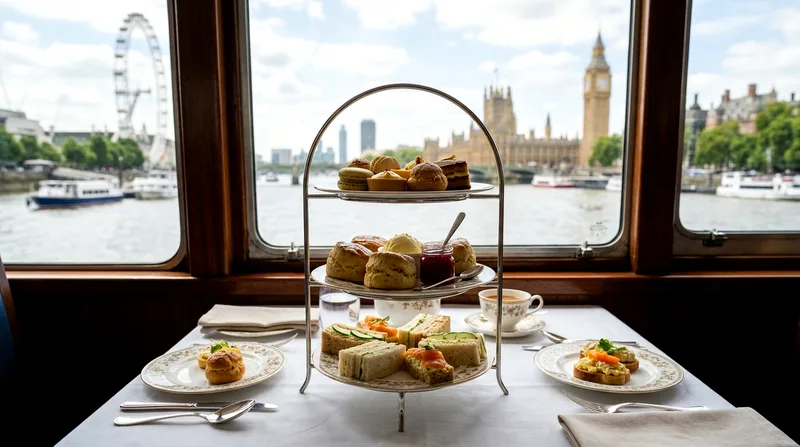
Expect a tiered stand: finger sandwiches (cucumber, egg, smoked salmon are common), a plain and a fruit scone with jam and clotted cream, and two or three small pastries. Tea selections usually include a standard English breakfast, Earl Grey and a herbal option; some include a glass of sparkling wine or a cocktail in the mid-range and premium tiers. Vegetarian and vegan versions are commonly available, and gluten-free stands can usually be arranged — but only if you flag it at least 24 to 48 hours ahead, not on the day. If you have a severe allergy, email the operator directly before booking rather than relying on the online form; cruise caterers work off fixed daily menus and have less flexibility than a restaurant kitchen.
Landmarks, window seats and photo spots
Most round-trip routes from central piers pass Tower Bridge, the Tower of London, and continue toward the London Eye and Houses of Parliament with Big Ben, before turning back. Window seats are the single biggest factor in satisfaction — a middle table with no window view is a common complaint in reviews, so ask at booking whether seating is assigned or first-come. If photos matter to you, request a riverside seat facing outward and aim for a cruise timed around Tower Bridge during the return leg, when boats are often slower and closer to the bridge.
What to Check Before Booking
Before you commit to a thames afternoon tea cruise, read past the headline photo and check the practical details that actually affect your afternoon. This is where most disappointment comes from — not bad food, but mismatched expectations about space, timing or what's actually included.
Inclusions, group size and accessibility
Check whether tea refills are unlimited or a single pot per person, whether the sparkling wine is included or an add-on, and how many tiers the stand actually has — some budget versions trim this to two tiers instead of three. Group size matters too: boats with 100+ covers can feel more like a function room than an intimate tea; smaller vessels with 30–50 seats feel calmer but book out faster. For step-free access, confirm boarding method at the departure pier (Tower Pier and similar central piers are generally easier than smaller jetties) and ask if there's a lift or stairs to reach the dining deck.
Cancellation and weather policies
Thames cruises run in most weather, including light rain, since seating is largely covered — but operators can cancel for high winds, flooding, or river closures linked to events. Check whether a weather cancellation gets you a refund or just a rebooking voucher; policies differ, and vouchers with short expiry windows are a common gripe in reviews. Free cancellation windows (typically 24–48 hours before departure) vary by operator, so read the fine print rather than assuming standard consumer protections apply.
When to Book Your Tea Cruise
Book further ahead than you'd expect — popular weekend afternoon slots, especially around Tower Bridge sailing times, can fill one to two weeks out in peak summer months, and school holiday periods push that further. Weekday sailings are easier to get and sometimes slightly cheaper, which suits senior travellers and couples with flexible schedules more than it suits a Saturday-only visit.
Seasonal views and best times of day
Late spring through early autumn gives the longest daylight and the best chance of a dry, calm crossing — useful if open-deck photos matter to you. Winter cruises are quieter and often slightly cheaper, and the Houses of Parliament lit up against a dark sky has its own appeal, but expect a colder boarding experience and less time on any open deck. For the best light on Tower Bridge and the river generally, a mid-afternoon sailing (around 2–4pm) tends to beat an early lunchtime slot, when the sun can sit flatly overhead with less contrast on the buildings.
Frequently asked questions
How long is an afternoon tea cruise on the Thames?
Most run between 1.5 and 2.5 hours, covering a round trip from a central pier such as Tower Pier out past Tower Bridge and toward the Houses of Parliament before returning. Shorter sailings suit a tight schedule; longer ones give more relaxed pacing between courses and better photo opportunities.
What food is included in a Thames afternoon tea cruise?
Expect a tiered stand with finger sandwiches, a scone with jam and clotted cream, and a couple of pastries, served with a choice of tea. Mid-range and premium bookings often add a glass of sparkling wine or a cocktail — check the listing, since this isn't always standard.
Which landmarks will I see on a Thames tea cruise?
Typical routes pass Tower Bridge and the Tower of London, continuing toward the London Eye and the Houses of Parliament with Big Ben, depending on the departure pier and route length. Ask which side of the boat faces the landmarks before choosing your seat.
Is a Thames afternoon tea cruise suitable for seniors?
Yes, generally — it's a seated, low-walking activity with level boarding at most central piers like Tower Pier. Confirm accessible toilets and step-free access to the dining deck when booking, since this varies by vessel and isn't always stated clearly online.
Can dietary requirements be catered for on a tea cruise?
Most operators offer vegetarian, vegan and gluten-free versions of the tea stand, but they need 24–48 hours' notice rather than being arranged on the day. For serious allergies, email the operator directly before booking instead of relying on a general dietary dropdown.