Best London Airport to Fly Into: Heathrow vs Gatwick vs Stansted
Which is the best London airport to fly into? Compare Heathrow, Gatwick, Stansted, Luton and London City on journey time and transfer cost.
11 min read · 21 Oct 2026
London Airport Transfers Compared
Compare London airport transfers by time, cost level, effort and comfort, plus how zones and tickets work, so you can pick the best way into the city.
London has six airports, and the question of london airport transfers rarely has one right answer — it depends on which airport you land at, how much luggage you're carrying, and what time your flight gets in. Broadly, you're choosing between rail links (train, Tube or the Elizabeth line), coaches, taxis, private cars, and rideshare apps. Each has a different balance of speed, price and hassle.
Rail is usually fastest and most predictable because it isn't affected by traffic. Coaches are the cheapest option but the slowest, especially from Stansted or Luton during peak hours. Taxis and private cars cost more but deliver you to the door, which matters at 11pm with two tired children and four suitcases. Rideshare apps sit in between — often cheaper than a black cab, though pickup points at UK airports can be awkward and poorly signed.
My honest view: pre-booking a private transfer only makes sense if you land after midnight, travel with mobility equipment, or have more bags than seats on a train. Otherwise, you're paying a premium for convenience you don't need. I'd also avoid unlicensed taxi touts inside arrivals halls entirely — always use the official taxi rank or a licensed minicab booked through a desk or app.
The Elizabeth line now connects Heathrow directly to central London (Paddington, Bond Street, Liverpool Street) in roughly 45-55 minutes, and it accepts standard Transport for London fares rather than a premium ticket. The Heathrow Express is faster — about 15 minutes to Paddington — but costs noticeably more and only serves one station. Gatwick Express runs non-stop to Victoria in around 30 minutes. Stansted Express reaches Liverpool Street in about 45-50 minutes, while Luton requires a short shuttle to Luton Airport Parkway station before a train into St Pancras, adding 10-15 minutes to the overall journey. Coaches from any airport into central London typically take 60-90 minutes depending on traffic, and are the cheapest fixed option — useful if you're not in a hurry and want to avoid rail fare complexity.
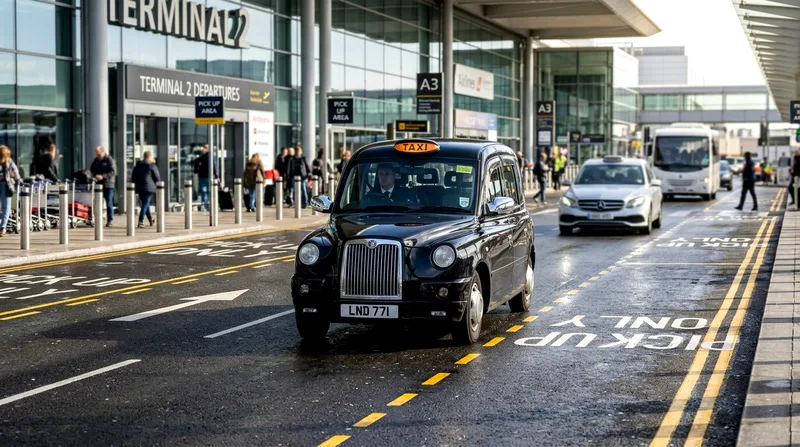
Black cabs from Heathrow or Gatwick into central London are metered and can run £80-£100 or more depending on traffic and time of day — convenient, but genuinely expensive for a solo traveller. Pre-booked private transfers usually quote a fixed fare agreed before you fly, which removes the risk of surge pricing or a meter running during a jam on the M4. Rideshare apps are generally cheaper than black cabs but require you to find a designated pickup zone, which at Heathrow and Gatwick can mean a 5-10 minute walk from baggage claim. For families with pushchairs or senior travellers who struggle with stairs, a private car booked in advance with meet and greet is often worth the extra cost over public transport.
Strip away the marketing and every transfer option really comes down to four things: how long it takes, what it costs, how much hassle is involved, and how comfortable it is with your specific luggage and group. Rail wins on time and reliability almost everywhere except City Airport, where the DLR is already so close that a taxi barely saves time. Coaches win on price but lose badly on time if there's traffic on the M11 or M1. Private transfers win on comfort and predictability of cost, but you pay for that certainty.
I'd push back on the common advice to "always take the train" — it's usually right, but not if you're arriving with a toddler, two car seats, and three suitcases after a 10-hour flight. In that situation, the 45 minutes you save by avoiding transfers at a Tube station is worth far more than the cost difference.
Rail links are fastest and cheapest from every major London airport except City, where the DLR already does the job.
London airport transfers compared by time, cost and effort
| Airport | Fastest Transfer | Journey Time | Cost Level | Effort |
|---|---|---|---|---|
| Heathrow | Heathrow Express | approx. 15 min | £££ | Low |
| Heathrow | Elizabeth line | approx. 45-55 min | ££ | Low-Medium |
| Gatwick | Gatwick Express | approx. 30 min | ££-£££ | Low |
| Stansted | Stansted Express | approx. 45-50 min | ££ | Medium |
| Luton | Shuttle + train | approx. 45-60 min | ££ | Medium |
| London City | DLR | approx. 20-25 min | £ | Low |
| Southend | Southend to London train | approx. 55-70 min | ££ | Medium |
Typical figures based on published route information; actual times vary with traffic, service disruptions and time of day, so check current prices and schedules before you travel.
As a rough guide: Heathrow to central London takes 15 minutes by Heathrow Express (£££), 45-55 minutes by Elizabeth line (££), 45-60 minutes by bus or coach (£), or 45-75 minutes by taxi depending on traffic (£££). Gatwick to Victoria is about 30 minutes by Gatwick Express (££-£££) or 60-90 minutes by coach (£). Stansted and Luton both sit roughly 45-60 minutes out by rail and 75-100 minutes by road transfer in heavier traffic. London City Airport is the outlier — the DLR gets you into Bank or Canary Wharf in under 25 minutes for a standard Tube fare, making a taxi almost pointless unless you have heavy luggage.
Trains and the Elizabeth line have limited luggage racks and no guaranteed seating at peak times, which is a real problem if you're travelling with golf clubs, musical instruments, or three large suitcases for a family of five. Step-free access varies by station — Paddington and Victoria are well equipped, but some Underground stations on connecting routes are not, which matters for wheelchair users or anyone with a bad knee. If your flight lands after the last train or coach departs (last Heathrow Express and Elizabeth line services typically run until around 11:30pm-midnight, earlier for some coach routes), a taxi or pre-booked private transfer becomes the only realistic option, and night rates will apply.
Not all six London airports are equal, and the "best" transfer really depends on which one your flight lands at. Heathrow and Gatwick have the strongest rail infrastructure and serve the most international routes, so most visitors will land at one of these two. Stansted, Luton, City and Southend serve budget carriers and regional routes, and each has its own quirks worth knowing before you land tired and disoriented.
Heathrow is the busiest of the lot and has the most transfer choice: four terminals, the Elizabeth line, Heathrow Express, the Piccadilly line (slower, around 50-60 minutes, but cheaper than the Elizabeth line for Zone 1-6 Oyster fares), plus coaches and taxis. If you're comparing against arriving in Paris via RER B from Charles de Gaulle, Heathrow's rail options are arguably better signposted and more frequent. Gatwick, south of the city, has one excellent direct rail option — Gatwick Express to Victoria — plus slower but cheaper Southern and Thameslink services that stop more often but cost less. Avoid Gatwick Express if you're only going a few stops past Victoria; a regular Southern train on the same line is often half the price for a similar overall time.
Stansted and Luton mainly serve low-cost European routes, and both are genuinely further from central London than first-time visitors expect — budget 60-90 minutes door to door once you include walking and waiting. Luton's rail station isn't inside the airport itself, so factor in the shuttle transfer. London City Airport is the most central of the six, popular with business travellers, and the DLR connection makes a taxi almost unnecessary unless you're heading somewhere awkward like Heathrow for a connecting flight. Southend is the furthest out and the least connected — fine if you're staying in east London or Essex, inconvenient for anywhere near the West End. If you're comparing city-break logistics with somewhere like Dublin or Edinburgh, where the airport sits much closer to the centre, London's spread-out airport system is one of its real downsides.
Once you've handled the airport transfer to central London, you still need to navigate the Underground, buses and rail network for the rest of your stay — and this is where London's zone system trips up a lot of first-time visitors, including some who've already mastered the Paris Métro or Rome's two-line system.
Transport for London divides the network into nine concentric zones, though almost everything a typical visitor needs sits within Zones 1-4. Zone 1 covers the centre — the West End, the City, most major sights. Fares are calculated by how many zones you cross and whether you travel in peak or off-peak hours (generally before 9:30am on weekdays is peak). Heathrow sits in Zone 6, which is why a Tube or Elizabeth line journey there costs more than a short hop within Zone 1. Unlike Amsterdam's flat-fare tram system, London's zone pricing rewards planning — knowing roughly which zones you'll cross each day can save a few pounds without much effort.
For most visitors, tapping a contactless debit or credit card directly on the yellow readers is simplest — it automatically caps your daily spend at the equivalent of a day Travelcard, and works on the Tube, buses, the Elizabeth line and most National Rail services within London. An Oyster card does the same thing but requires a £7 refundable deposit and a top-up, which only makes sense if you don't want to use a personal bank card abroad or you're staying long enough to avoid foreign transaction fees. Paper Travelcards still exist but are mostly redundant now — I wouldn't bother unless you specifically need a physical ticket for a reason like a group booking. Buses in London don't accept cash at all, so contactless or Oyster is mandatory there.
There's no single best london airport transfer — only the best one for your situation. Matching the option to your trip type saves more money and stress than chasing the theoretically fastest route.
Solo travellers and couples with one bag each should default to rail — the Elizabeth line from Heathrow, Gatwick Express, or Stansted Express all offer a good balance of speed and cost, and you can tap in with contactless the moment you arrive. Families with young children and multiple suitcases often do better pre-booking a private transfer or taking a taxi from the rank, because navigating escalators and ticket gates with a pram is genuinely stressful, not just inconvenient. If you're also comparing this trip against a family visit to Barcelona or Brussels, those cities' simpler one-zone airport metros make London feel more complicated by comparison — plan an extra 20-30 minutes of buffer time for transfers with kids.
Budget travellers should take coaches or standard Tube/rail connections and skip the express premium services — the time saved rarely justifies double or triple the fare. Business travellers landing at City Airport should just use the DLR; it's faster than booking a car in most traffic conditions. Travellers with mobility needs should check step-free access maps before choosing a route, since not every Underground station between the airport and your hotel will have lifts — a pre-booked accessible taxi or private transfer is often the more reliable choice even though it costs more.
For most travellers without heavy luggage, a direct rail link is best — the Elizabeth line or Heathrow Express from Heathrow, or Gatwick Express from Gatwick. They're faster than road transport at peak times and cost far less than a taxi. If you land late at night or travel with a lot of luggage, a pre-booked private transfer with a fixed fare is the more practical choice.
Take the train or Elizabeth line into the nearest central London station to your hotel (Paddington, Victoria, Liverpool Street or St Pancras, depending on your airport), then switch to the Underground or a short taxi for the final stretch. Tap in with a contactless card throughout — it's accepted on the Tube, Elizabeth line and buses, and caps your daily fare automatically.
Options include direct express trains (Heathrow Express, Gatwick Express, Stansted Express), standard rail and Tube services like the Elizabeth line and Piccadilly line, coaches, licensed black cabs, pre-booked private cars with meet and greet, and rideshare apps. Each airport supports a different mix, so check which services actually run from your specific terminal.
Black cabs are metered, so the fare varies with traffic and time of day — not negotiable. Pre-booked private transfers usually quote a fixed price in advance, agreed before you travel, which protects you from surge pricing. Rideshare apps show an estimated fare upfront but it can change slightly with demand. Public transport fares are fixed by Transport for London based on zones and time of day.
Pre-booked private transfers typically include a meet and greet service, where a driver waits in arrivals holding a name board and helps with luggage. Standard taxis from the rank and public transport do not offer this. If meet and greet matters to you — useful for elderly relatives or solo travellers unfamiliar with the airport — confirm it's included when you book, since not every private transfer provider offers it as standard.
Which is the best London airport to fly into? Compare Heathrow, Gatwick, Stansted, Luton and London City on journey time and transfer cost.
11 min read · 21 Oct 2026
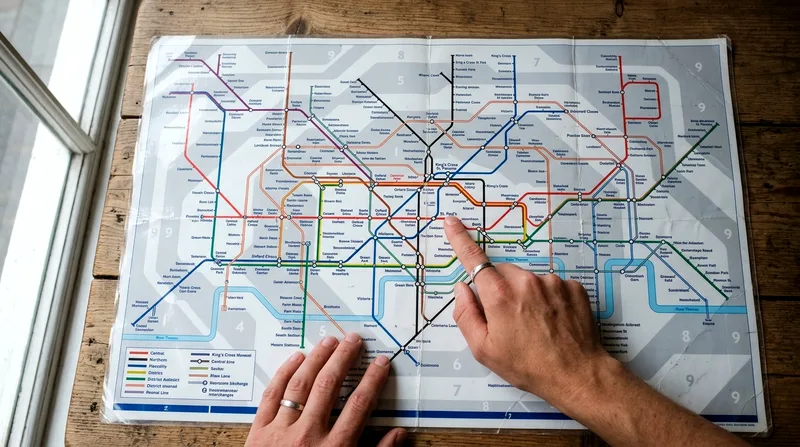
Read the London Underground map like a local — understand zones, line colours, step-free Tube stations and the Elizabeth line before you travel.
10 min read · 21 Oct 2026
Compare every way from Luton Airport to London: train and DART shuttle, direct coach or private transfer. See what's fastest, cheapest and easiest.
11 min read · 21 Oct 2026
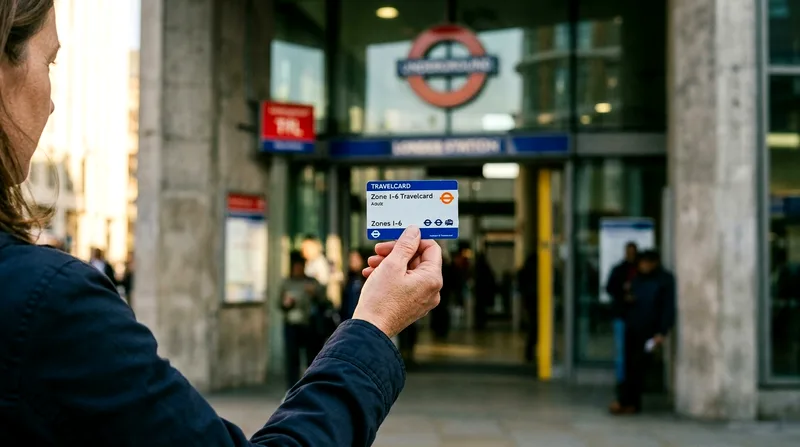
Compare London Travelcard price by zone and duration, see how it stacks up against contactless caps, and learn when 2-for-1 offers pay off.
9 min read · 21 Oct 2026

Oyster card vs contactless for London visitors: compare fare capping, foreign card fees and child discounts to find the cheapest way to pay for transport.
10 min read · 21 Oct 2026
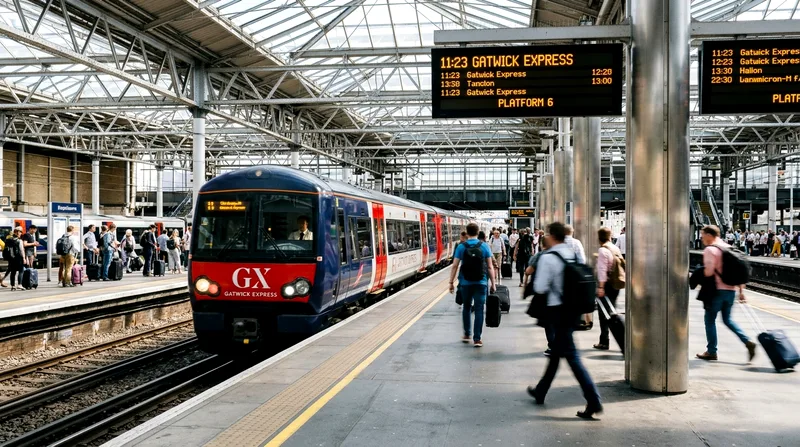
Compare Gatwick Express tickets, from single and return fares to advance discounts, and see when contactless beats a booked ticket for Victoria to Gatwick.
9 min read · 21 Oct 2026
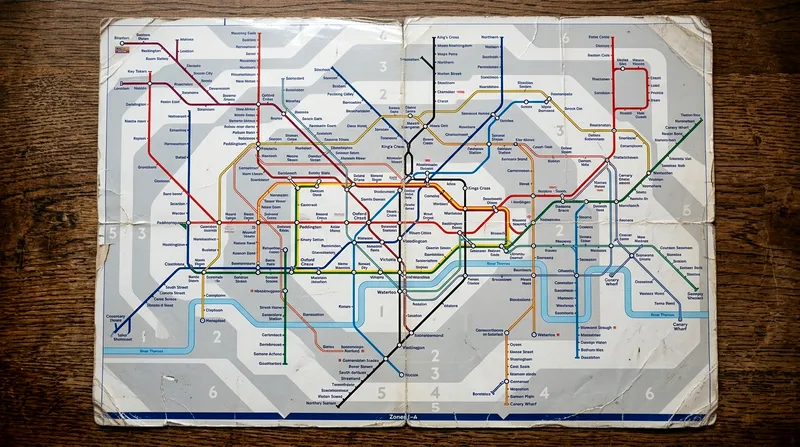
Understand the London zones map: which zone is central London, where major attractions sit, and how zones shape daily fare caps and Travelcard choices.
10 min read · 21 Oct 2026
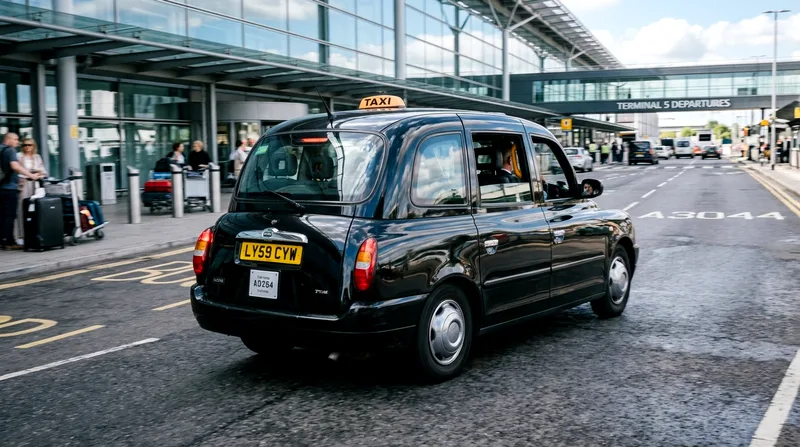
Compare a London private airport transfer with black cabs and ride-hailing on cost, comfort and luggage space, and see which suits families and seniors best.
10 min read · 21 Oct 2026
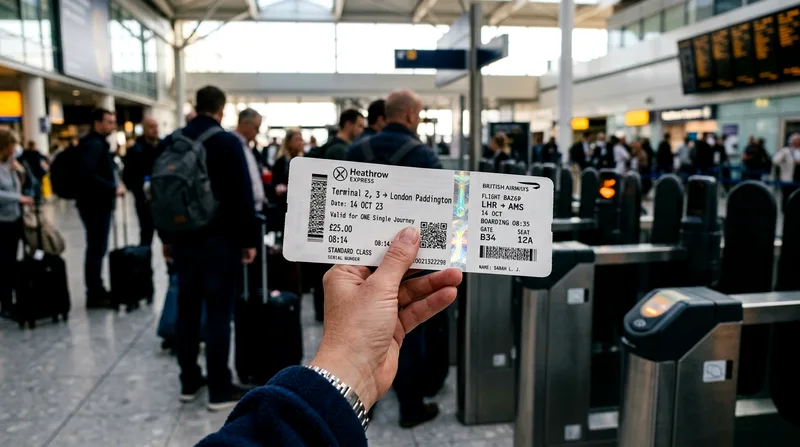
Compare Heathrow Express ticket types, see how advance fares and group tickets cut costs, and learn where to book officially before you travel to London.
10 min read · 21 Oct 2026
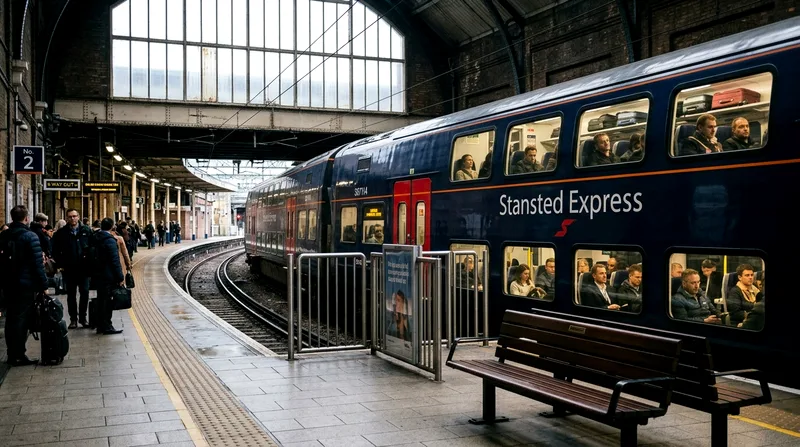
London how to get to Stansted Airport: compare the Stansted Express and budget coaches on time, cost, luggage and night-flight suitability.
9 min read · 21 Oct 2026
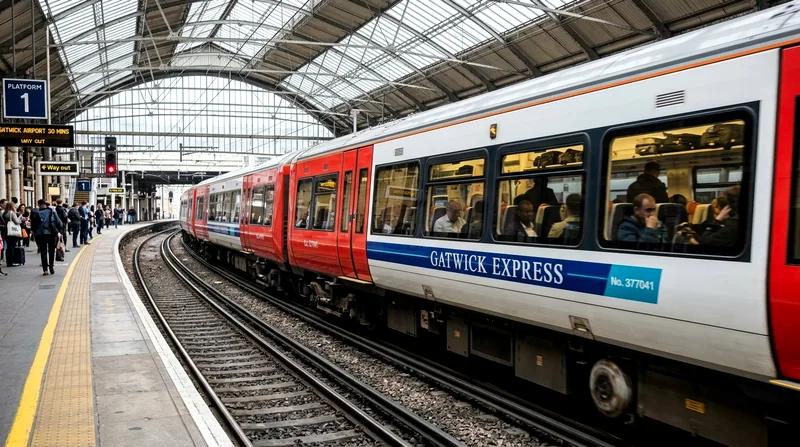
London: how to get to Gatwick Airport by Gatwick Express, Southern, Thameslink, coach or taxi — journey times, cost levels and the best pick for you.
10 min read · 21 Oct 2026
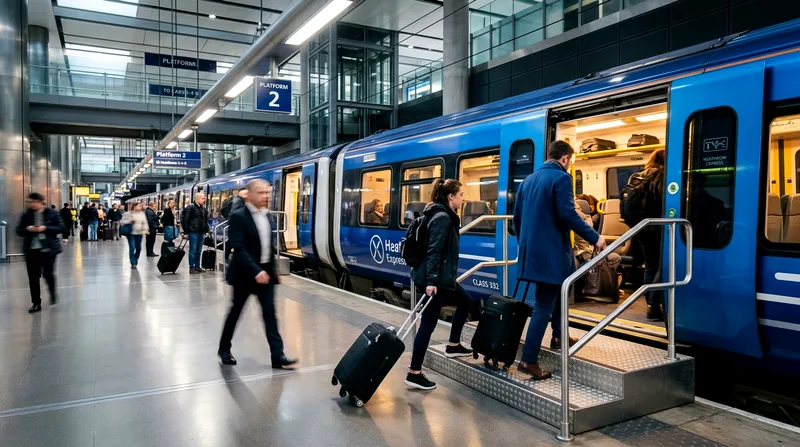
London how to get to Heathrow: compare Heathrow Express, Elizabeth line, Piccadilly line, coach and private transfer by time, cost and luggage.
11 min read · 21 Oct 2026