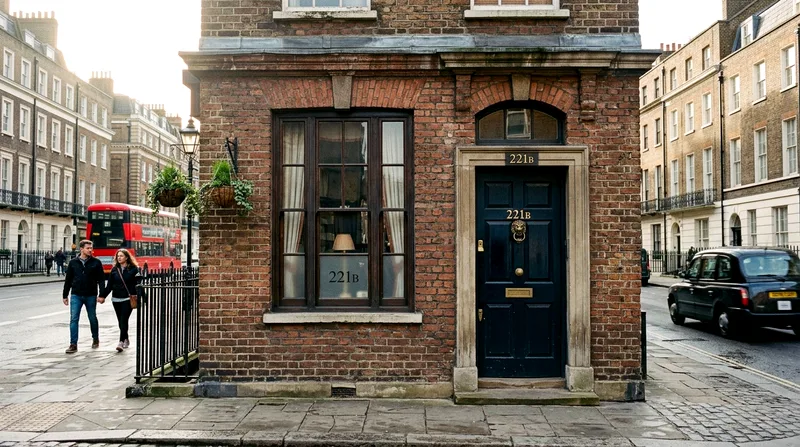
Sherlock Holmes Museum Tickets: Is 221B Baker Street Worth It?
Sherlock Holmes Museum tickets explained: what's included, ticket options, where to book, queue tips and Sherlock walking tours to pair with 221B Baker Street.
10 min read · 21 Oct 2026
Museums and Galleries in London
Discover the best museums and galleries in London: which are free, which need paid exhibition tickets, and where a guided tour makes a crowded visit shine.
No other city bundles this much free, world-class collecting into one place. Between the British Museum, National Gallery, Tate Modern, Natural History Museum, Science Museum and V&A, London's core museums and galleries hold a density of material that Paris spreads across separate paid institutions (the Louvre, Musée d'Orsay, Centre Pompidou all charge entry) and that Rome splits between the Vatican Museums and scattered archaeological sites. London's permanent collections, by contrast, cost nothing to walk into.
That's the headline reason to plan a museum-heavy visit here rather than assume you'll "get to one or two." You genuinely can do four in a long weekend if you're efficient, because entry itself isn't the bottleneck — crowds and fatigue are.
I'd argue the mistake most visitors make is treating these as one-off ticks on a list. The British Museum alone needs three hours to see properly, not forty minutes. Go in with a short list of priority objects per museum rather than trying to absorb everything, and you'll remember more.
The British Museum in Bloomsbury holds the Rosetta Stone, the Parthenon sculptures and Egyptian mummies across a collection spanning two million years. The National Gallery, overlooking Trafalgar Square, covers Western European painting from roughly 1250 to 1900 — Van Gogh, Turner, Vermeer. Tate Modern, in a converted power station on the South Bank, handles modern and contemporary art, with the Turbine Hall doing double duty as a vast free exhibition space. The Natural History Museum and Science Museum sit side by side in South Kensington, the former famous for its dinosaur skeletons and blue whale, the latter for hands-on exhibits that work well for children aged six and up. The V&A, also in South Kensington, is the world's leading museum of design and decorative arts — expect fashion, ceramics, and a genuinely excellent cast courts section that's easy to miss.
Beyond the big names, the Imperial War Museum in Southwark takes a serious, unflinching approach to conflict history, including a strong Holocaust gallery — not a quick visit, and not ideal for young children. Whitechapel Gallery in the East End punches above its size for contemporary art, with free entry and rotating shows that often feel more adventurous than the big Tate spaces. Museum of London Docklands, housed in a Georgian warehouse, tells London's trade and dock history with less footfall than central museums, which makes it a good choice if you want depth without crowds. None of these will be on a first-timer's list, and that's precisely their appeal if you've already done the Museum Mile once.
London's free museums policy dates back to a government decision in 2001 to scrap admission charges at national museums, and it has stuck. This is the single biggest practical difference from Paris or Rome, where even permanent collections at major institutions carry entry fees of €15–€25. It's worth building your London itinerary around this fact rather than assuming museums will eat your daily budget the way they do elsewhere in Europe.
That said, "free" doesn't mean every door is open without a plan. Special exhibitions — a Tate Modern retrospective, a National Gallery blockbuster, a V&A fashion show — are ticketed separately, often £15–£25, and the popular ones sell out their preferred time slots during school holidays and weekends. I'd treat exhibition tickets as the one thing worth booking ahead; everything else can be more spontaneous.
Free, permanent-collection entry applies to the British Museum, National Gallery, Natural History Museum, Science Museum, V&A, Tate Modern, Tate Britain, Imperial War Museum, Whitechapel Gallery and the Royal Museums Greenwich sites (though the Cutty Sark and Royal Observatory within Greenwich do charge). Museum of London Docklands is also free. A handful of smaller specialist museums — the Design Museum, Wellcome Collection, Sir John Soane's Museum — are free too, which surprises a lot of first-time visitors who expect London to be an expensive city on every front. It is, just not here.
Book paid exhibitions directly through the museum's own website rather than a third-party reseller — official sites release the full inventory of timed slots and you avoid booking fees. Most let you reserve a slot two to three months out; for a major Tate Modern or National Gallery show, book as soon as dates are announced if you're visiting during July, August or the Christmas school holidays. Standard permanent-collection entry at the free museums rarely needs pre-booking, though the British Museum and some others now offer a free timed-entry ticket you can reserve online, which is worth doing in peak season simply to skip the entry queue. Always check the museum's own site for current prices, exact opening hours and whether photography is restricted in a given exhibition before you go.
Grouping museums by neighbourhood saves you more time than any single tip here. London's distances are real — Bloomsbury to Greenwich is nearly an hour by public transport — so pick one cluster per day rather than crisscrossing the city chasing a wish list.
Most of London's major museums are free to enter, but they cluster in distinct areas that each need half a day or more.
London museums and galleries compared by area, cost and crowd level
| Museum/Gallery | Area | Entry Cost | Typical Visit Time | Best For |
|---|---|---|---|---|
| British Museum | Bloomsbury | Free (exhibitions paid) | 3 hours | History, antiquities |
| National Gallery | Trafalgar Square | Free (exhibitions paid) | 2 hours | Classic painting |
| Natural History Museum | South Kensington | Free | 2–3 hours | Families, dinosaurs |
| Science Museum | South Kensington | Free (some exhibits paid) | 2 hours | Kids, interactive exhibits |
| V&A | South Kensington | Free (exhibitions paid) | 2–3 hours | Design, fashion |
| Tate Modern | South Bank | Free (exhibitions paid) | 2 hours | Modern and contemporary art |
| Imperial War Museum | Southwark | Free | 2–3 hours | Military and conflict history |
| Royal Museums Greenwich | Greenwich | Mixed (some sites paid) | Half day | Maritime history, families |
Typical figures; check each museum's official site for current exhibition prices and opening hours before you travel.
The British Museum anchors Bloomsbury; the National Gallery and nearby National Portrait Gallery sit a short Tube ride away at Trafalgar Square. South Kensington is the real "Museum Mile" — the Natural History Museum, Science Museum and V&A are within a five-minute walk of each other, connected by an underground pedestrian tunnel from South Kensington station that keeps you out of the rain. This cluster is the most efficient half-day in London for families: kids can do dinosaurs, then hands-on science, then costume and design, all without a bus or taxi. The trade-off is crowds — this is the most visited cluster in the city, and queues for the Natural History Museum's main entrance can run 20–30 minutes on weekends in summer. Use the Exhibition Road side entrance instead; it's consistently quieter.
Tate Modern and the Imperial War Museum both sit on the South Bank, roughly 25 minutes' walk apart or a short bus ride, and pair naturally with a riverside walk past the Globe Theatre and Borough Market. Whitechapel Gallery is a 15-minute Tube ride east and worth a detour if contemporary art interests you more than the big institutional shows. Royal Museums Greenwich — the National Maritime Museum, Cutty Sark, Royal Observatory — and the Museum of London Docklands sit further out in east London, best reached by the DLR or a river boat from central London (roughly 45–60 minutes each way). This is a full-day trip, not an add-on, but the river crossing itself is part of the appeal, and it compares well to a day trip from central Amsterdam out to Zaanse Schans — worthwhile, but budget the travel time honestly.
Most of London's museums work perfectly well as a self-guided visit — the free permanent collections are generally well-labelled, and most offer a free floor plan at the entrance plus an app-based audio guide for a small fee. You don't need a guide to enjoy the Natural History Museum's main hall or wander Tate Modern's Turbine Hall. For those two, I'd save the money.
Where a guide earns its cost is in places with enormous, dense collections and little context on the object labels themselves — the British Museum being the clearest example. A good guide can take you from the Rosetta Stone to the Parthenon sculptures to the Sutton Hoo treasure in two focused hours, explaining the politically loaded backstory of these objects along the way, instead of you wandering 100+ galleries unsure what to prioritise.
Book a guided tour at the British Museum if you have three hours or less and want the highlights explained rather than discovered by accident. It's also worth it at the National Gallery if you want the connections between rooms — how Impressionism grew out of earlier Dutch and Spanish painting, for instance — rather than fifty unconnected masterpieces. Skip guided tours at the Science Museum and Natural History Museum unless travelling with children who benefit from a trained explainer; both museums are designed for independent, hands-on exploration already. A private guide costs more than a group tour but suits families with young children or senior travelers who want a slower pace and the option to sit down.
Book London museum tours either directly through the museum (several run their own small-group highlight tours, usually under two hours) or through a reputable tour operator offering skip-the-line or guided access. Compare current museum tour prices and availability before you book, since options and seasonal time slots shift — particularly around school holidays when both free and paid slots fill fastest. Avoid any operator promising guaranteed "skip the line" at museums that are already free to enter with no queue most of the week; that's a sign of an inflated price for a service you don't need.
Timing matters more than almost any other decision you'll make about London's museums. The free, no-booking-needed model means crowding is genuinely unpredictable — a wet Tuesday in February can be nearly empty, while a sunny Saturday in August can mean a 30-minute wait just to get through security at the British Museum.
Arrive at opening time — most major museums open around 10am — and you'll beat both tour groups and school parties, who tend to arrive from 10:30am onward. Weekday mornings outside UK school holidays are consistently the quietest slot. Late-opening evenings, which several museums including the V&A and British Museum run on specific nights, are an underused option — galleries thin out noticeably after 6pm and some evenings include talks or music. Compare this to the Louvre in Paris, where timed-entry tickets are now mandatory precisely because there's no way to manage flow otherwise; London's lack of mandatory booking is a genuine advantage, but it means you manage the crowd yourself by choosing your time well.
Russell Square, a five-minute walk from the British Museum, is the easiest spot for a sit-down break with a café kiosk and fountain that children like in summer. South Kensington's museum cluster backs onto Hyde Park and Kensington Gardens, so pairing a morning at the Natural History Museum with an afternoon picnic works well with kids in tow. The South Bank cluster around Tate Modern connects directly to Borough Market and the Globe Theatre, making it easy to turn a museum morning into a full day without much extra travel. If you're staying near Covent Garden, the National Gallery and nearby National Portrait Gallery make a tidy half-day combined with Covent Garden's shops and street performers.
The British Museum, National Gallery, Natural History Museum, Science Museum, V&A, Tate Modern, Tate Britain, Imperial War Museum, Whitechapel Gallery and Museum of London Docklands all offer free permanent-collection entry. Special exhibitions within these museums are usually ticketed separately, typically £15–£25, so check before assuming a specific show is included.
For classic painting, the National Gallery is unmatched for its scope from 1250 to 1900. For modern and contemporary work, Tate Modern's scale and the Turbine Hall installations are hard to beat. Whitechapel Gallery is the best choice if you want smaller, more experimental contemporary shows without the crowds of the big Tate sites.
Prioritise the Rosetta Stone and Egyptian sculpture gallery, the Parthenon sculptures in the Duveen Gallery, and the Sutton Hoo Anglo-Saxon treasure. These three alone take about 90 minutes to see properly and sit in different wings, so plan a route rather than wandering — the museum has over 100 galleries and it's easy to miss all three if you're not deliberate.
They're not really comparable — the British Museum covers world history and antiquities across two million years, while the National Gallery is purely painting. If you only have time for one, choose the British Museum for breadth and the "big names" factor, or the National Gallery if you specifically want art and prefer a shorter, more manageable two-hour visit.
Book directly through the museum's own website for official highlight tours, or through an established tour operator for small-group or private guided options, particularly at the British Museum where context adds the most value. Compare current prices and time slots before booking, since availability shifts seasonally and school holiday dates fill fastest.
Sherlock Holmes Museum tickets explained: what's included, ticket options, where to book, queue tips and Sherlock walking tours to pair with 221B Baker Street.
10 min read · 21 Oct 2026
Explore late night museum events in London, from gallery lates to private after-hours tours. Compare formats, booking tips and timing for a crowd-free evening.
9 min read · 21 Oct 2026
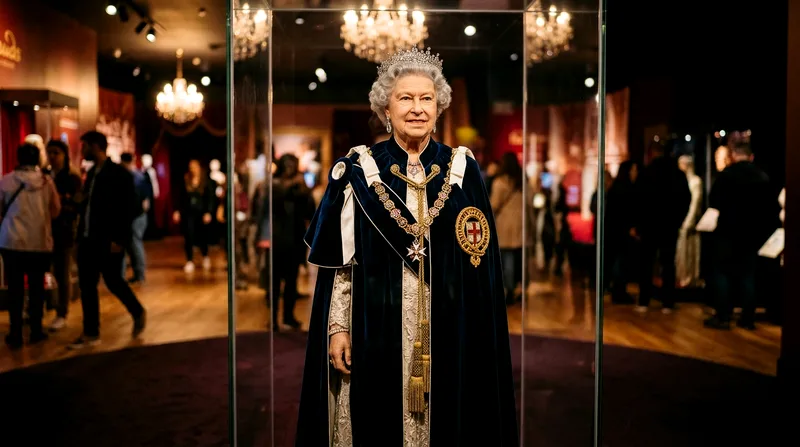
Compare Madame Tussauds London tickets: standard, timed, fast-track and combo options, what's included, where to book officially and who should buy which.
8 min read · 21 Oct 2026

Science Museum London tickets explained: how free entry works, which paid extras like Wonderlab and IMAX suit each age group, and when to visit with kids.
9 min read · 21 Oct 2026

Tate Modern vs Tate Britain compared: collections, paid exhibitions, atmosphere and crowds, plus how the Tate Boat links both galleries in a day.
9 min read · 21 Oct 2026
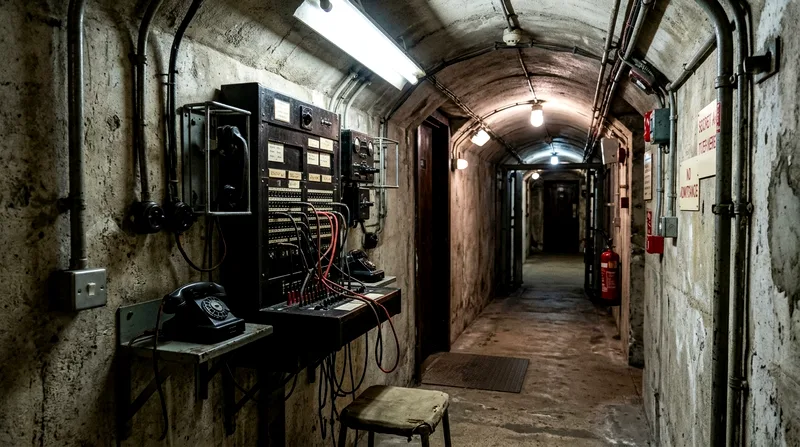
Plan your Churchill War Rooms tickets: compare ticket options, book officially, skip the long queues and decide if a guided WWII tour is worth it.
9 min read · 21 Oct 2026
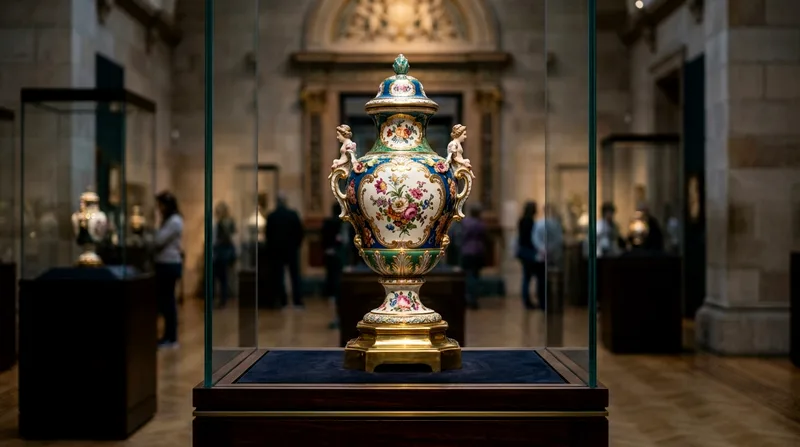
Plan your visit to the V and A Museum London: which exhibitions sell out, how to book tickets, and the best free galleries in South Kensington.
10 min read · 21 Oct 2026
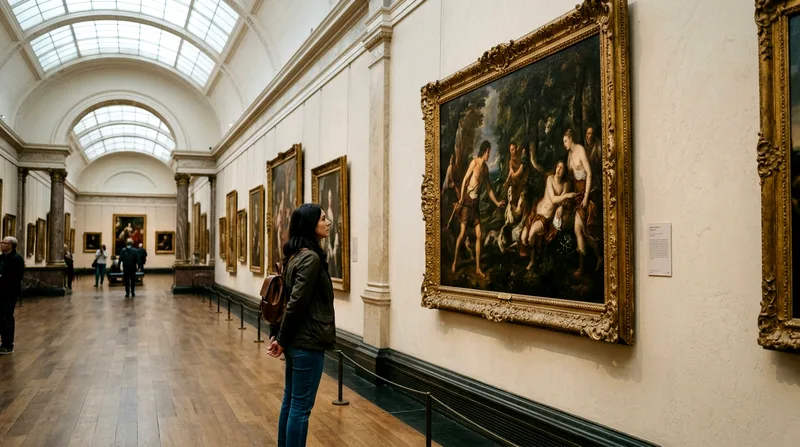
Compare National Gallery London tour options led by art historians. See which guided visit suits you, what to check before booking, and when to reserve.
8 min read · 21 Oct 2026
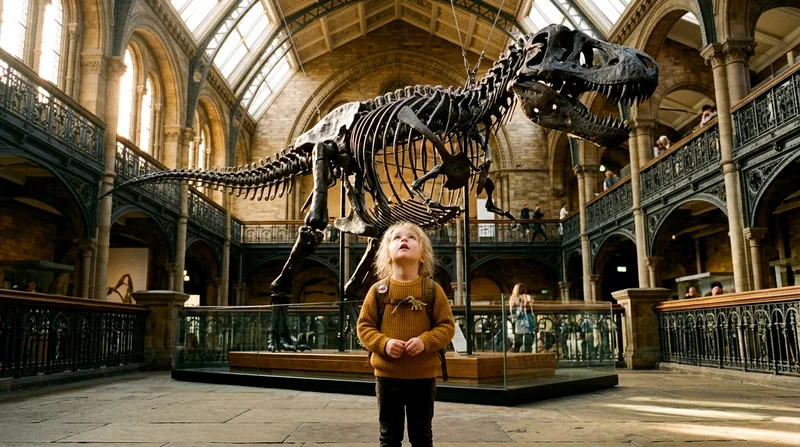
Plan your Natural History Museum London visit: how timed-entry booking works, which exhibitions are paid, and the best dinosaur route for families.
10 min read · 21 Oct 2026
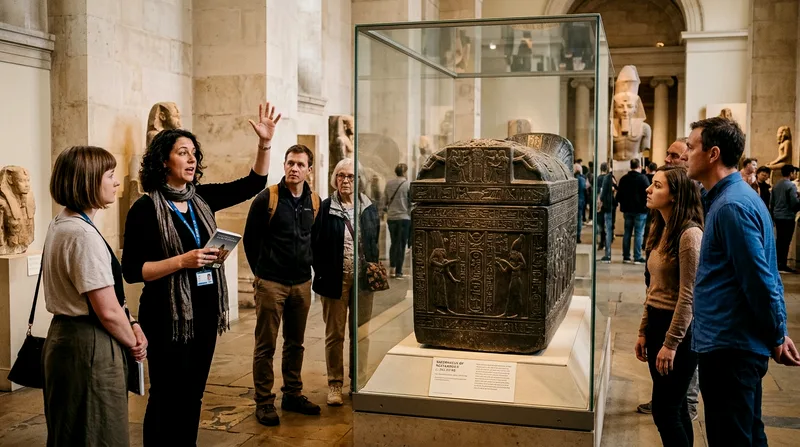
Compare British Museum guided tours: highlights tours, early-access visits and private guides. Find which suits your time, budget and group, and how to book.
10 min read · 21 Oct 2026
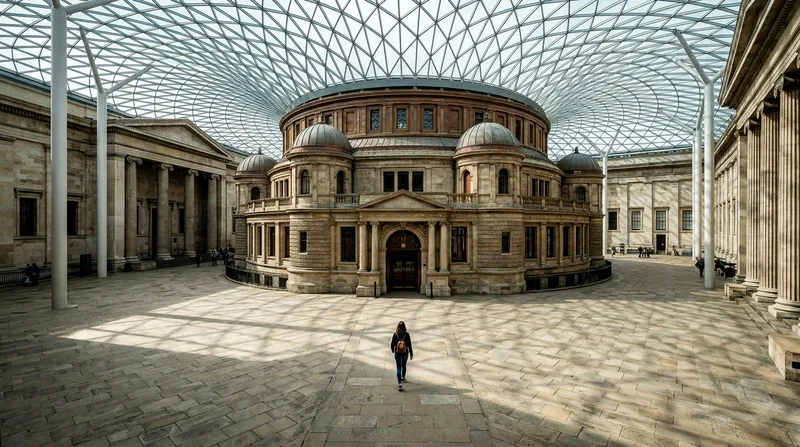
A clear guide to museums and galleries in London free to enter, from the British Museum to Tate Modern, plus which exhibitions still need a ticket.
11 min read · 21 Oct 2026