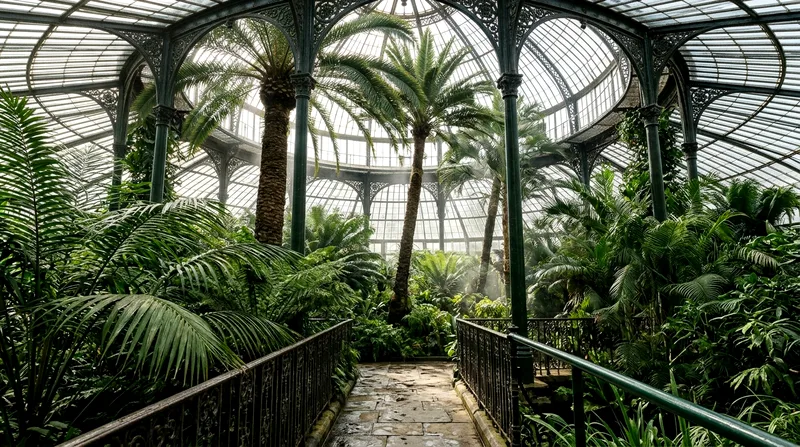
Kew Gardens Tickets: Prices, Glasshouses and Seasonal Events
Plan your visit with our Kew Gardens tickets guide: how to book, ways to save, glasshouses, the best seasons for blooms and other London gardens to combine.
10 min read · 21 Oct 2026
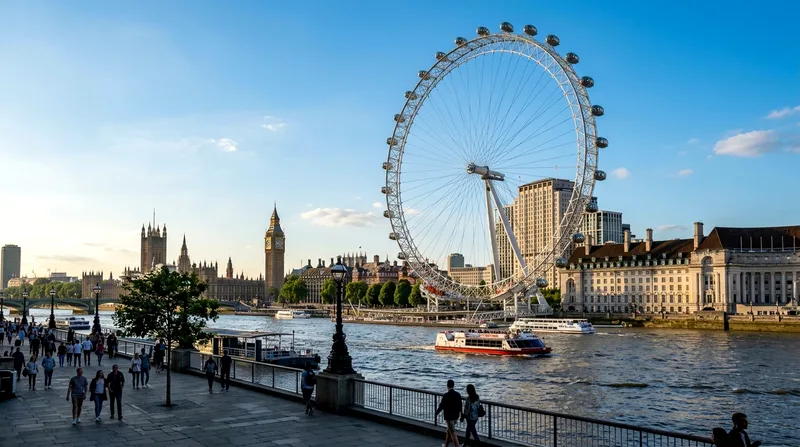
London Landmarks
Plan your London sightseeing with this guide to famous London landmarks: which need advance tickets, how long each takes and the best way to visit.
London has more landmarks per square mile than almost any European capital, which is exactly the problem. You can't do Buckingham Palace, the Tower of London, Westminster Abbey, St. Paul's Cathedral and the British Museum in one day — not properly, anyway — so the real planning task isn't finding famous London landmarks, it's deciding which ones earn a ticket and a timed slot versus which ones you simply walk past and photograph.
My working rule: anything you can see well from the outside for free (Tower Bridge, Big Ben, the London Eye's silhouette) gets a walk-by. Anything where the interior is the point — the Crown Jewels inside the Tower of London, the tombs inside Westminster Abbey, the dome climb at St. Paul's — gets pre-booked, because same-day queues at these sites regularly run 45 minutes to over an hour in peak season (roughly June through August, plus school holidays around Easter and Christmas).
Compare this to Paris, where the Louvre and Eiffel Tower both demand advance timed tickets just to get past the door. London is slightly more forgiving — several of its biggest draws, including Trafalgar Square, Buckingham Palace's exterior, and the South Bank, cost nothing and need no ticket at all. That's not true in Rome, where even approaching the Colosseum without a pre-booked slot can mean standing in a line that doesn't move for an hour.
The Tower of London and Westminster Abbey need advance tickets and several hours, while Tower Bridge and Big Ben can be seen for free in minutes.
London landmarks compared: visit duration and advance-booking need
| Landmark | Typical visit time | Advance ticket needed | Best for |
|---|---|---|---|
| Tower of London | 2-3 hours | Yes, strongly recommended | History, Crown Jewels |
| Westminster Abbey | 1.5-2 hours | Yes | Royal history, architecture |
| St. Paul's Cathedral | 1.5-2 hours | Recommended | Dome views, architecture |
| British Museum | 2-4 hours | No, but free timed entry helps | Global history, families |
| Natural History Museum | 2-3 hours | No, free timed entry helps | Families, dinosaurs |
| London Eye | 30-45 minutes | Yes, to avoid queues | Skyline views, first-timers |
| Tower Bridge (exterior) | 15-20 minutes | No | Photos, free sightseeing |
| Buckingham Palace (exterior/Changing of the Guard) | 30-60 minutes | No | Free royal sightseeing |
Typical figures based on published visitor guidance; actual queue times vary by season, so check current schedules before you travel.
If this is your first visit and you have three to four days, prioritize the Tower of London, Westminster Abbey, St. Paul's Cathedral, and a walk along the South Bank taking in Big Ben, the London Eye and Tower Bridge. Add the British Museum if you care about antiquities, or the Natural History Museum if you're traveling with children. That's a realistic, non-exhausting list — trying to add Buckingham Palace's interior (only open for limited summer dates) or a second major museum on top usually means rushing everything and enjoying none of it.
Some landmarks reward a quick 20-minute stop; others deserve half a day. Knowing the difference before you build an itinerary saves you from the classic mistake of allocating equal time to the London Eye (30 minutes, once you're on it) and the British Museum (which rewards two hours minimum). The table below is a starting point — adjust for your own pace and interests.
London's royal landmarks split into two categories: the ones you can walk straight into and the ones that require real planning. Confusing the two is how people end up standing outside a palace they thought was open, holding a ticket they didn't need.
The Tower of London is the one landmark on this list I'd call non-negotiable for advance booking. It houses the Crown Jewels, the White Tower, and nearly a thousand years of fairly brutal history, and it draws enough visitors that walk-up tickets on a summer Saturday can mean a long wait just to buy entry, let alone get in. Book directly through the official Historic Royal Palaces website for a timed slot — allow two to three hours inside, more if you want to properly read the exhibits rather than just see the jewels. The Yeomen Warders (Beefeaters) run free guided tours included with admission and they're worth timing your visit around; check the schedule board near the entrance when you arrive.
Buckingham Palace is mostly a free experience — you watch the Changing of the Guard from outside the railings, no ticket required, though you'll want to arrive 30-45 minutes early for a decent sightline. The State Rooms only open to visitors for a limited window in summer, and those tickets do need advance booking through the Royal Collection Trust. Westminster Abbey is the opposite case: it's a working church with a paid entry for sightseers, advance tickets are strongly advised, and it's genuinely worth the £30-ish adult admission (check the current rate on the Abbey's site) for the poets' corner and the coronation chair alone. Note that the Abbey closes to tourists on Sundays for services — plan around that rather than being caught out.
The River Thames is the organizing spine of London sightseeing — nearly every landmark worth seeing sits within a 20-minute walk of its banks, from Big Ben at Westminster down to Tower Bridge near the Tower of London. This is the one area where I'd genuinely recommend a boat, not as a novelty but as practical transport: a river cruise or a Thames Clippers ticket gets you between Westminster, the South Bank, and the Tower in under 30 minutes, often faster than the Underground once you account for walking and transfers.
Big Ben (technically the Elizabeth Tower) is best seen from Westminster Bridge or Parliament Square — there's no public interior access for casual visitors, so don't waste time looking for tickets. The London Eye is the opposite: it's a paid, timed-entry attraction, and booking ahead online is worth it both for a lower price than walk-up and for skipping a queue that can run 30-45 minutes in peak season. Tower Bridge has a paid exhibition (the glass floor walkway and engine rooms) if you want the interior experience, but simply walking across it is free and, frankly, just as memorable for most visitors.
For the classic Big Ben and Parliament shot, stand on the south side of Westminster Bridge in the early morning before tour groups arrive. For Tower Bridge, the best angle is from the north bank near the Tower of London looking east, or from Shad Garden on the south side for a lower, wider frame. Golden hour (roughly an hour before sunset) works well for both — the stone catches warm light and the crowds thin slightly as dinner hour approaches. Skip the London Eye for photography of itself; it photographs better from a distance than it does from inside.
London's major museums are, by European standards, remarkably good value — permanent collections at the British Museum and Natural History Museum are free, a stark contrast to the Louvre or Amsterdam's Rijksmuseum, both of which charge significant admission. That said, "free" doesn't mean "no planning needed."
The British Museum holds the Rosetta Stone and the Parthenon (Elgin) Marbles among roughly eight million objects, and free general admission means no ticket required for entry, though booking a free timed slot online is sensible on weekends and during school holidays to avoid a bottleneck at the door. Budget two hours minimum, four if you want to see the Egyptian and Greek galleries properly — most visitors try to do it in 45 minutes and leave frustrated. The Natural History Museum, similarly free, is built for families: the dinosaur gallery and the blue whale skeleton in the main hall are the anchors, and it gets genuinely crowded during half-term weeks, so arrive at opening (usually 10am) if you're visiting then.
St. Paul's is a paid attraction, unlike the museums above, and the ticket includes access to the crypt, the Whispering Gallery partway up the dome, and — if you're fit for 528 steps — the Golden Gallery at the very top with a genuinely wide view over the city. Buy tickets online in advance; it's usually cheaper than paying at the door and you'll skip the entry queue. Note that photography isn't permitted inside, which disappoints some visitors expecting a cathedral version of the Pantheon in Rome — the rule is enforced, so don't plan your visit around getting the shot.
The independent-versus-guided-tour question comes up for almost every major landmark in London, and the honest answer is: it depends on the site, not on your general travel style.
For the Tower of London, the free Yeomen Warder tours included with admission are genuinely excellent and cover most of what a paid guide would tell you — I wouldn't pay extra for a separate guided tour there. For Westminster Abbey, a guided tour or the audio guide (included in the ticket price) adds real value, because the building's layering of history isn't obvious without context — you'll walk past Isaac Newton's grave without realizing it otherwise. For the British Museum, a focused 90-minute guided tour of the highlights is worth considering if you have limited time, since self-navigating eight million objects without a plan wastes hours. Skip paid guided tours for Tower Bridge and Big Ben entirely — there's nothing a guide tells you that a short placard or a five-minute read beforehand doesn't cover.
Arrive at ticketed landmarks right at opening or in the final two hours before closing — both windows are measurably quieter than midday. Tuesday through Thursday tends to be calmer than weekends across the board. If you're traveling with a wheelchair or pushchair, the Tower of London's cobbled grounds and the Abbey's uneven floors are the two trickiest sites; both offer accessibility information and step-free routes on their official websites, worth checking before you book. For senior travelers, St. Paul's dome climb (528 steps, no lift) is worth skipping in favor of the crypt and Whispering Gallery level, which covers the most interesting parts without the stair count.
Not every London landmark worth your time charges admission, and some of the best free ones get overlooked because they sit in the shadow of their ticketed neighbors.
Beyond the British Museum and Natural History Museum, the Tate Modern and National Gallery both offer free general admission, which puts London ahead of Paris and Rome on museum affordability even if it trails on the single biggest ticketed icons. Trafalgar Square, the South Bank promenade, Borough Market (browsing is free, though you'll likely spend on food), and the view from the Millennium Bridge all cost nothing. If you want a Thames panorama without paying for the London Eye, the Sky Garden at 20 Fenchurch Street offers free entry with advance online booking — it's one of the better-kept secrets among London landmarks tickets, because most visitors don't realize it's free at all.
If the Tower of London's queues put you off, the Churchill War Rooms near Westminster offer a similarly immersive history experience with far shorter lines — book ahead regardless, but the crowd pressure is noticeably lower. If St. Paul's dome climb feels like too much, Southwark Cathedral on the south bank is free, far less visited, and has its own 1,000-year history. Compared to how Edinburgh concentrates its landmarks along the Royal Mile, or how Dublin clusters its sights within easy walking distance of Temple Bar, London's spread-out geography means these quieter alternatives are rarely more than a 15-minute walk from the famous version.
The Tower of London, Westminster Abbey, Buckingham Palace, St. Paul's Cathedral, Big Ben, Tower Bridge, the London Eye, and the British Museum cover the essential list. Most visitors can realistically see five or six of these well in a three-to-four day trip without rushing.
Prioritize the Tower of London for history and the Crown Jewels, Westminster Abbey for royal and literary history, and a riverside walk taking in Big Ben, the London Eye and Tower Bridge together, since they're all within a 25-minute walk of each other along the Thames.
The Tower of London, Westminster Abbey, St. Paul's Cathedral and the London Eye all benefit from advance booking — the Tower and Abbey especially, since same-day queues in peak season regularly exceed 45 minutes. Buckingham Palace's exterior and Tower Bridge's walkway need no ticket at all.
Budget 2-3 hours for the Tower of London, 1.5-2 hours for Westminster Abbey or St. Paul's, 2-4 hours for the British Museum, and 30-45 minutes for the London Eye. Free landmarks like Tower Bridge's exterior or Big Ben take 15-20 minutes to see and photograph properly.
The British Museum, Natural History Museum, National Gallery and Tate Modern all offer free general admission. Buckingham Palace's exterior, the Changing of the Guard, Tower Bridge's exterior, and the Sky Garden at 20 Fenchurch Street (free with advance booking) round out the best no-cost options.
Plan your visit with our Kew Gardens tickets guide: how to book, ways to save, glasshouses, the best seasons for blooms and other London gardens to combine.
10 min read · 21 Oct 2026
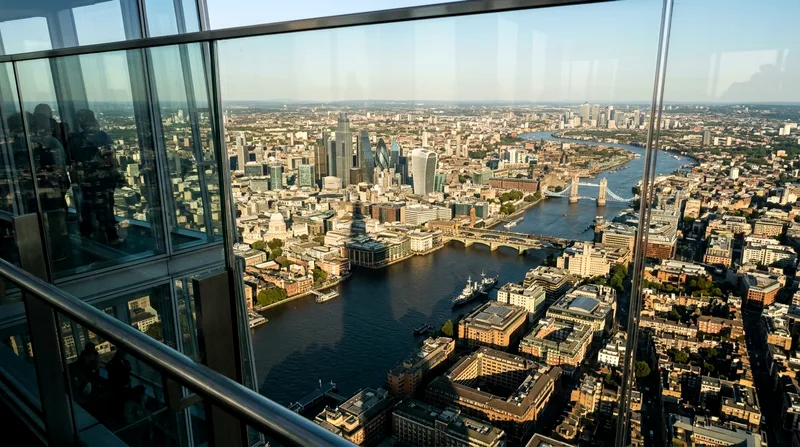
Planning to buy The View from The Shard tickets? Compare ticket types, find the cheapest times, and see how sunset slots and the weather guarantee work.
10 min read · 21 Oct 2026
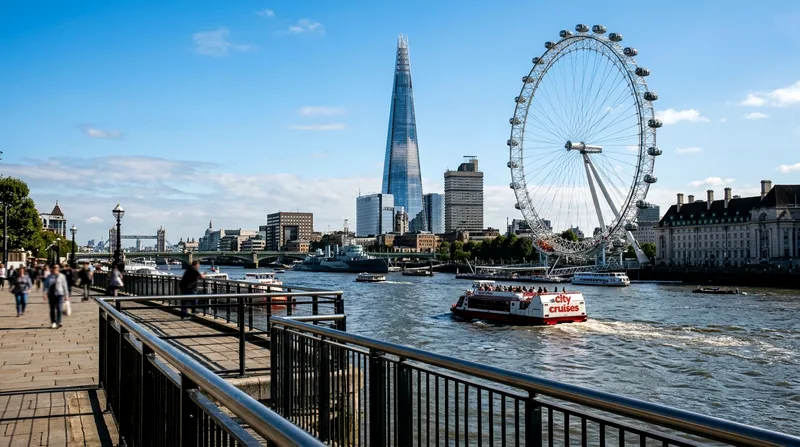
London Eye vs The Shard compared on height, views, cost level, queues and photo spots, plus free alternatives, so you can pick the best London viewpoint.
10 min read · 21 Oct 2026
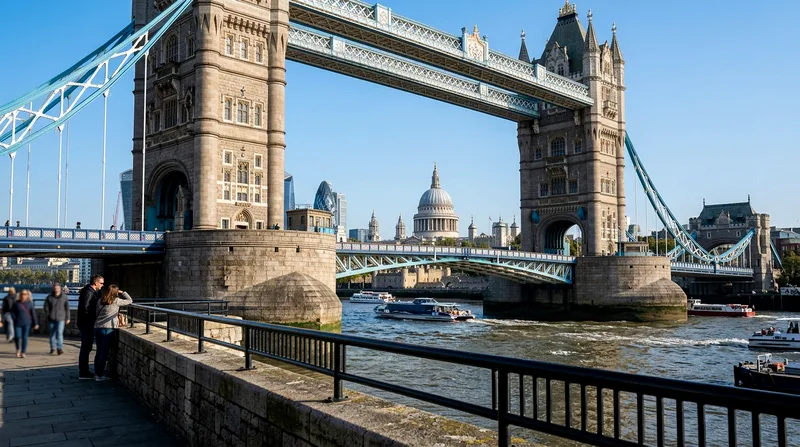
Compare London tourist attractions on cost, time and wow factor. See which paid sights earn their ticket price, which are overrated, and what to book instead.
10 min read · 21 Oct 2026
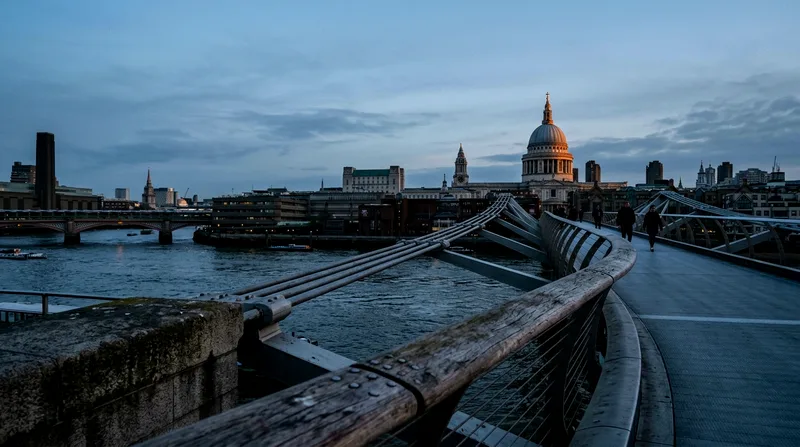
Planning St Paul's Cathedral tickets? Compare entry options, the dome climb, Whispering Gallery and Golden Gallery, and how to book before you go.
9 min read · 21 Oct 2026
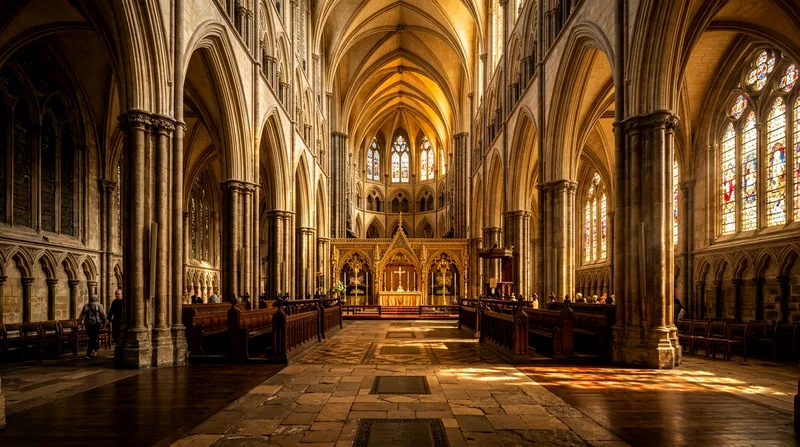
Plan your visit with our Westminster Abbey tickets guide: ticket types, verger-led tours, opening times and service closure days so you avoid a wasted trip.
9 min read · 21 Oct 2026
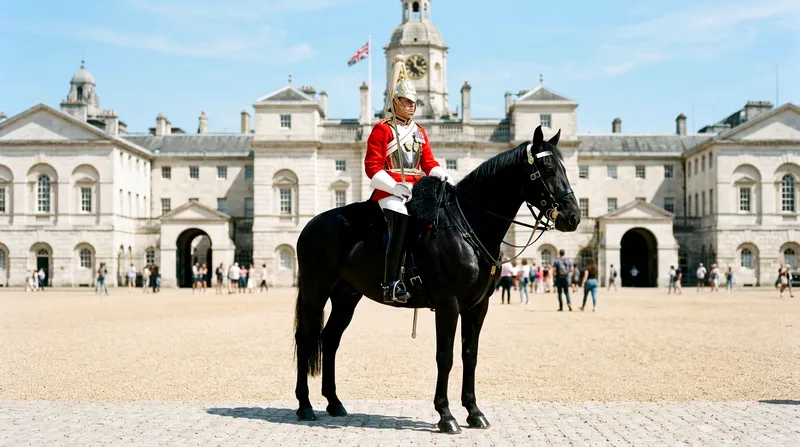
Compare changing of the guard tour options with watching alone. See which suits you, what to check before booking, and when to arrive.
8 min read · 21 Oct 2026
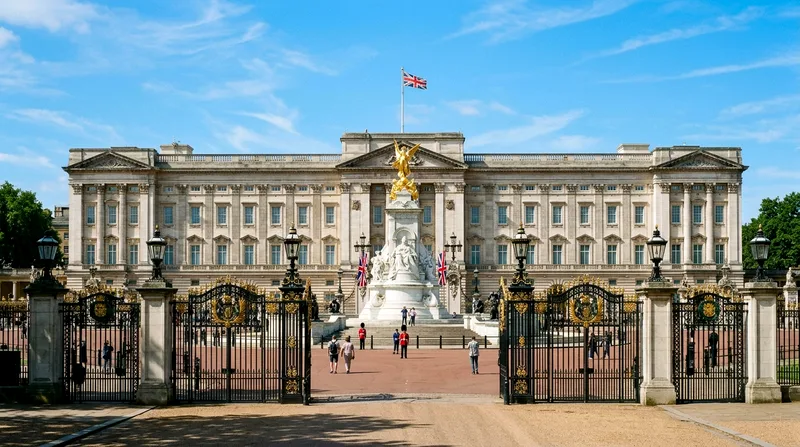
Buckingham Palace tickets explained: State Rooms entry, Royal Mews, audio guides, guided tours, best times to visit and how to book ahead.
9 min read · 21 Oct 2026
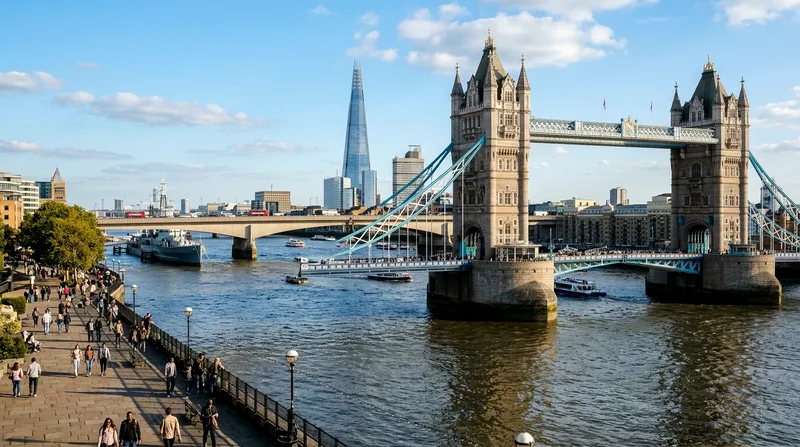
London Bridge vs Tower Bridge: compare views, time, cost level and crowds, see what's bookable at each, and decide which to visit first.
9 min read · 21 Oct 2026
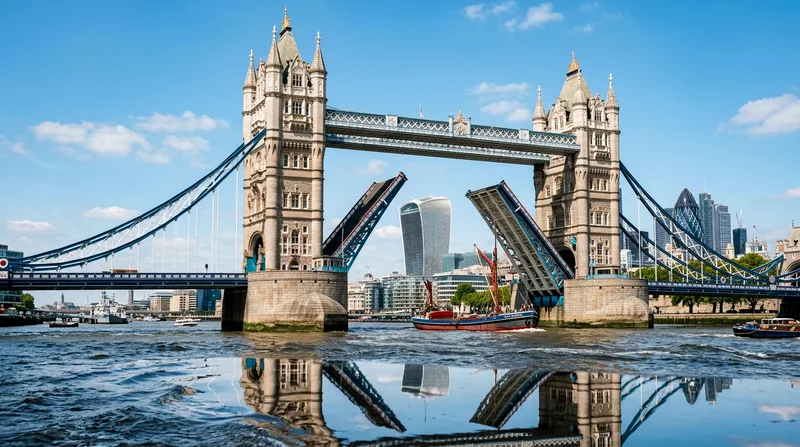
Plan your Tower Bridge Exhibition visit: what tickets include, glass floor and engine rooms, combo options with the Tower of London and bridge lift timing.
8 min read · 21 Oct 2026
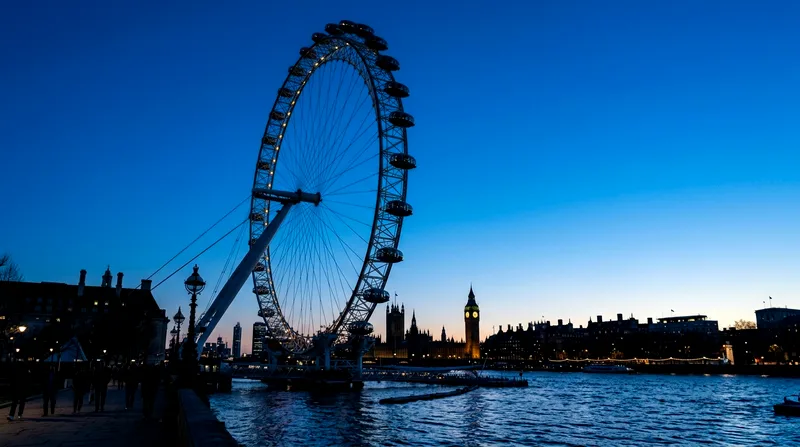
Plan your London Eye visit: compare standard, flexi and fast-track tickets, find the best times for views and shorter queues, and see what's close by.
10 min read · 21 Oct 2026
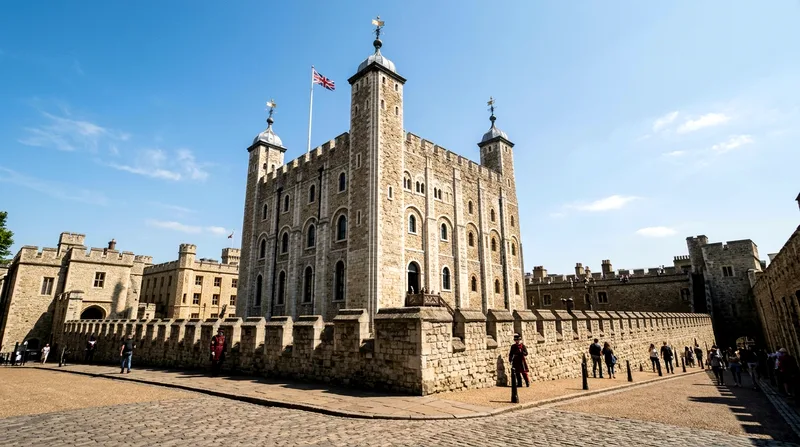
Plan your Tower of London tickets: how to book, reach the Crown Jewels before the queues, and decide if a Beefeater or early-access tour is worth it.
10 min read · 21 Oct 2026