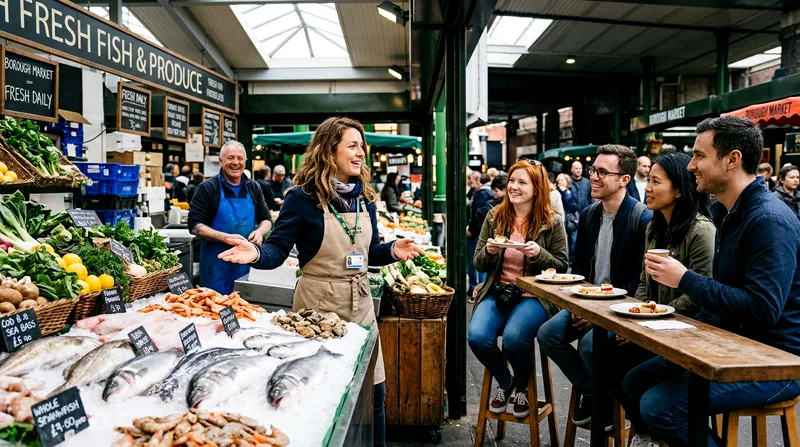
London Food Tour Price Guide: What You Get, How to Save
A clear look at london food tour price ranges, what's included at each tier, and how to judge value against eating on your own in London.
8 min read · 21 Oct 2026
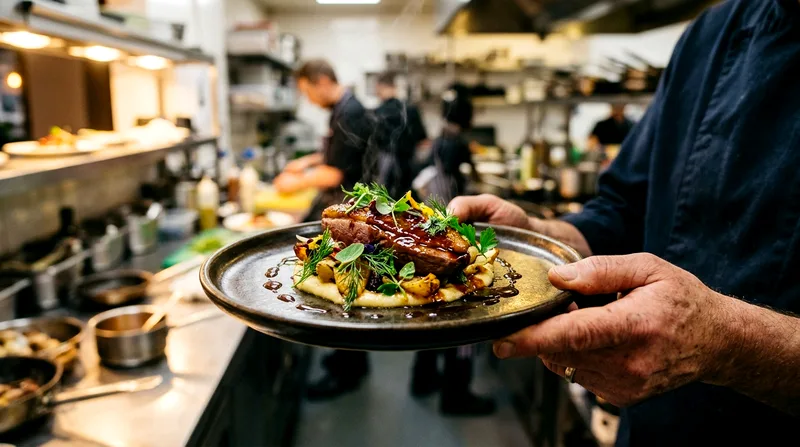
Tours & activities
Compare London food and drink experiences, from market and street food tours to gin tastings and cooking classes, and learn how to book wisely.
London's food scene pulls from everywhere — Bangladeshi curry houses in Brick Lane, Turkish grills in Dalston, French pâtisserie in Marylebone — and that range is exactly why picking the right format matters more than picking the right company. A three-hour guided walk through Borough Market tells you almost nothing a two-hour cocktail masterclass would, and neither resembles a seated afternoon tea. Before you scroll listings on GetYourGuide or TripAdvisor, decide what kind of experience you actually want: moving and grazing, seated and taught, or seated and served.
My honest view: London's best food experiences are the ones with genuine instruction or access you couldn't easily get alone — a cooking class with a chef who explains technique, a cheese stall tasting with someone who actually knows the maker, a cocktail flight at a venue like London Secret Wine Bar where the setting is part of the product. Skip generic "highlights tour plus photo stop" packages; they tend to rush the eating part, which defeats the purpose.
If this is your first trip to London, a market or neighbourhood food tour earns its cost by giving you orientation as well as food — you'll leave knowing where to come back for dinner on your own. Expect two to three hours, six to ten stops, and a guide who explains the history behind Borough Market's Victorian ironwork or why Brick Lane's curry houses cluster the way they do. Serious food lovers who already know London reasonably well get more from a single-focus booking: a cheese and wine tasting, a dedicated cooking class, or a tasting menu at a one-Michelin-star restaurant rather than a broad tour.
Couples tend to do well with evening formats — a Thames dinner cruise, a wine bar tasting flight, or a paired cooking class — because they're built around two people sharing plates and conversation, not queuing with eight strangers. Families with children under about ten should lean toward market visits with flexible pacing rather than fixed-seating classes; kids get restless during a 90-minute knife skills demo. Groups of four or more get the best value from private cooking classes or private tastings, since many operators price per person but cap group size, so a private booking for six can cost roughly the same per head as a shared slot while guaranteeing everyone gets a hands-on turn.
London's bookable food scene splits into a handful of genuinely distinct categories, and conflating them is the most common booking mistake. A street food tour and a sit-down cooking class solve different problems — one is about breadth and context, the other about depth and skill.
These are the backbone of London food tourism, typically two to three and a half hours, walking-based, with six to twelve tasting stops included in the price. Borough Market tours are the most heavily booked because the market itself concentrates dozens of specialist stalls — cheesemongers, charcuterie, Levantine bakeries — into one covered space near London Bridge. Neighbourhood tours in Brick Lane, Shoreditch or Brixton Market trade that concentration for more cultural range, covering Bangladeshi, Caribbean, Turkish and Vietnamese food in a single walk. The trade-off: you're on your feet the whole time, portions are small-plate "tasting" size rather than a full meal, and weather affects comfort since most of the route is outdoors. Avoid tours that promise 15+ stops in two hours — that's rushed eating, not a tasting tour.
Wine, cheese, gin and cocktail tastings usually run 60 to 90 minutes, seated, with a host guiding you through four to six samples and some instruction on tasting technique — gin tastings at working distilleries are popular partly because they include a short production tour. Cooking classes run longer, typically two to four hours, and the better ones cap groups at eight to twelve people so everyone gets hands-on time with a chef; expect to cook and eat what you make, which suits people who want a takeaway skill rather than just a meal. Afternoon tea is its own category entirely: a seated two-hour service of sandwiches, scones and pastries, often with a view or a theme (literary, botanical, even Alice in Wonderland riffs), and venues like Bluebird Chelsea do a solid standard version without the premium markup of a five-star hotel. Immersive dining — theatrical, multi-sensory meals built around a narrative — sits at the high end and books out fastest, so treat it like theatre tickets, not a casual dinner reservation.
Once you know roughly which category you want, the next decision is format: private or group, and budget or splurge. These two choices affect price more than the activity itself does.
Market tours suit first-time orientation, while cooking classes and tasting menus reward people who want depth over breadth.
London food and drink experiences compared by duration, format and budget tier
| Experience Type | Typical Duration | Group Format | Best For | Budget Tier |
|---|---|---|---|---|
| Market/food tour (e.g. Borough Market) | 2-3.5 hours | Group, some private | First-timers, food lovers | Mid |
| Street food/neighbourhood walk | 2-3 hours | Group, some private | Cultural variety seekers | Mid |
| Wine/cheese/gin tasting | 60-90 minutes | Small group or private | Couples, curious drinkers | Mid to splurge |
| Cooking class | 2-4 hours | Small group or private | Hands-on learners, groups | Mid to splurge |
| Afternoon tea | 1.5-2 hours | Seated, shared tables or private | Families, senior travelers, couples | Mid to splurge |
| Thames dinner cruise | 2-3 hours | Group, seated | Special occasions, couples | Splurge |
| Immersive dining experience | 2-3 hours | Seated, fixed groups | Novelty seekers, couples | Splurge |
| Michelin-starred tasting menu | 2-3.5 hours | Seated, private table | Serious food lovers, celebrations | Splurge |
Durations and tiers are typical ranges; always confirm current pricing, inclusions and seating format when booking.
Group tastings and tours are cheaper per person and fine for solo travelers or couples who don't mind sharing attention with eight to fifteen other guests — most market tours and gin tastings run this way by default. Private bookings cost noticeably more in total but give you a flexible schedule, a guide who adapts to your pace, and — critically for families or anyone with dietary restrictions — a menu that can actually be adjusted. If you're traveling with someone who has a serious allergy, pay the premium for private; group tour operators often can't modify a fixed tasting route.
Budget-tier experiences — a self-guided wander through Borough Market with a coffee and a pastry, or a shared pub tasting flight — cost little beyond what you eat and drink. Mid-tier group tours and standard cooking classes sit in the middle. Splurge tier covers private chef-led classes, Thames dinner cruises with multi-course service, immersive dining concepts, and tasting menus at Michelin-starred restaurants, which are restaurant bookings rather than tours but belong in the same decision-making bucket since they compete for the same evening and budget. Gift experience retailers such as Virgin Experience Days, WonderDays and The Gift Experience package many of these as vouchers, which is useful if you're buying for someone else, but always check the voucher's expiry and blackout dates before purchasing.
Listings on GetYourGuide and TripAdvisor make everything look similarly polished, so the real differences show up in the fine print, not the photos. Read the inclusions line by line before comparing prices.
Check exactly what's included — some "tastings" mean six generous samples, others mean six thimble-sized pours with an upsell to buy more at the end. Group size matters more than most people realize: a 20-person Borough Market tour moves in a crowd that struggles to hear the guide near the market's busiest lanes, while a capped group of eight moves easily. Look at the cancellation policy specifically — many London food experiences require 24 to 48 hours' notice for a full refund, and weather-exposed walking tours rarely offer rain cancellations, just rescheduling. Visit London and Visit Britain's official sites are useful for cross-checking whether a venue or market is genuinely as described before you commit to a paid tour of it.
Vegetarian and vegan options are now standard on most group tastings, but tell the operator at booking, not on arrival — last-minute substitutions are often just bread and hummus. Severe allergies need a direct message to the operator before paying; a group tour built around a fixed stall route often can't guarantee a nut-free or shellfish-free path. For accessibility, market tours involve a lot of standing and some uneven cobbled surfaces around Borough Market and Spitalfields, which can be hard going for senior travelers with mobility issues — ask specifically about seating breaks or consider a seated tasting or afternoon tea instead.
Timing affects both availability and the quality of the experience itself — a market tour at opening time feels completely different from the same route at 2pm on a Saturday.
Borough Market and most street food markets are busiest Thursday through Saturday, so a weekday morning tour (starting around 10am) gets you shorter stall queues and a more relaxed guide. Summer months bring better outdoor seating for cruises and rooftop tastings, but also bigger crowds and higher demand for evening slots. December is the exception across categories — afternoon tea and immersive dining both spike around the festive season, with many venues running themed menus that sell out weeks ahead. If you want a quieter version of a popular tour, January through March is consistently the slowest stretch, with shorter queues and sometimes slightly better availability on short notice.
For a standard group market tour or gin tasting, booking three to seven days ahead is usually enough outside peak season. Afternoon tea at a well-known venue, Thames dinner cruises for anniversaries, and any Michelin-starred tasting menu need two to six weeks' lead time, more around Christmas and Valentine's Day when tables disappear fast. Immersive dining experiences and private cooking classes for groups of six or more should be booked three to four weeks out if you have a specific date in mind — these have limited slots per week by design, unlike a daily-departure walking tour.
There's no single "best" — it depends on what you want. For context and variety, a Borough Market or Brick Lane street food tour delivers the most per hour. For hands-on learning, a cooking class beats any tour. For a special occasion, a Thames dinner cruise or a Michelin-starred tasting menu covers that better than any tasting flight.
Aggregator sites like GetYourGuide and TripAdvisor list the widest range with user reviews you can cross-check. Visit London's official site is useful for verifying markets and venues independently. Gift experience retailers such as Virgin Experience Days, WonderDays and The Gift Experience sell voucher-based versions, handy for gifting but worth checking for expiry terms first.
Rather than chasing secret spots, look past the obvious headline venues within well-known areas — smaller stalls tucked into the back lanes of Borough Market, or the Vietnamese and Turkish spots a few streets off Brick Lane's main strip, tend to be quieter and often better value than the queue-heavy frontrunners.
Standard afternoon tea (sandwiches, scones, pastries, tea service) runs about two hours and is offered widely, from casual spots like Bluebird Chelsea to five-star hotels at a significant premium. Themed versions — literary, botanical, character-based — book out fastest, so reserve two to four weeks ahead for anything with a specific theme or view.
Immersive dining concepts rotate more than traditional restaurants, often running as limited seasons rather than permanent fixtures, so check GetYourGuide, TripAdvisor and London-specific listings close to your travel dates rather than relying on older recommendations. Book as early as you would theatre tickets — these sell out weeks in advance.
A clear look at london food tour price ranges, what's included at each tier, and how to judge value against eating on your own in London.
8 min read · 21 Oct 2026
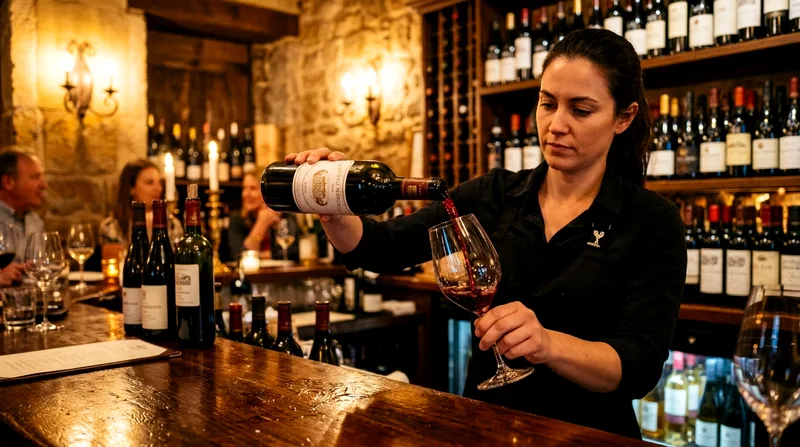
Compare London wine tasting experiences, from historic cellars and urban wineries to sommelier-led classes, plus what to check before booking.
8 min read · 21 Oct 2026
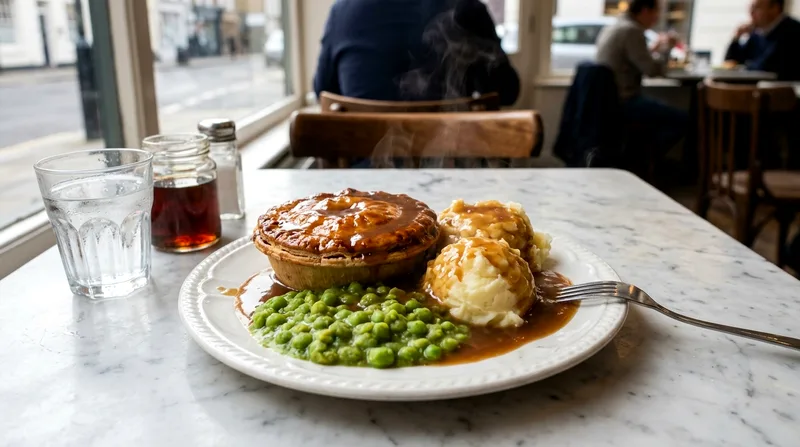
Discover local food in London, from pie and mash to Sunday roast and fish and chips. Learn the history, where to eat by area, and how food tours fit in.
11 min read · 21 Oct 2026
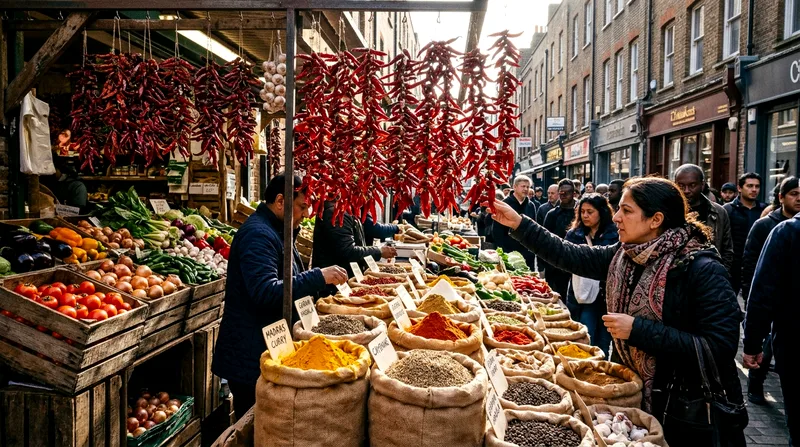
Comparing an east end food tour with a Borough Market tour: food variety, neighbourhood character, value and who each suits, so you can choose.
10 min read · 21 Oct 2026
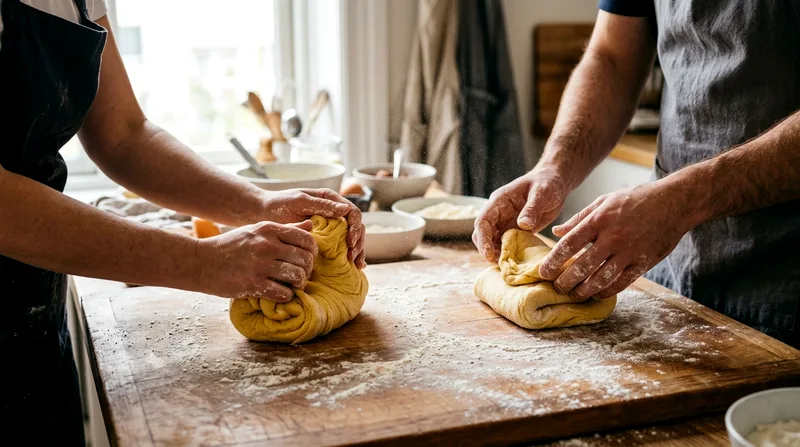
Compare London cooking class options, from British classics to pasta and Indian menus. Find the right class for couples, families and solo travellers.
10 min read · 21 Oct 2026
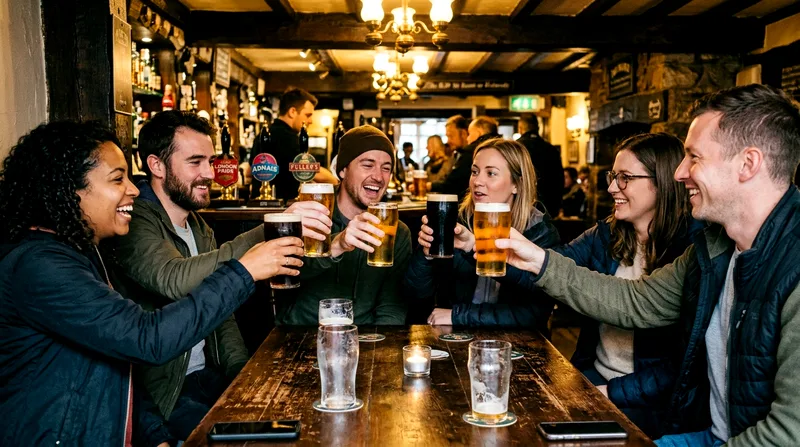
Compare London pub crawl tours, from history-led historic pub walks to lively party crawls. Learn who each suits, what to check and when to book.
7 min read · 21 Oct 2026
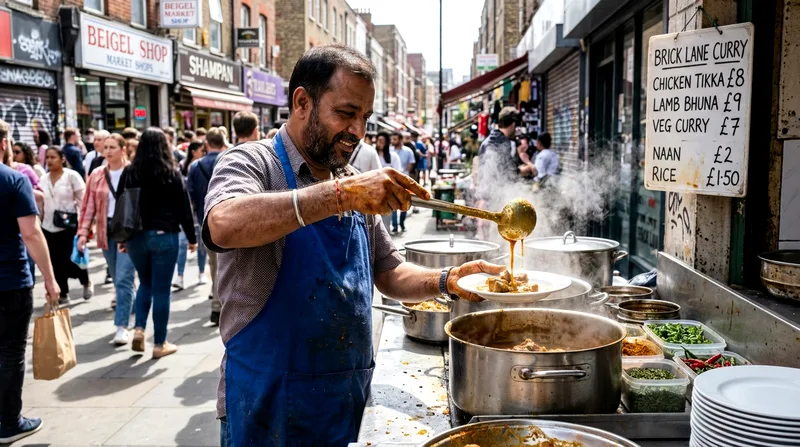
Compare Brick Lane food tours: curry, bagels and street food. See which tour style suits you, what to check before booking and how to dodge tourist traps.
9 min read · 21 Oct 2026
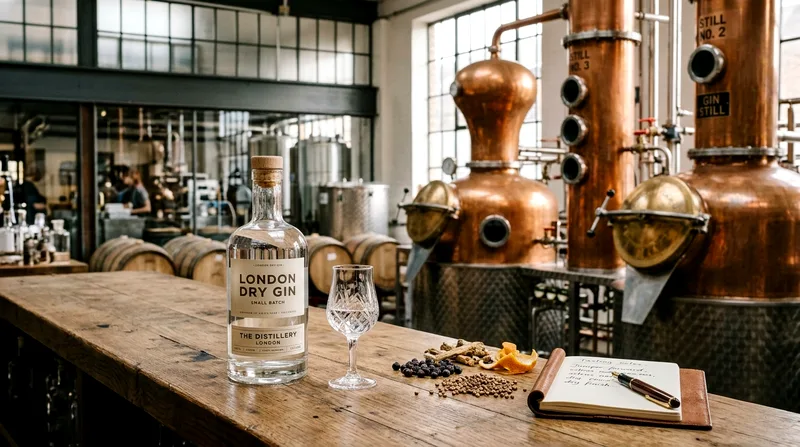
Compare London gin distillery tours and gin-making workshops by tasting quantity, hands-on elements and value, plus booking tips for gin tasting in London.
9 min read · 21 Oct 2026
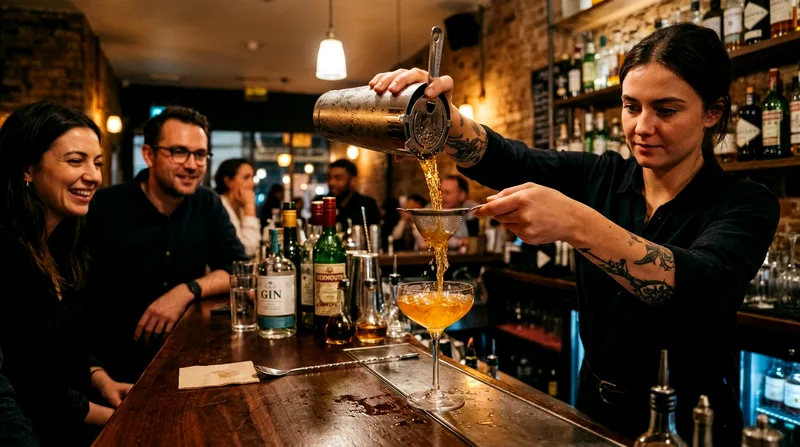
Compare the best drinking activities in London, from cocktail masterclasses and whisky tastings to bar tours. See who each suits before you book.
9 min read · 21 Oct 2026
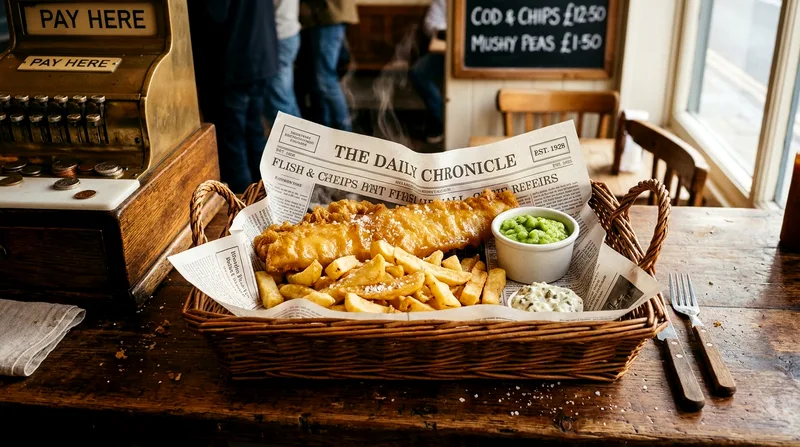
Find the best fish and chips in London near major sights. Our guide maps classic chippies by area, with tips on ordering, takeaway or dine-in, and sourcing.
10 min read · 21 Oct 2026
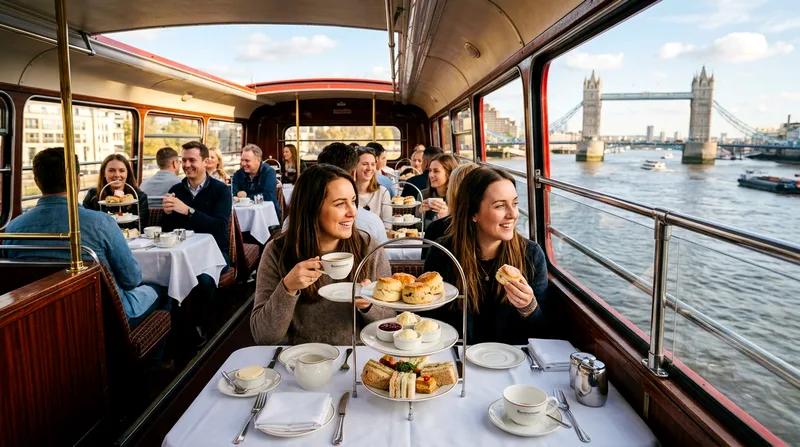
Compare afternoon tea bus tours in London: vintage Routemaster routes, food, comfort and who each suits, plus booking tips to sightsee with scones.
10 min read · 21 Oct 2026
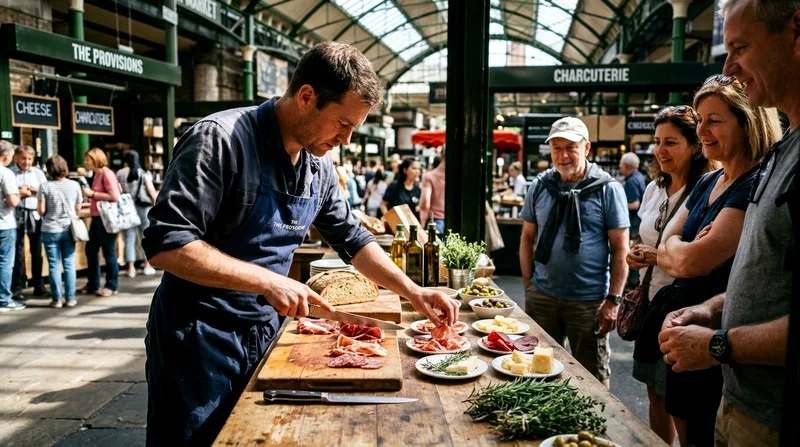
Compare Borough Market food tour types by stops, portions and group size, and work out which tasting tour suits your appetite and budget.
9 min read · 21 Oct 2026