Compare London pub crawl tours, from history-led historic pub walks to lively party crawls. Learn who each suits, what to check and when to book.
Which London Pub Tour Suits You?
The first real decision isn't which company to book — it's whether you want a history lesson with a pint in hand, or a loud night out that happens to move between bars. London supports both extremely well, and conflating them is the single most common booking mistake. A London pub crawl tour billed as "historic" will involve a guide talking for several minutes outside each stop about Dickens, the Great Fire, or a 17th-century coaching inn. A party crawl skips most of that and gets you through the door faster, usually with a drink deal waiting.
Neither is better. They serve different nights. If you're travelling with parents or in-laws, or you're the sort of visitor who reads the blue plaques on buildings, a historic or literary route through Covent Garden or the City near Cannon Street will suit you far more than a Shoreditch bar crawl aimed at groups of 20-somethings. If you're a stag or hen party, or just want to meet other travellers over cheap shots, the party format delivers exactly that — don't force yourself into a slow history walk expecting it to turn lively, because it won't.
History and literature fans
If you want pubs with genuine age and documented stories — Samuel Johnson's local, a tavern that survived the Blitz, a cellar bar where Dylan Thomas reportedly drank — go for a historic or literary-themed walk. These typically run through Fleet Street, Holborn, and parts of the City, pausing at three to five pubs over roughly two to two and a half hours. Guides are usually local historians or enthusiastic volunteers rather than hospitality staff, and the pace is deliberately unhurried. You'll drink less per hour than on a party crawl, which is often the point.
Social groups and nightlife seekers
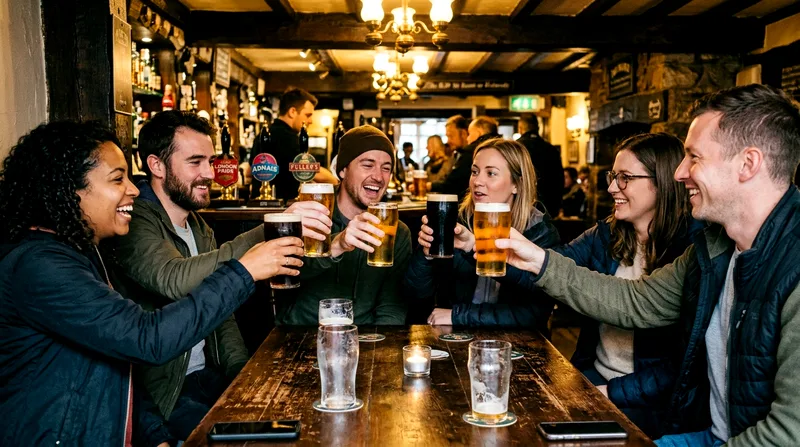
If the goal is meeting people, dancing, or simply drinking steadily with a group, choose a themed or party crawl in Soho, Camden Town, or Shoreditch. These move faster — often four to six venues in three to four hours — and typically include a welcome drink or shot at each stop, sometimes fast-track entry past queues at busier bars. Expect louder venues, bigger groups (sometimes 15-30 people split across guides), and a far more transactional relationship with "history." Nobody's reading plaques on this one.
Main Types of London Pub Crawl Tours
London's pub crawl market splits fairly cleanly into a handful of formats, and knowing the category matters more than knowing the brand, since most operators within a category offer a near-identical experience. Beyond historic and party crawls, you'll find literary-specific routes, craft beer and real ale crawls, and a growing number of private or small-group options aimed at corporate outings or birthday parties.
Historic and literary walks
Operators running things like Historic Pub Crawls or a London Literary Pub Crawl tend to focus on a tight geographic area — Covent Garden, Fleet Street, or Southwark near Borough Market — because walking distance between genuinely old pubs is short in these districts. Expect two to three hours, three to five stops, and a guide who talks for five to ten minutes per venue before you're free to order. Drinks are rarely included in the ticket price; you're paying for access, commentary, and route-planning, not the beer itself. This suits couples, solo travellers, and small families with older teenagers far better than it suits a bachelor party.
Party, themed and craft beer crawls
Party crawls in Soho or Shoreditch usually include at least one drink per venue, sometimes queue-skip access, and run three to four hours across four to six bars. Craft beer crawls — particularly strong along the Bermondsey Beer Mile, where a string of independent breweries open their taprooms on Saturdays — are a quieter, slower variant: smaller groups, a focus on tasting notes over nightlife, and often no formal "guide" beyond someone who knows which breweries are open and in what order to visit them, since many only trade a few hours a week. Private crawls, booked for a single group, exist across all these styles and let you set the route and pace, which costs more per head but avoids merging with strangers.
Historic vs Party Crawls Compared
Laid side by side, the practical differences between crawl types become obvious fast — and they're the things that should actually drive your booking, not the marketing copy.
Historic and literary crawls move slowly through a handful of old pubs, while party and themed crawls cover more venues faster and louder.
London pub crawl tour types compared by vibe, pace and group size
| Tour type | Vibe | Pace | Typical group size | Best for |
|---|---|---|---|---|
| Historic walk | Quiet, informative | 2-3 stops per hour (slow) | Small, 8-15 | Couples, solo travellers, history fans |
| Literary crawl | Storytelling-led | Similar to historic | Small, 8-15 | Book lovers, European travellers |
| Party crawl | Loud, high-energy | 4-6 bars in 3-4 hours | Large, 15-30+ | Stag/hen groups, younger travellers |
| Craft beer crawl | Relaxed, tasting-focused | 3-5 taprooms, flexible | Small, 4-10 | Beer enthusiasts, couples |
| Private group crawl | Customisable | Set by the group | Your group only | Birthdays, corporate groups, families with teens |
Group sizes and pacing vary by operator and night of the week; always check the listing before booking.
What to Check Before Booking
Booking a guided pub crawl London-wide sounds simple, but the details buried in the listing determine whether you enjoy the evening or end up standing outside a full bar for twenty minutes. Read past the headline description.
Inclusions, group size and age rules
Check exactly what's included — some tours bundle a welcome shot or first pint into the price, others charge for every drink separately and only provide the guide and route. Group size matters more than most people realise: a 30-person party crawl through Piccadilly Circus on a Friday night will struggle to keep everyone together, and some venues cap how many of a group they'll admit at once. Nearly all UK pubs require ID for anyone who looks under 25, and most guided crawls set a minimum age of 18, with some party-specific ones informally skewing toward a younger crowd. If you're travelling with teenagers, ask directly whether under-18s are permitted — many aren't, regardless of what the family-friendly label on a general London tour might suggest.
Cancellation and weather policies
Pub crawls run rain or shine since the drinking happens indoors, but outdoor walking between venues doesn't. Check the cancellation window — many operators allow free cancellation up to 24 or 48 hours ahead, which matters if your travel plans shift. Also check accessibility: plenty of London's oldest pubs have narrow stairs, low beams, or cellar bars with no lift, which can be a genuine problem for travellers with mobility restrictions. If that's a concern, ask the operator directly which specific pubs are on the route rather than assuming "historic" means step-free.
When to Book Your Pub Tour
Book further ahead than you'd think. Friday and Saturday night party crawls in Soho and Shoreditch fill up fast, especially during stag and hen season from spring through early autumn, and popular historic walks around Covent Garden can sell out their smaller group sizes a week or more in advance during summer tourist peaks.
Seasonal and weekday timing
Weeknight crawls — Tuesday to Thursday — are easier to book last-minute and often quieter, which actually suits historic and literary tours better since you'll hear the guide more clearly without competing with Friday night noise. December brings Christmas party season, when many Soho and City pubs are block-booked by offices, making casual drop-in crawls harder going and private bookings more sensible. If you want a specific neighbourhood like Camden Town or Borough on a Saturday, book at least a week out; for a Tuesday in Fleet Street, a couple of days' notice is usually fine. Always compare current pub crawl tours and prices before you book, since availability shifts weekly and the better-reviewed small-group options go first.
Frequently asked questions
Are there historic pub crawls in London?
Yes — several operators run historic pub crawl tours through areas like Covent Garden, Fleet Street, and the City near Cannon Street, visiting pubs dating back centuries. These typically last two to two and a half hours, cover three to five venues, and focus on storytelling rather than fast drinking, with a guide explaining each pub's history before you order.
How long does a typical London pub crawl tour last?
Most run between two and four hours. Historic and literary crawls tend toward the shorter end, around two to two and a half hours across three to five stops, while party crawls often run three to four hours and cover four to six venues. Craft beer crawls along routes like the Bermondsey Beer Mile are more flexible and depend on how long each taproom holds your group.
What is included in a guided pub crawl?
It varies by type. Historic and literary walks usually include only the guide and route — drinks are bought separately at each pub. Party crawls more often bundle a welcome shot or first drink, and sometimes queue-skip entry, into the ticket price. Always check the listing's inclusions section rather than assuming, since this differs operator to operator.
Can I do a self-guided pub crawl in London?
Yes, and it's a reasonable option if you already know the city or you're on a tight budget. Printed or app-based self-guided pub crawl maps exist for areas like Soho, Shoreditch, and the Bermondsey Beer Mile. You lose the historical commentary and group social element, but you gain full control over pace and route, and it costs nothing beyond your drinks.
What age do you need to be for a pub crawl?
UK law requires you to be 18 to buy alcohol, and almost all guided pub crawls set 18 as the minimum age, with ID checks common for anyone who looks under 25. Some party-focused crawls skew toward a younger adult crowd in practice, even without a formal upper age limit, so ask the operator if you want a specific sense of the group's typical age range.