Compare London cooking class options, from British classics to pasta and Indian menus. Find the right class for couples, families and solo travellers.
Which London Cooking Class Suits You?
A London cooking class can turn a rainy afternoon into the most memorable two hours of a trip — you leave with a recipe, a full stomach, and usually a better sense of a cuisine than any restaurant meal gives you. That's the pitch, and for the most part it holds up. The catch is that "cooking class" covers wildly different formats, from a chef demonstrating while you sip prosecco to a genuinely hands-on session where you're butchering a chicken or shaping gnocchi from scratch.
The right choice depends less on the cuisine and more on who you're travelling with and how much you actually want to do. A couple wants intimacy and maybe some wine pairing built in. A family needs a kitchen that's genuinely set up for children, not just tolerant of them. A solo traveller often gets the best deal and the best social experience from a group class, since you're paying a flat per-person rate and sitting down to eat with strangers who become dinner companions for the evening.
Before you book anything, decide on three things: group size tolerance, how hands-on you want to be, and whether you care about a specific cuisine or just want a good afternoon. Schools like Jamie Oliver Cookery School and Leiths School of Food & Wine run structured, multi-hour sessions aimed at real skill-building, while something booked through a platform like EatWith might be a smaller, more social affair in someone's home kitchen or a shared studio space.
Couples and date nights
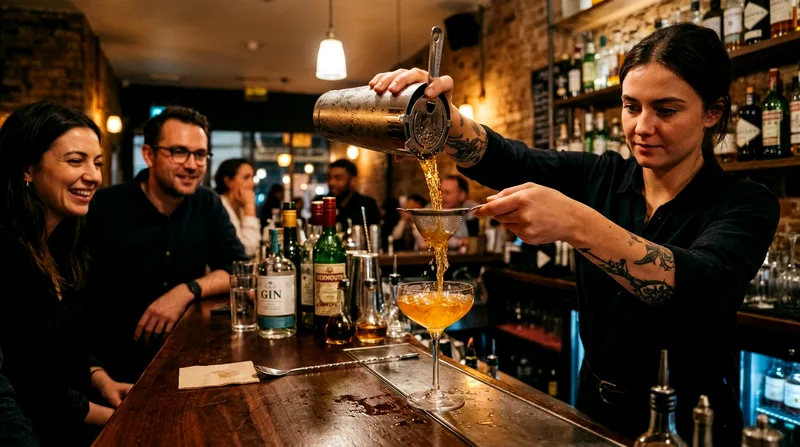
For couples, the sweet spot is usually a small group class — six to twelve people — rather than a fully private one, unless budget isn't a concern. Private classes for two can run several times the per-person cost of a shared session, since you're effectively covering the instructor's time and ingredients solo. A shared pasta-making or British classics class gives you the date-night atmosphere (often with a sit-down meal and wine at the end) without the private-class price tag.
Look specifically for evening slots described as "date night" or "couples" sessions — these tend to run shorter, around two to three hours, and lean into pairing food with wine rather than technical skill drilling. Avoid classes padded out to four-plus hours unless you genuinely want that much instruction; for a date, two and a half hours is usually the right length before the novelty wears off.
Families and solo travelers
Family cooking classes in London are real but limited — check the minimum age before booking, since many mainstream cookery schools set it at 7 or 8, and some adult-focused sessions (particularly anything involving live flame or knife work beyond basic chopping) exclude under-12s entirely. Places like Greenwich Pantry and some Borough Market-adjacent sessions run kid-friendly baking or pizza-making classes that are shorter, around 90 minutes to two hours, and far more forgiving on mess and pace.
Solo travellers should default to group classes. You'll pay the standard per-head rate, sit at a communal table, and in a city as international as London, you're likely to end up next to other visitors from across Europe or further afield. It's one of the few food experiences in London where eating alone isn't the default — you're cooking and eating with a dozen strangers who were strangers two hours earlier.
Main Cooking Class Types Compared
Strip away the cuisine and marketing, and London cooking classes fall into a handful of structural types. Understanding these matters more than picking a dish, because the format determines how much you'll actually do with your hands, how much it costs, and how long you'll be standing at a counter.
Group hands-on classes give the best balance of cost and skill-building for most visitors, while private sessions suit special occasions and demonstration classes suit shorter visits.
London cooking class types compared: group, private, demonstration and family
| Class type | Typical duration | Hands-on level | Best for | Relative cost |
|---|---|---|---|---|
| Group hands-on | 2.5–4 hours | High | Solo travellers, couples, friends | Moderate |
| Private class | 2–4 hours | High | Couples, families, special occasions | High |
| Demonstration-led | 1.5–2 hours | Low to medium | Short visits, large tour groups | Moderate |
| Family/kids class | 1.5–2 hours | Medium | Families with children aged 7+ | Moderate |
| Online/virtual class | 1–2 hours | Medium | Pre-trip trial, post-trip repeat | Low |
Durations and cost levels are general guidance; always check the specific listing for exact timing, minimum age and inclusions before booking.
Private vs group classes
Private classes are built around your party only — just you and a partner, or a family group, with one instructor's full attention. They're flexible on timing, menu, and pace, and they're the obvious choice for a special-occasion gift or a group booking for a hen do or birthday. The downside is cost: private sessions typically run at a significant premium per person compared with joining an existing group class, and some venues require a minimum headcount (often four to six) to make a private booking viable at all.
Group classes mix you with other travellers and sometimes Londoners booking a fun night out. They're cheaper per head, more social, and usually run on a fixed schedule that's easier to book around. The trade-off is less individual instructor attention — in a class of 14, you might get a demonstration followed by station work in pairs, rather than one-on-one correction of your knife technique.
Demonstration vs fully hands-on
This is the distinction that catches people out most often. A demonstration class has the chef cooking at the front while you watch, take notes, and eat the result — some include a short hands-on segment, like shaping your own bread roll, but the bulk of the dish is prepared for you. These run shorter, often 90 minutes to two hours, and suit people who want the theatre and the meal without the mess.
Fully hands-on classes put you at a station with your own ingredients, knife, and pan from the start. Expect three to four hours for a proper multi-course session — bookings at schools like Gordon Ramsay Academy or The Avenue Cookery School tend to fall into this category. If you want to genuinely learn a technique you'll repeat at home, hands-on is the only format that delivers that. If you just want a good meal and a story, demonstration-led is fine and usually cheaper.
British Classics, Pasta and Global Cuisines
London's strength as a cooking-class destination is breadth, not depth in any single cuisine — you can learn a Sunday roast in the morning and book a Thai curry class for the evening, something you genuinely can't do as easily in Rome or Barcelona, where classes skew heavily toward the local cuisine. That said, a British cooking class London session is worth prioritising if you're only doing one, since it's the cuisine you're least likely to replicate convincingly at home without guidance.
British cooking class London options
A proper British cooking class London visitors book typically covers a roast dinner with Yorkshire puddings, a steak and ale pie, or seasonal puddings like crumble — dishes that reward hands-on technique (getting a Yorkshire pudding to rise is genuinely about technique, not luck). Some schools build in a Borough Market visit beforehand so you select ingredients yourself before cooking; it's a nice touch but adds 45 minutes to an hour to the session, so check the stated duration includes this or it's billed separately.
Avoid classes that call themselves "British" but mainly teach afternoon tea baking — lovely, but it's a baking class with a British label, not a meal-focused cooking class. Read the menu description closely before booking.
Pasta, Indian and other international menus
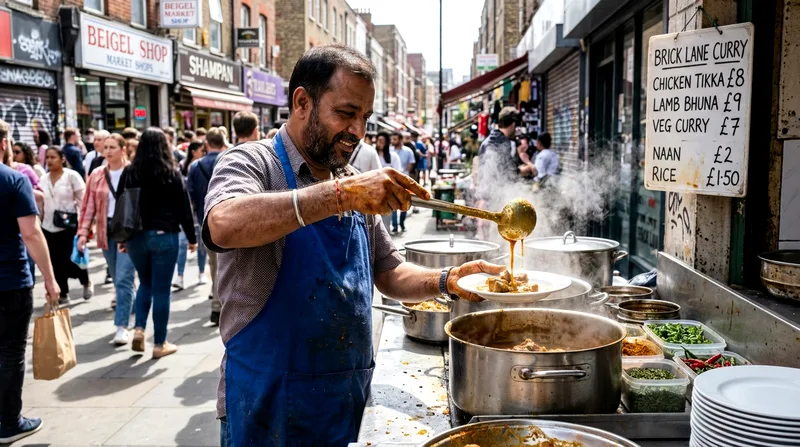
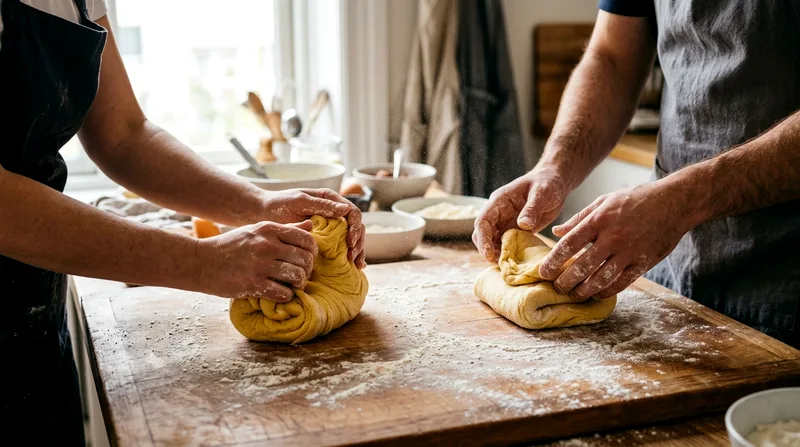
Pasta classes are consistently popular and tend to be the most reliably hands-on format in the city, since rolling and shaping dough is inherently a tactile task — there's no demonstration shortcut that still lets you claim you made it. Indian cooking classes in London are also strong, often taught by instructors with direct regional heritage, covering curry bases, tempering spices, and bread like naan or roti cooked in a tandoor or on a tawa.
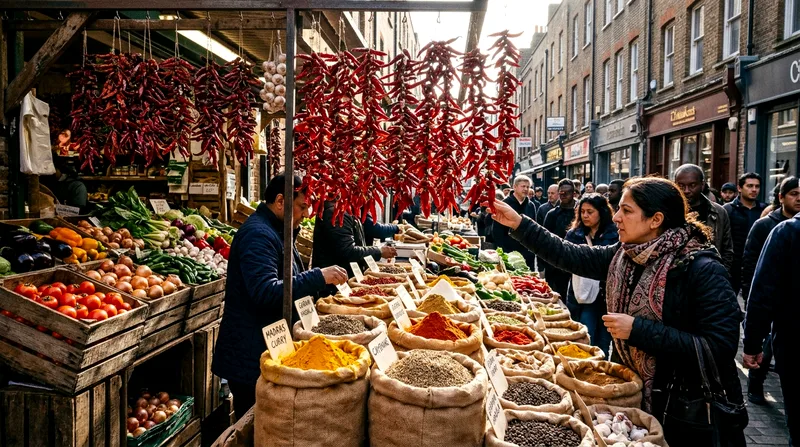
If you want variety across a single trip, treat it like sampling restaurants: one British class, one pasta or European class, and if time allows, one further afield — Indian, Thai, or Middle Eastern. Compare this to Amsterdam or Dublin, where the cooking-class scene is thinner and more tourist-generic; London's volume of schools means you can actually curate a week of genuinely different sessions rather than taking whatever's on offer.
What to Look for When Booking
Once you've picked a format, the listing details matter more than the marketing photos. A cooking experience London schools advertise with a beautifully lit final dish tells you nothing about class size or whether you'll actually touch a knife for more than five minutes.
Inclusions, class size and instructor credentials
Check whether the price includes ingredients, aprons, recipe cards to take home, and — critically — drinks. Some listings include wine or beer throughout; others charge it separately or not at all. Class size matters too: anything above 16 people usually means you're working in pairs or trios rather than solo at a station, which is fine for a casual session but frustrating if you specifically want individual technique feedback.
Instructor credentials vary from professionally trained chefs with restaurant backgrounds to enthusiastic home cooks running a side business. Neither is automatically better — a chef from a school like Leiths brings formal technique, while a home-style instructor on a platform like EatWith often brings more personal, regional authenticity. Read recent reviews on the booking platform or on TripAdvisor specifically for comments about class size and hands-on time, not just food quality.
Dietary needs, accessibility and cancellation
Vegetarian and vegan options are now standard at most London cookery schools, but gluten-free and severe allergy accommodation varies — email ahead rather than assuming the booking form's dropdown menu covers it properly. For accessibility, ask specifically about standing time at a counter versus seated stations; some venues, including retail-adjacent spaces like Borough Kitchen's demonstration kitchen, have limited step-free access in older buildings.
Cancellation policies are worth reading before you pay, not after. Many classes require 48–72 hours' notice for a refund and treat no-shows as forfeited in full, since ingredients are bought per headcount in advance.
When to Book Your Cooking Class
Book earlier than you think you need to, particularly for anything billed as a beginner cooking class London schools run on weekday evenings — these sell out fastest because they attract both tourists and local after-work bookings.
Peak seasons and weekend evenings
Summer (June to August) and the weeks around Christmas are the busiest booking windows, partly driven by tourist volume and partly by Londoners booking festive-themed sessions as outings. Weekend evening slots, especially Friday and Saturday, fill first because they double as date-night and group-celebration bookings. If your schedule is flexible, a weekday afternoon class is not only easier to book but often slightly cheaper, since demand is lower.
Gift vouchers and group bookings
Most established schools sell open-dated gift vouchers, which is a sensible option if you're booking for someone else's trip or want flexibility before firm travel dates are set. For group bookings — hen parties, work outings, family reunions — contact the venue directly rather than booking individual seats through a general platform; private group rates and custom menus are usually only available this way, and large schools can sometimes accommodate 20–30 people with advance notice of a few weeks.
Frequently asked questions
What are the best cooking classes in London for visitors?
There's no single best class — it depends on your group. For a first-time visitor, a hands-on British classics class (roast dinner or pie-making) at an established school gives the most distinctly "London" experience. Pasta classes are the most reliably hands-on if you want guaranteed kitchen time rather than a demonstration.
Are there cooking classes for couples in London?
Yes — many schools run evening sessions marketed specifically as date-night or couples classes, usually two to three hours with a sit-down meal and wine pairing included. Shared group classes are cheaper per person than booking a fully private session for two and still feel intimate in a small group of six to twelve.
Are there cooking classes for families and children in London?
Several venues, including Greenwich Pantry and some Borough Market-area schools, run family or kids' sessions focused on baking, pizza, or simple pasta. Check minimum age requirements before booking — many adult hands-on classes set a minimum age of 7 or 8, and knife-heavy or flame-heavy sessions often exclude younger children entirely.
Are London cooking classes suitable for beginners and solo travellers?
Yes, and group classes are the better fit for both. A beginner cooking class London schools offer typically starts with basic knife skills and simple techniques, with instructors used to mixed-ability groups. Solo travellers get the added benefit of a communal table at the end, often the easiest way to meet other travellers over a shared meal.
What is included in a typical London cooking class?
Most include all ingredients, an apron, and a recipe card or booklet to take home; many also include the meal you cook eaten on-site. Drinks (wine, beer, soft drinks) are sometimes included and sometimes charged separately — always check the listing's inclusions section rather than assuming, since this varies significantly between venues.