A practical London itinerary 3 days long, grouped by area to cut tube time, with pre-booking tips and where to stay for first-time visitors.
3 Days in London: A Day-by-Day Itinerary
This London itinerary 3 days long is built for first-time visitors who want Westminster Abbey, the Tower of London, Buckingham Palace and the rest of the postcard list — without losing half of each day underground on the tube. The trick is grouping sights by area rather than by category. Spend a day in Westminster, a day in the City and South Bank, a day in South Kensington and the West End, and the walking between sights does most of the transport work for you.
Three days is enough to see London's headline attractions properly, though not every museum in depth. If you've got a free fourth day, add it to South Kensington or Greenwich rather than stretching this plan thinner. Compared with Paris, where the Metro makes cross-city hops quick, London's distances and slower Underground interchanges punish a scattershot route more — plan by area here more than you would in Paris or Amsterdam.
Below is the day-by-day route, plus a table summarizing each day's area, highlights and what to book ahead.
Grouping London's sights into three area-based days — Westminster, the City/South Bank, and South Kensington/West End — keeps tube journeys short and sightseeing time long.
London itinerary 3 days: area, highlights and tickets to pre-book by day
| Day | Main area | Key sights | Pre-book this |
|---|---|---|---|
| Day 1 | Westminster | Westminster Abbey, Big Ben, Buckingham Palace, Tate Britain | Westminster Abbey timed entry |
| Day 2 | City of London & South Bank | St. Paul's Cathedral, Millennium Bridge, Tower of London, The Shard | Tower of London entry, Shard viewing slot |
| Day 3 | South Kensington & West End | Victoria and Albert Museum, West End theatre | West End show tickets |
Typical sight groupings; check official sites for current entry times before booking.
Day 1: Westminster and Royal London
Start early. Westminster is London's most photographed square mile, and it gets dense with tour groups by mid-morning. Base yourself near Westminster or St James's Park Underground station and walk everything — nothing on this day is more than 20 minutes apart on foot.
Morning: Westminster Abbey and Big Ben
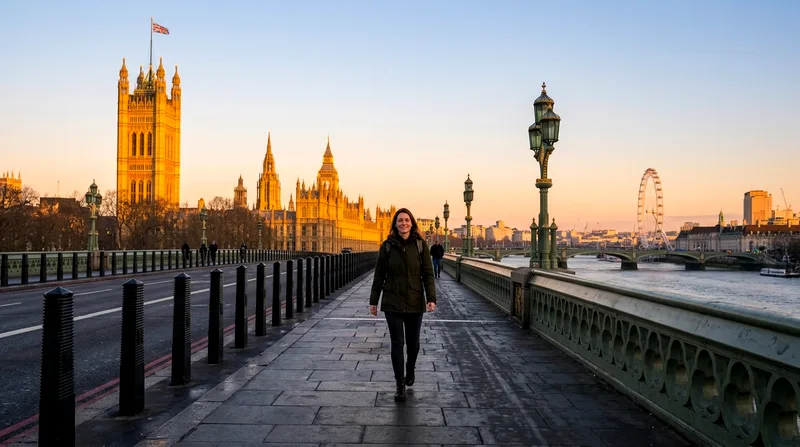
Arrive at Westminster Abbey for opening, ideally with a timed-entry ticket booked online in advance — queues at the door can run 30-45 minutes by mid-morning in summer. Budget 90 minutes inside; the audio guide is included and worth using, since the coronation theatre and Poets' Corner mean little without context. Step outside and you're facing Big Ben and the Houses of Parliament across the road — the clock tower is best photographed from Westminster Bridge rather than directly underneath, where the angle is awkward. Westminster Hall tours (when Parliament is sitting) require separate booking and aren't guaranteed, so don't build the day around them.
Afternoon and evening: Buckingham Palace and Tate Britain
Walk up through St James's Park (20 minutes) to reach Buckingham Palace for early afternoon. The Changing the Guard ceremony runs on alternate days outside peak season and daily through summer — check the official schedule the week before, since it changes without much notice. If the Palace State Rooms are open to visitors (summer only, roughly late July to September), that's a two-hour add-on worth booking weeks ahead. Otherwise, skip the palace interior and walk 25 minutes along the river to Tate Britain, which is far less crowded than Tate Modern and holds the best Turner collection anywhere. It's free to enter, which makes it an easy way to fill a tired late afternoon. Finish with dinner in Pimlico or Victoria rather than the overpriced tourist cafés right by the Abbey.
Day 2: The City and South Bank
This is the busiest day of the three, mixing two very different Londons: the financial City in the morning, the riverside South Bank in the afternoon. The connective tissue is the Millennium Bridge, a pedestrian-only crossing that makes the whole day walkable with almost no tube needed between stops.
Morning: St. Paul's Cathedral and Millennium Bridge
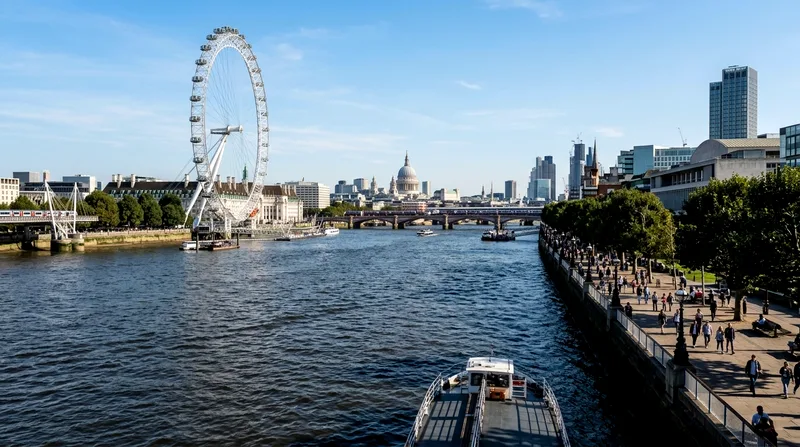
Get to St. Paul's Cathedral for opening — it's quieter before 10am and the dome climb (528 steps to the top of the Golden Gallery) is far more pleasant without a queue behind you. Give it 90 minutes to two hours if you're doing the climb, less if you're sticking to ground level. From the cathedral steps, walk south across the Millennium Bridge — the wobbly bridge, as Londoners still call it, though it hasn't actually wobbled since engineers fixed it shortly after opening in 2000. The view back toward St. Paul's dome from mid-bridge is one of the better free photo spots in the city.
Afternoon and evening: Tower of London and The Shard
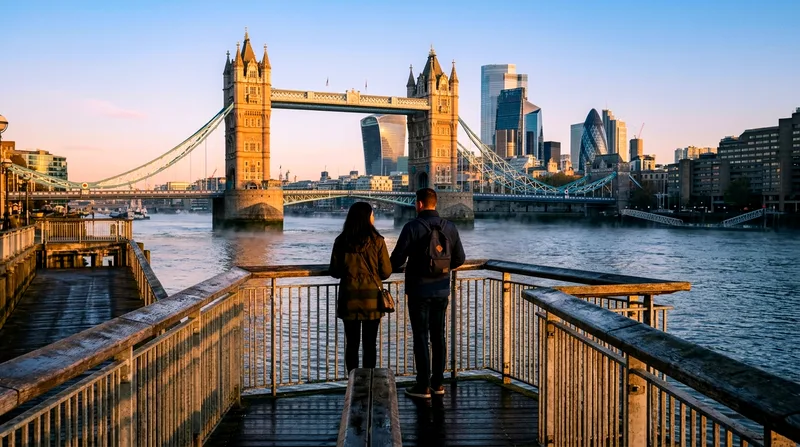
From the south end of the bridge, it's a 25-minute riverside walk east past Shakespeare's Globe and Borough Market to London Bridge, or hop one tube stop if your legs are done. The Tower of London deserves a full two to three hours — book timed entry online in advance, since walk-up queues for the Crown Jewels alone can eat 45 minutes in peak season. Don't skip the Yeoman Warder tour; it's included in admission and the only way most of the Tower's history gets explained well. In the evening, cross Tower Bridge on foot and head to The Shard for sunset views over the city — book a specific viewing slot ahead, as walk-up tickets sell at a premium and good sunset slots go first. If heights or the entry price put you off, the free alternative is the view from the Sky Garden at 20 Fenchurch Street, which requires only a free advance booking slot.
Day 3: South Kensington and the West End
Day three shifts pace: one major museum in the morning, shopping and theatre in the evening. South Kensington's museum cluster and the West End aren't adjacent, so this day uses one deliberate tube journey rather than trying to force a walking link that doesn't exist.
Morning: Victoria and Albert Museum
The Victoria and Albert Museum is the best-organized of London's big three South Kensington museums — less overwhelming than the Natural History Museum next door, with free general admission and genuinely good temporary exhibitions that do require paid, pre-booked tickets if there's one on you want to see. Give it two to three hours; the fashion galleries and the cast courts (full-size plaster casts of Michelangelo's David and Trajan's Column) are the two sections first-timers consistently underrate. If you're traveling with children under 10, the Natural History Museum next door is the stronger choice instead — swap it in without guilt.
Afternoon and evening: West End shows and dining
Take the Piccadilly line from South Kensington to Covent Garden or Leicester Square (around 15-20 minutes) for the afternoon. Browse Covent Garden's market, then book a West End show for the evening — musicals and plays here are comparable in quality to Broadway, and often cheaper than New York prices for similar seats. Book online in advance for anything with a well-known cast or a long-running hit; same-day discount booths exist around Leicester Square but have thinner stock than people expect. Eat in Chinatown or Soho beforehand — both are a five-minute walk from most West End theatres, which matters when turnaround between dinner and curtain is tight.
Getting Around London Between Sights
London's Underground is extensive but not always fast for short hops — two stops on the Circle line can take longer than a 12-minute walk above ground, once you count stairs and interchange time. This itinerary is built to minimize tube use for exactly that reason.
Contactless and Oyster for the tube
Skip paper tickets entirely. Tap a contactless debit or credit card directly at the gates, or buy an Oyster card if you'd rather not use your own bank card — both cap your daily spend automatically once you hit the daily price limit, so you're never overcharged for taking extra short trips. Avoid buying a paper Travelcard at the airport; it's rarely better value than contactless once daily capping is factored in. Rush hour (roughly 7:30-9:30am and 5-6:30pm on weekdays) makes central interchange stations like Bank and King's Cross genuinely unpleasant — route around them if your schedule allows.
Walking links that avoid tube changes
The single best move in this itinerary is walking Westminster to Buckingham Palace to Tate Britain on Day 1, and St. Paul's to the Tower via the Millennium Bridge and South Bank on Day 2 — both avoid a tube change entirely and show you more of the city than any carriage would. London rewards walkers in a way Paris does too, but less than Amsterdam, where flat terrain and cycle paths make unplanned detours easier. Wear proper shoes; London's pavements and the Tower's cobbles are harder on feet than most visitors expect.
Where to Base Yourself for 3 Days
Where you sleep affects how much of each day gets eaten by transit. For a three-day trip built around the areas above, staying central is worth the extra cost over a cheaper outer-zone hotel — you'll get it back in time and energy.
Best central neighbourhoods for first-timers
South Kensington is the strongest all-round base: quiet residential streets, good tube links on the Piccadilly and District lines, and walking distance to the Day 3 museums. Covent Garden puts you closest to West End theatres and Day 3's evening, but it's noisier and pricier, especially on weekends. Victoria or Pimlico works well if Day 1's Westminster focus matters most to you, with easy rail links if you're also doing a day trip out to Windsor or Oxford. Avoid basing yourself near King's Cross or Paddington purely for the airport rail link — convenient for arrival, but it adds 20-30 minutes to nearly every sightseeing day compared with a more central base. Budget travelers can look at Zone 2 areas like Shepherd's Bush or Earl's Court, both a short, direct tube ride from the centre and considerably cheaper than Covent Garden or South Kensington hotels.
Optional Bookable Experiences and Tickets
London's major sights increasingly sell out specific time slots rather than operating on pure walk-up, especially from late spring through early autumn. Booking ahead isn't just about saving money — for the Tower of London and Westminster Abbey in peak months, it's often the only way to avoid a genuinely long queue.
What to pre-book before you go
Prioritize, in order: Tower of London timed entry, Westminster Abbey timed entry, any West End show you specifically want to see, and a Shard viewing slot if sunset views matter to you. St. Paul's Cathedral and the V&A's permanent collection rarely require advance booking, though a popular V&A temporary exhibition will. A Thames river cruise or sunset boat tour between Westminster and the Tower is a solid rainy-day-proof alternative if you'd rather sit than walk on Day 2 — check current prices and departure times before booking, since schedules shift seasonally.
Is the London Pass worth it?
The London Pass bundles entry to dozens of attractions, including the Tower of London, for one upfront price. It makes sense if you're the type who'll genuinely hit four or five paid attractions a day and want to avoid individual ticket queues — but for this three-day itinerary, which leans on several free sights (Tate Britain, the V&A's permanent collection, St. Paul's exterior) and only two or three major paid entries, it's often cheaper to book individual tickets directly. Do the math on your specific worth seeing list before buying; compare current prices and inclusions before you book, since the pass's attraction list and cost change periodically.
Making This 3-Day London Itinerary Work for You
Three days, three areas: Westminster on Day 1, the City and South Bank on Day 2, South Kensington and the West End on Day 3. Book Westminster Abbey and the Tower of London first — they're the two most likely to cause queue pain if you turn up unticketed. Add a West End show and a Shard slot if either appeals, and treat the London Pass as a calculation rather than a default purchase.
Traveling with young children, consider swapping the V&A for the Natural History Museum, and build in more downtime than this pace assumes — London punishes rushed toddlers more than rushed adults. If bad weather hits, the Tate Britain and V&A both have enough indoor ground to fill half a day easily. For a slower trip, or if you're combining London with Edinburgh or Dublin on a wider UK and Ireland run, consider stretching this into four or five days and adding Greenwich or a day trip to Windsor.
Frequently asked questions
Is 3 days in London enough?
Three days covers the major landmarks — Westminster Abbey, the Tower of London, Buckingham Palace, St. Paul's, and one or two museums — comfortably if you group sights by area. It's tight if you also want day trips to places like Windsor or Oxford, or want to properly explore markets and neighbourhoods beyond the core sights. Add a fourth day for either.
What should you pre-book for a 3-day London trip?
Book Tower of London and Westminster Abbey timed entry first, since both sell out specific slots in peak season. Add a West End show if there's a specific one you want, and a Shard viewing slot if sunset views matter. St. Paul's and the V&A's permanent galleries rarely need advance booking outside special exhibitions.
Where should first-time visitors stay in London?
South Kensington offers the best balance of quiet streets and tube access for this itinerary. Covent Garden suits those prioritizing West End evenings, while Victoria or Pimlico works well if Westminster sights come first. Avoid basing yourself near King's Cross purely for airport convenience — it adds real time to most sightseeing days.
What is the easiest way to get around London in 3 days?
Tap a contactless card or Oyster card at Underground gates rather than buying paper tickets — both cap your daily spend automatically. Walk between nearby sights where possible, since short tube hops often take longer than walking once you factor in stairs and interchanges, particularly around Westminster and the City.
Is the London Pass worth it for a 3-day trip?
It depends on how many paid attractions you'll actually visit. If you're hitting four or more paid sights daily, the math can work. For this itinerary, which includes several free attractions and only two or three major paid entries, booking tickets individually is often cheaper — compare current pass pricing against your specific list before buying.