Plan 5 days in London with a day-by-day itinerary covering top sights, neighbourhoods, a Windsor Castle day trip, transport tips and where to base yourself.
Day 1: Westminster and Royal London
Start where most London itinerary 5 days plans should start — Westminster, the political and ceremonial core of the city. This day covers a lot of walking, so wear proper shoes and expect to be on your feet for six or seven hours with breaks.
Morning belongs to Westminster Abbey and the Houses of Parliament, both best tackled before 10am when the crowds thicken. Afternoon shifts toward Buckingham Palace and St James's Park, a gentler pace after a dense morning of queuing and history. Lunch works well around Victoria Street or in St James's Park itself — there's a decent café by the lake, though it's pricier than a Pret sandwich eaten on a bench, which is honestly what most Londoners do.
Evening is flexible: a short Thames walk toward the South Bank sets you up geographically for Day 2, or you can head back to your hotel and rest. If it's raining — and in London you should assume it might — the Churchill War Rooms nearby are an excellent indoor alternative, covering roughly 90 minutes to two hours.
One thing I'd skip: trying to see the inside of Parliament itself unless you've booked a specific tour slot months ahead, since public access is limited and often tied to UK residents writing to their MP. Don't build your day around it.
Westminster Abbey, Big Ben and Parliament
Westminster Abbey opens to visitors mid-morning on most days except Sunday, when it's reserved for services — check the official site before you go, since hours shift seasonally. Budget 90 minutes minimum; it's dense with royal tombs and coronation history, and an audio guide (included with the ticket) genuinely helps. Big Ben and the Houses of Parliament sit just outside — you can't go inside without a pre-booked tour, but the exterior view from Westminster Bridge, especially at golden hour, is one of the better free photo moments in the city. Buy Abbey tickets online in advance; the walk-up queue can run 30-45 minutes on a busy morning, which is wasted time you don't get back.
Buckingham Palace and St James's Park
Buckingham Palace's interior is only open for a limited window in summer, so most visitors are here for the exterior and the Changing of the Guard, which typically happens late morning on select days — check the official schedule, as it's not daily year-round. Don't fight the crowds at the railings; instead watch from the Victoria Memorial steps for a better sightline. St James's Park afterward is the real reward — a 15-minute stroll past pelicans and a lake view back toward the Palace, quieter than Hyde Park and a good spot to sit down after a morning of standing.
Day 2: Tower of London and the South Bank
This day pairs two heavyweight sights — the Tower of London and St Paul's Cathedral — with an easy riverside walk along the South Bank. It's a full day, but less walking-heavy than Day 1 since you can use the Tube or a river boat to link the halves.
Morning: Tower of London, ideally first entry to beat the tour groups that arrive by mid-morning. Give it two and a half to three hours if you want to see the Crown Jewels without rushing. Cross Tower Bridge on foot afterward — free, and a better photo spot than most people realise, especially looking back at the Tower itself.
Afternoon heads to St Paul's Cathedral, either by Tube (Monument or St Paul's station) or by walking the riverside path, about 25 minutes. Lunch somewhere around Borough Market, on the south side of the river, works well timing-wise — it's touristy, yes, but the food stalls are genuinely good and it's a natural midpoint.
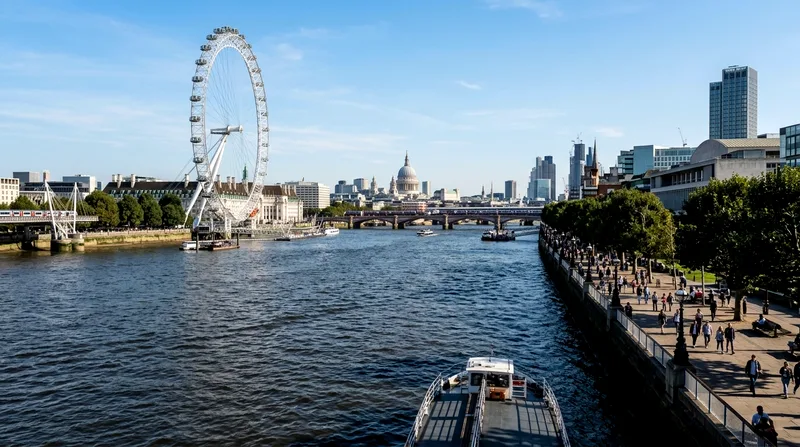
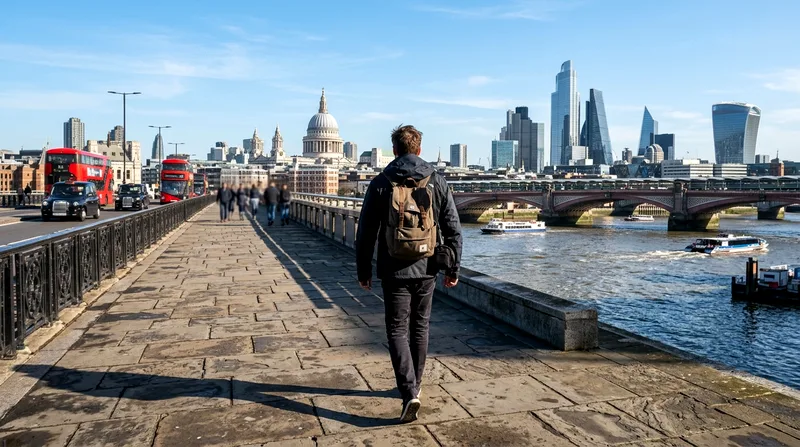
Evening belongs to the South Bank: the Globe Theatre area, then the London Eye as the light drops. If your legs are done by this point, skip the Eye and just walk the South Bank promenade instead — it's free, flat, and arguably more memorable than the pod ride, which can feel overpriced for 30 minutes.
Tower of London and St Paul's Cathedral
Book Tower of London tickets online ahead — it's one of the few London sights where advance booking saves real money compared to walk-up prices, and it avoids a queue that can stretch 45 minutes in peak season. The Crown Jewels are the main draw, but the Beefeater tours (included, running roughly every 30 minutes) are worth timing your visit around. St Paul's Cathedral, by contrast, rewards a slower visit — climb to the Whispering Gallery and, if your knees allow, continue up to the Stone Gallery for a rooftop view over the City. Note St Paul's closes to tourist visits on Sundays for worship, so plan around that if your five days include a Sunday.
Globe Theatre and London Eye evening
Shakespeare's Globe is worth a look even without seeing a performance — the exhibition tour runs about 45 minutes and covers the reconstruction history, which is more interesting than it sounds. If you can time your trip around an evening performance, it's a genuinely different way to see a play, standing in the yard for a few pounds. The London Eye nearby is the obvious evening finale, but book a time slot in advance — walk-up queues in the evening can run long, and sunset slots sell out first. If you'd rather save the money, the view from the Golden Jubilee Bridge just north is free and nearly as good.
Day 3: Museums, Covent Garden and Soho
Day 3 slows the pace and leans into free activities and museums, which is a relief after two heavy sightseeing days. This is also the day to build in genuine downtime — a 5 day London itinerary that's booked solid from 9am to 9pm every day leads to burnout by day four.
Morning: the British Museum, free entry, though donations are welcomed and genuinely needed. Two to three hours covers the highlights — the Rosetta Stone, the Parthenon sculptures, the Egyptian galleries — without museum fatigue setting in. Arrive by 10am if you want to beat the school groups and tour buses that fill the Great Court by midday.
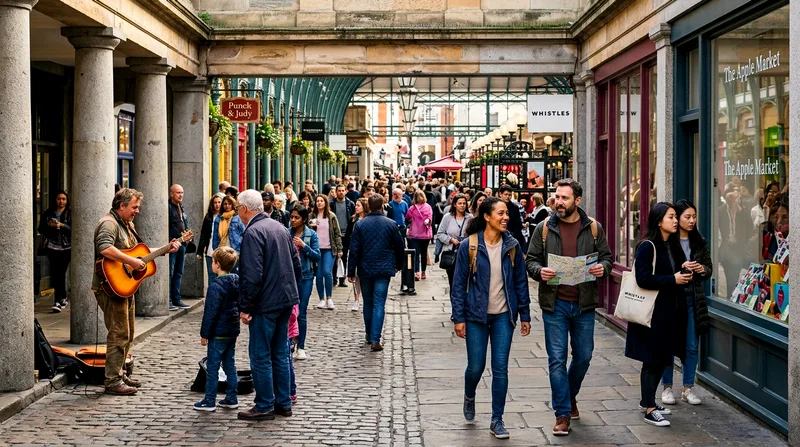
Afternoon moves south to Covent Garden, a 20-minute walk or a couple of Tube stops. The market hall has street performers most afternoons, decent people-watching, and shops that range from genuinely interesting to overpriced tourist tat — be selective. Lunch here is fine but pricier than it should be; Neal's Yard nearby has better value options tucked just off the main drag.
Evening drifts into Soho, good for wandering rather than box-ticking — narrow streets, theatre marquees, a dense cluster of restaurants covering everything from Cantonese to Italian. If you booked a West End show for this trip, this is the night to do it; book seats weeks ahead for anything popular, since good seats for hit shows sell out fast.
Free Museums and Afternoon Pace
London's major museums — British Museum, National Gallery, Natural History Museum, Science Museum — are free to enter, which is one of the city's genuine advantages over Paris or Rome, where the Louvre and the Colosseum both charge significant entry fees. If the British Museum feels overwhelming, the National Gallery on Trafalgar Square is a smaller, calmer alternative and sits close enough to fold into the same afternoon. Rainy day alternative: swap the Covent Garden wandering for the Natural History Museum instead, which has enough galleries to fill three hours comfortably.
Day 4: Windsor Castle Day Trip
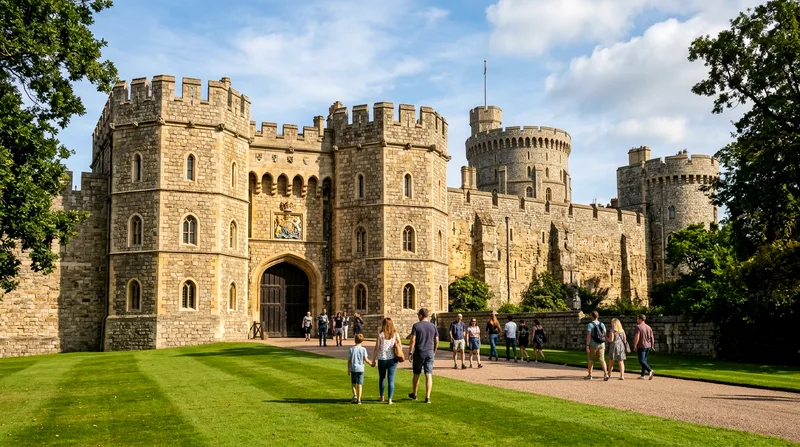
Windsor Castle is the single best day trip for a first 5 day London trip — close enough for an easy half-day round trip, grand enough to justify leaving the city. It's the oldest continuously occupied castle in the world, and the State Apartments and St George's Chapel are genuinely worth the entry fee, which runs higher than most London museums since it's an independent royal residence, not a free national collection.
Plan on leaving central London by mid-morning, arriving in Windsor within an hour, and spending two to three hours at the castle itself. The town around it is small and walkable — good for lunch, a riverside pub, or a stroll along the Thames before heading back. You'll be back in London by early evening, tired but not wrecked.
Watch out for the Changing of the Guard here too — it happens on select days, not daily, and the schedule differs from London's. Check before you travel if that's a priority, rather than building the whole day around an assumption.
Windsor fits comfortably into a half-day, while Stonehenge and Bath need most or all of a full day.
London day trips compared: Windsor Castle vs Stonehenge vs Bath
| Day trip | Travel time from London (one way) | Time needed on site | Best for |
|---|---|---|---|
| Windsor Castle | approx. 1 hour by train | 2-3 hours | First-timers, families, half-day trips |
| Stonehenge | approx. 2 hours by car/coach | 1-1.5 hours | History lovers wanting something dramatic |
| Bath | approx. 1.5 hours by train | 3-4 hours | Combining with Stonehenge, Roman and Georgian history |
| Oxford | approx. 1 hour by train | 3-4 hours | University architecture, literary fans |
Typical travel times by standard rail or road; actual journey times vary by departure station and traffic, so check before you travel.
Getting to Windsor from London
Trains run from London Paddington (via Slough, with a change) or from London Waterloo direct to Windsor & Eton Riverside — the Waterloo route is slower, around 55 minutes, but avoids the change. Either way, it's a straightforward rail trip, not a tour-bus slog. If you'd rather not manage tickets and timing yourself, a guided day tour that bundles transport and a timed castle entry is worth it for families or anyone who finds UK rail ticketing confusing — compare current Windsor day tour options and prices before you book, since timed-entry slots for the castle can sell out on weekends and around school holidays.
Alternative day trips including Stonehenge
If Windsor doesn't appeal — maybe you've done castles already, or you want something more dramatic — Stonehenge is the other obvious choice, though it eats a full day rather than a half: it's roughly two hours each way by car or coach, so you're looking at six to eight hours round trip including the visit itself. Bath pairs well with Stonehenge on a combined day tour if you want Roman history and Georgian architecture alongside the stones. Don't try to do both Windsor and Stonehenge within your five days unless you're willing to sacrifice a city day entirely — it's one or the other for most itineraries.
Day 5: Hyde Park and Neighbourhood Wandering
The last day should be the loosest one — fewer timed bookings, more wandering, since by now you'll have a feel for the Tube and won't need to over-plan. Hyde Park anchors the morning: it's enormous, over 140 hectares, with Kensington Gardens adjoining it and the Serpentine lake good for a rowboat if the weather holds.
From the park, Kensington is a natural follow-on — the Natural History Museum and V&A sit right at its southern edge if you want one more museum fix, both free to enter. Notting Hill is a short walk or bus ride further west, worth an hour for Portobello Road, especially lively on a Saturday when the market is in full swing — on other days it's quieter, closer to just a pretty street.
Afternoon and evening are intentionally open. This is the slot to revisit a neighbourhood you liked, do last-minute shopping on Oxford Street (crowded, overrated, but unavoidable for some), or take a sunset boat tour on the Thames as a low-effort, high-reward way to close the trip. Compare current Thames river cruise options and prices before you book — some run from Westminster, others from the South Bank, and evening departures tend to sell out first in summer.
Hyde Park and Kensington
Enter Hyde Park near Marble Arch and walk southwest toward the Serpentine — it's about a 25-minute stroll end to end if you don't stop, longer if you do. Kensington Palace sits within Kensington Gardens and is ticketed separately from the park itself; it's smaller and less crowded than Buckingham Palace, a reasonable alternative if you want royal history without the queues. Speaker's Corner, near Marble Arch, is worth a quick look on a Sunday morning if your timing allows — it's free, unscripted, and a genuinely odd slice of London tradition.
Getting Around, Where to Stay and Bookings
London's transport runs on the Oyster card or contactless bank card — both cap your daily spend automatically, so there's no need to work out zones or buy paper tickets. Budget roughly £8-£9 a day in Tube and bus fares if you're moving around a lot, less if you walk between nearby sights, which this itinerary encourages on Days 1 and 5.
Compared with Paris, where the Metro is denser but stations are often grubbier, or Amsterdam, where you'd mostly cycle or tram, London's network is wider-reaching but slower — expect delays on the Underground during weekday rush hours, roughly 8-9:30am and 5-6:30pm, and avoid cramming sightseeing into those windows if you can.
Where to base yourself
For a first 5 day London itinerary, stay somewhere on or near a Zone 1 Tube line — South Kensington, Victoria, or around Covent Garden all work well, putting you within 20-30 minutes of everything in this plan. South Kensington suits families, with museums on the doorstep and a calmer residential feel. Covent Garden suits couples and solo travellers who want nightlife and restaurants outside the door, though rooms there run noisier and pricier than equivalent options in, say, Bloomsbury near the British Museum, which is quieter and still central. Avoid basing yourself too far east or south unless the price difference is dramatic — the time cost of longer Tube journeys adds up over five days.
Optional bookable experiences
Beyond the day-specific bookings already mentioned — Tower of London tickets, the London Eye, a Windsor day tour — a few other experiences are worth reserving ahead rather than chancing on the day: a West End show (book several weeks out for anything popular), a Thames river cruise for Day 5 evening, or a London Eye combo ticket if you want to pair it with Madame Tussauds. None of these need booking the moment you land, but anything timed — a show, a sunset cruise, a specific castle entry slot — benefits from locking in before you arrive rather than hoping for same-day availability.
Frequently asked questions
Is 5 days enough to see London?
Five days is a comfortable length for a first visit — enough time for the major sights, one day trip like Windsor, and a slower day of neighbourhood wandering. You won't see everything (London genuinely takes weeks to exhaust), but you'll leave without feeling rushed, which is more than most 3-day itineraries manage.
Where should I stay in London for 5 days?
Base yourself in or near Zone 1 — South Kensington, Covent Garden, or Bloomsbury all put you within 20-30 minutes of everything in this itinerary. South Kensington suits families near the museums; Bloomsbury is quieter and good value for the British Museum and West End access.
What day trips can I take from London?
Windsor Castle is the easiest, at roughly an hour each way by train with two to three hours needed on site. Stonehenge takes a fuller day at around two hours each way, and pairs well with Bath if you want Roman history alongside the stones — but don't try to combine Windsor and Stonehenge in the same five-day trip.
How do I get around London efficiently?
Use an Oyster card or tap in with a contactless bank card on the Tube and buses — both cap your daily fares automatically. Budget around £8-£9 a day if you're moving across the city often, and avoid the Underground during weekday rush hours (roughly 8-9:30am and 5-6:30pm) when it gets genuinely crowded.
What should you not miss in London?
Westminster Abbey, the Tower of London, and at least one free museum — the British Museum or National Gallery — cover the essentials most first-timers regret skipping. Don't skip a proper walk along the South Bank either; it's free, flat, and gives you better views of Tower Bridge and St Paul's than most paid attractions.