Compare private black cab tours in London with walking, bus and chauffeur options. See who they suit, what to check when booking and when to reserve.
Who Suits a Private Black Cab Tour
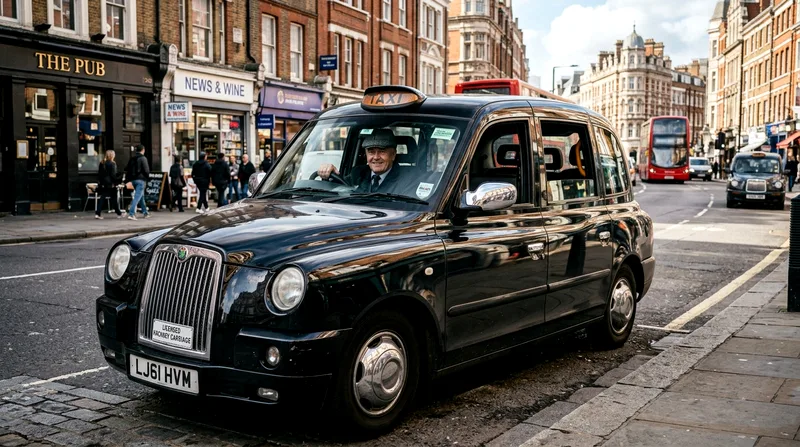
There's something unapologetically old-fashioned about climbing into a black cab and letting a cabbie take you past Buckingham Palace, Westminster Abbey and the Tower of London while chatting over his shoulder. A private black cab tour London operators offer isn't the cheapest way to see the city, and it isn't the fastest either — but it's one of the few sightseeing formats where the guide and the vehicle are the same fixed point of contact for the whole trip, no swapping buses or losing your group at a crossing.
These tours typically run two to four hours, cover a fixed list of landmarks with stops for photos, and seat up to five passengers comfortably (black cabs are licensed for five, occasionally six with a jump seat). That capacity cap is the single biggest practical factor in deciding if this format works for you. A couple or a family of four fits easily. A group of eight does not, and you'd need two cabs or a minibus instead.
Families, couples and small groups
Families with children under ten tend to do well in a black cab, mostly because the ride itself becomes part of the entertainment — kids like the fold-down seats and the novelty of the cab's tight turning circle. Couples booking an anniversary or proposal-adjacent tour often add a stop at a scenic viewpoint near the London Eye or along the South Bank, which most cabbies will accommodate if you ask in advance rather than on the day. Small groups of three to five friends get good value per head compared to a solo private car hire, since the group price is split rather than per-person in most listings — though you should confirm that directly, as pricing structures vary between operators.
First-time visitors and those with limited mobility
If this is your first trip to London and you have two or three days to cover the highlights, a black cab tour is a sensible opening move — it gives you an oriented overview of where things sit relative to each other before you commit to walking tours or the Tube later in the trip. It's also one of the better options for travellers with limited mobility or older relatives who can't manage a full day on foot. Black cabs have a flat floor and wide door opening designed originally for wheelchair access, and you're not climbing on and off a coach at every stop. Compare that to a hop-on hop-off bus, where you're still walking to stops and up a staircase to the top deck — the cab avoids both problems.
Why Licensed Cabbies Make Distinctive Guides
What separates a London cabbie from a driver anywhere else is a qualification most tourists have never heard of: The Knowledge. It's not a marketing phrase — it's a real examination administered under Transport for London's licensing system, historically taking candidates two to four years of study on a moped, memorising thousands of streets and points of interest within a six-mile radius of Charing Cross. Not every black cab driver who takes you on a tour will frame it as a guiding credential, but the fact they hold it means their route knowledge is genuinely encyclopedic, not GPS-dependent.
That matters more than it sounds. A cabbie can reroute around a closed road, a protest march, or a film shoot near Westminster without missing a beat, because he or she knows four alternative ways to reach Borough Market already. Compare that to a coach driver following a fixed GPS route — if the road's blocked, the tour either stalls or skips the stop. It's a genuine, checkable advantage of the format.
The Knowledge and what it means for guiding
The Knowledge exam specifically tests "Blue Book" runs — around 320 set routes crisscrossing central London — along with the landmarks, hotels and buildings near each one. Licensed cabbies have to recall this without hesitation in oral exams conducted by TfL examiners. For a tour, this translates into a driver who can point out a building's history on the fly rather than reading from a script, and who genuinely knows shortcuts between, say, the Tower of London and St Paul's that a satnav wouldn't suggest. It's worth asking, when booking, whether the specific driver holds the full Knowledge licence (an "All London" green badge) rather than a suburban badge, since standards and route familiarity differ.
Underrated spots and local stories beyond the landmarks
The best part of a cabbie-guided tour usually isn't the stop at Buckingham Palace — it's the detour down a mews or alley you'd never find on your own, where the driver has a story about a pub, a film location, or a plague pit nobody puts on a map. That's a real point of difference from a scripted walking tour, where guides tend to repeat the same anecdotes at the same spots. The trade-off is consistency: one driver's commentary might be sharper and funnier than another's, and you can't really know in advance which you'll get. Reading recent reviews on TripAdvisor or the operator's own site before booking is the only real way to manage that risk.
Black Cab vs Other Private Tour Types
London offers so many sightseeing formats that choosing one can be paralysing. The honest answer is that a private black cab tour London visitors book occupies a specific niche: more personal than a bus, less strenuous than walking, more flexible than a boat, and generally pricier per head than all three for larger groups.
A walking tour wins on cost and intimacy with street-level detail — you'll see things from a cab window you'd simply walk past, like shopfront facades or market stalls at Borough Market. But walking tours run two to three hours on your feet, which rules them out for anyone with joint pain or small children who tire fast. A minibus or coach tour wins on group size and price per person for larger parties, but loses the personal guiding — you're one of twenty, not one of four, and the driver isn't narrating with you in mind. A Thames river boat tour gives you a completely different vantage point and is worth combining with a cab tour rather than choosing between them, since the boat covers the river-facing sights (the Tower, the Eye, the South Bank) that a cab can only glimpse from a bridge.
A private black cab tour suits small groups wanting flexible, door-to-door guiding, while walking, minibus and boat tours each trade that flexibility for cost, group size or a different viewpoint.
Private London sightseeing tours compared: cab, walking, minibus and boat
| Tour type | Typical duration | Group size | Best for | Main drawback |
|---|---|---|---|---|
| Private black cab tour | 2-4 hours | 1-5 passengers | Small groups wanting personal guiding and comfort | Higher cost per person for larger groups |
| Walking tour | 2-3 hours | Up to 15-20 | Street-level detail and lower cost | Tiring for limited mobility or young children |
| Minibus or coach tour | 3-8 hours | 8-50+ | Larger groups and multi-stop day trips | Less personal, fixed route and timings |
| Thames river boat tour | 1-2 hours | Varies, often 50+ | River-facing landmarks and a different vantage point | Covers only river-adjacent sights |
Durations and capacities are typical ranges; always confirm exact details, inclusions and cancellation terms with the provider before booking.
Comparison table: cab, walking, minibus and boat
The table below lines up the main private tour categories by the factors that actually affect a booking decision — not price, which varies too much by operator and season to quote reliably.
Landmarks you can cover in one route
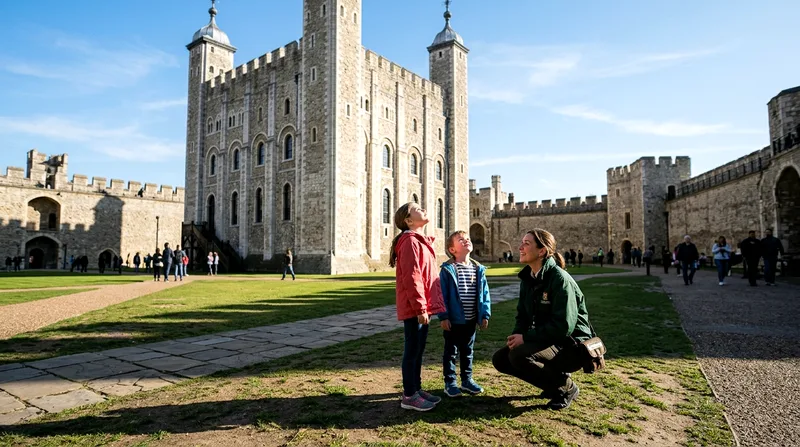
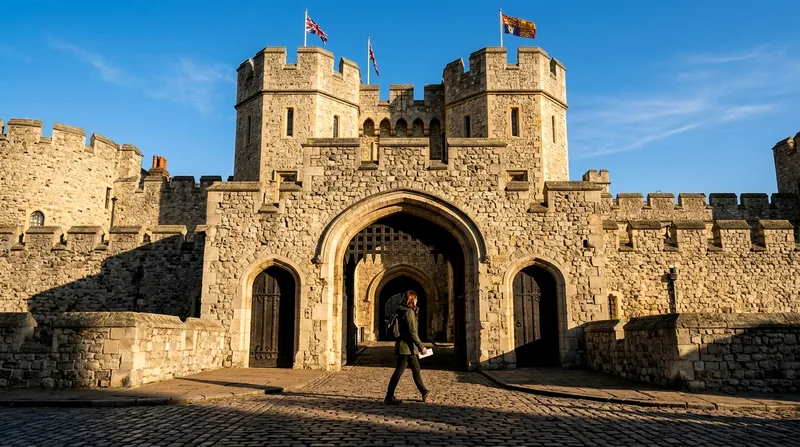
A typical two-to-three-hour black cab route can realistically cover Buckingham Palace, the Houses of Parliament and Westminster Abbey, St Paul's Cathedral, the Tower of London, and a swing past the London Eye and Borough Market — roughly six to eight stops with brief photo pauses rather than full visits. If you want to actually go inside Westminster Abbey or the Tower, you need to build separate time and tickets into your day; the cab tour is an orientation and photo-stop format, not an entry-ticket tour. Trying to cram in more than eight or nine stops in under three hours usually means rushing past places that deserve five minutes, which is a common complaint in reviews of over-packed itineraries.
What to Look for When Booking
Not all black cab tours are built the same, and the listing page rarely tells you everything that matters. Before you commit, read the fine print on what's included, not just the headline stops.
Inclusions, pickup and route customisation
Check whether hotel pickup and drop-off is included or charged separately — most central London hotel pickups are included, but tours starting from an address outside Zone 1 sometimes carry a surcharge. Confirm whether entry tickets to anywhere (the Tower of London, Westminster Abbey) are bundled in or whether the stop is strictly a photo pause from outside. If you have a worth seeing request — a specific street, a particular market stall, a detour to see Platform 9¾ or a film location — ask whether the route is customisable before paying; some providers offer a fixed "classic" route only, while others will happily build a bespoke itinerary around your interests for little or no extra cost.
Group size, duration and cancellation terms
Confirm the maximum passenger number for your specific cab — standard black cabs seat five, but some operators run larger vehicles branded as cabs that aren't the classic style, so ask directly if the iconic look matters to you. Check the cancellation policy carefully: London weather and traffic disruptions (a royal event, a marathon route closure) can force a reschedule, and you want to know whether you'll get a refund or just a date change. Avoid any listing that's vague about duration — "approximately" two to four hours is fine, but if a provider won't specify whether traffic delays eat into your tour time or extend it, ask before you pay.
When to Book Your London Taxi Tour
Book a private london taxi tour at least a week ahead for weekday slots, and two to three weeks ahead for weekends or anything during school holidays, Easter, or the run-up to Christmas, when demand for family-friendly sightseeing spikes. Early morning slots (before 9am) tend to have thinner traffic around Parliament Square and the Mall, which means more time at each stop rather than sitting in queues — worth requesting if you're flexible on start time.
Avoid booking the same morning as a major event — state visits, marathons, or the Notting Hill Carnival route closures can force last-minute rerouting that eats into your tour. If your trip coincides with one of these, check TfL's road closure notices or ask the operator directly before locking in a time. Compare current London taxi tour prices and reviews before you book, since availability and seasonal pricing shift, and cross-check recent feedback on TripAdvisor rather than relying solely on a provider's own testimonials.
Frequently asked questions
What makes a black cab tour different from other London tours?
The driver is a licensed cabbie who has passed The Knowledge, London's famously rigorous street exam, so the guiding comes from genuine route memory rather than a script or GPS. You also get a private vehicle for just your group, door-to-door, rather than sharing a coach or walking route with strangers.
How long does a private black cab tour last?
Most run two to four hours, covering six to eight major landmarks with brief photo stops. Shorter one-hour "taster" routes exist for a quick orientation, and longer half-day versions can add outer sights like Greenwich, but confirm exact duration with the operator since it varies.
How many people can fit in a private black cab tour?
A standard London black cab seats five passengers comfortably, occasionally six with a fold-down jump seat. Groups larger than that need two cabs or a different vehicle type — ask the operator directly if your party is six or more.
Can you customise the route on a black cab tour?
Many operators will adjust the route to prioritise specific landmarks or add a detour if you ask when booking, not on the day. Some only offer a fixed classic route, so check this explicitly before paying if customisation matters to you.
Are black cab tours suitable for families?
Yes — the flat floor, wide doors and small group size make them easier for young children and strollers than a coach or walking tour. Ask about car seats in advance, since most cabs don't carry them by default and UK law requires appropriate restraints for young children.