Cut the cost of a family trip with free things to do in London with kids: museums, parks and playgrounds to slot between paid attractions and stretch your budget.
Where Family Money Goes in London
London doesn't have to be the budget-wrecker people assume it is, but it will be if you let every day default to paid attractions. A family of four can burn through £200-£300 a day without trying hard — tickets, transport, lunch, and the inevitable gift shop stop. The good news: some of the city's best experiences for kids cost nothing at all, and slotting them between paid days is how experienced visitors keep the trip sane financially.
Biggest cost areas for families
Three things eat most family budgets in London: paid attraction tickets, transport, and food. A single entry to somewhere like the London Eye or Tower of London can run £25-£35 per adult, with child tickets only slightly cheaper — so a family of four hits £100+ before lunch. Transport adds up fast too if you default to taxis; the Tube and buses are far cheaper, and kids under 11 travel free on the Underground and buses when accompanied by an adult with a valid ticket. Food is the sneaky one — a sit-down lunch for four near a tourist attraction can easily top £50, compared to £15-£20 for a supermarket picnic in a park.
Why free stops balance paid days
The smartest family itineraries alternate: one paid headline attraction (the Natural History Museum's dinosaur gallery, say, or a London Eye ride), then a free afternoon in a park or museum to let kids run off energy without more spending. This isn't just about money — it's about pacing. Small children can't do two paid, ticketed, queue-heavy attractions in a day without a meltdown by 3pm. Free parks and museums give you flexibility to leave whenever you want, which paid timed-entry slots don't allow.
Free Museums That Keep Kids Busy
London's major museums dropped admission charges for their permanent collections, and that policy has held for decades — it's one of the city's genuine advantages over Paris or Rome, where most national museums charge entry even for core collections. You'll still see charges for special ticketed exhibitions, so check before assuming everything inside is free.
Big-name museums and what kids enjoy
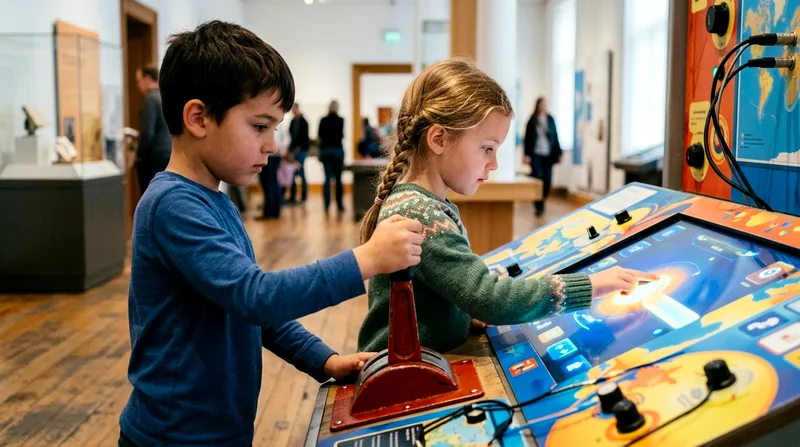
The Natural History Museum is the obvious first stop — the blue whale skeleton in the main hall and the animatronic dinosaurs reliably hold attention for hours, and it's free to enter (special exhibitions are ticketed separately). Next door, the Science Museum has hands-on galleries aimed squarely at kids, including interactive exhibits that let them operate machines rather than just look at them behind glass. The British Museum works better for kids aged 8 and up — the Egyptian mummies and the Rosetta Stone land well with that age group, but younger children tend to flag quickly in a museum built around glass cases and long labels. All three are free for general admission; donations are welcomed but never required.
Rainy day and toddler-friendly picks
For toddlers, skip the big three on a first visit and head to the Horniman Museum and Gardens in Forest Hill — it's smaller, free, and the aquarium plus the hands-on nature base are built for short attention spans. It also has gardens outside for when the museum itself gets too much. On a wet day, the Natural History Museum's ground floor galleries are a reliable fallback — they're covered, warm, and big enough to absorb a crowd without feeling like everyone in London had the same idea, which happens at smaller indoor spaces on rainy school holidays.
Free Parks, Playgrounds and Outdoor Fun
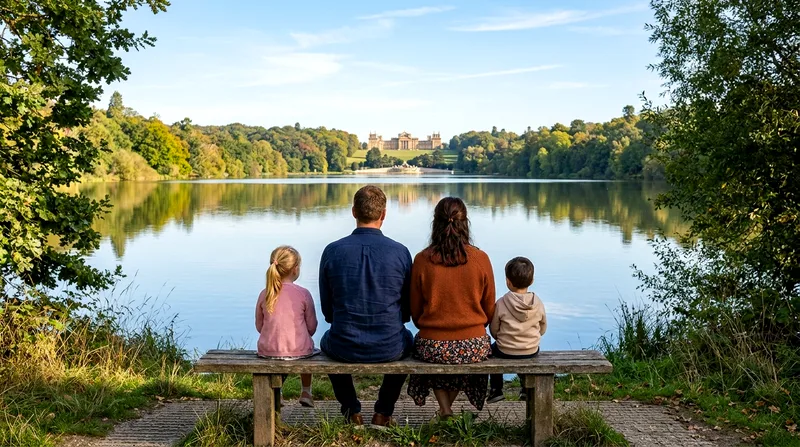
Good weather in London is not guaranteed, but when it shows up, the free playgrounds and parks are arguably better value than half the paid attractions in the city.
Match the activity to your child's age and the weather forecast rather than picking from a generic sightseeing list.
Free things to do in London with kids, compared by age and weather
| Activity | Best Age | Weather | Typical Visit Length | Crowd Level |
|---|---|---|---|---|
| Natural History Museum | 4 and up | Indoor, any weather | 2-4 hours | High, especially holidays |
| Science Museum | 6 and up | Indoor, any weather | 2-3 hours | High, especially holidays |
| Diana Memorial Playground | 2-10 | Outdoor, dry preferred | 1-2 hours | High, mornings best |
| St. James's Park | All ages | Outdoor, any weather | 1-2 hours | Moderate |
| Queen Elizabeth Olympic Park | All ages | Outdoor, any weather | 2-3 hours | Low to moderate |
| Hackney City Farm | 1-7 | Outdoor, dry preferred | 45-90 minutes | Low |
| Horniman Museum and Gardens | 1-8 | Indoor and outdoor | 2-3 hours | Low to moderate |
Crowd levels and visit lengths vary with school holidays and weather; check current hours before you go.
Playgrounds, farms and open spaces
The Diana Memorial Playground in Kensington Gardens is the best-known free playground in London, built around a pirate ship theme with sand areas and climbing structures — it gets busy in school holidays, so arrive before mid-morning if you want space to breathe. St. James's Park, right by Buckingham Palace, is calmer and better for a picnic with a pushchair, plus you can watch the pelicans near the lake at no cost. Queen Elizabeth Olympic Park in Stratford is underrated for families — it has a huge playground, splash fountains in summer, and open lawns, and it's less crowded than central London parks because most tourists don't bother making the trip east. For something different, Hackney City Farm is free to enter and lets kids see pigs, goats and chickens up close — a genuinely good option for toddlers who are too young for museums but need something more than a swing set.
Free markets and cultural landmarks
Wandering a market costs nothing if you resist buying everything in sight — Borough Market and Camden Market are loud, smell-heavy, sensory experiences that most kids over 5 find more interesting than adults expect. The Southbank Centre area along the Thames is free to walk through and usually has street performers, a skate park to watch, and riverside views of St Paul's Cathedral and the Shard without paying for a single attraction. Watching the Changing of the Guard outside Buckingham Palace is also free, though go in with low expectations if your kids are under 6 — it's mostly standing and waiting, and shorter children often can't see over the crowd.
Smart Ways to Save on Paid Attractions
Free days only get you so far — most families still want the London Eye, a boat trip, or Warner Bros. Studio Tour at some point, and that's fine. The trick is not paying full freight for every single one.
Kids-go-free deals, combo tickets and passes
Multi-attraction passes like the Merlin London Attractions Pass bundle entry to several paid sites — typically including Madame Tussauds, the London Eye, SEA LIFE London, and others — into one ticket, which can work out cheaper than buying separately if you're genuinely planning to visit three or more of the included attractions in a short window. It's a bad deal if you only want one or two of them; do the math against individual ticket prices before buying, since passes only pay off when you actually use most of the inclusions. Some individual attractions also run "kids go free" style offers tied to online booking or specific dates — these change, so check the attraction's own site for current terms rather than relying on a travel blog's claim.
Booking early and off-season timing
Booking tickets online in advance is almost always cheaper than paying on the day at the door — this is standard practice now at the London Eye, Tower of London, and most ticketed sites, and walk-up prices are set deliberately higher to push people online. Visiting outside the February half-term, Easter, and summer holiday weeks also means shorter queues and sometimes lower prices on flexible-date tickets. Compare that to Amsterdam or Dublin, where family attractions are often smaller and less crowded year-round — London's scale means timing your visit around UK school holidays matters more here than in most European capitals.
What Not to Skimp On
Saving money shouldn't mean cutting corners that make the trip miserable. There are two areas where I'd tell any family not to go cheap.
Transport, food breaks and pacing
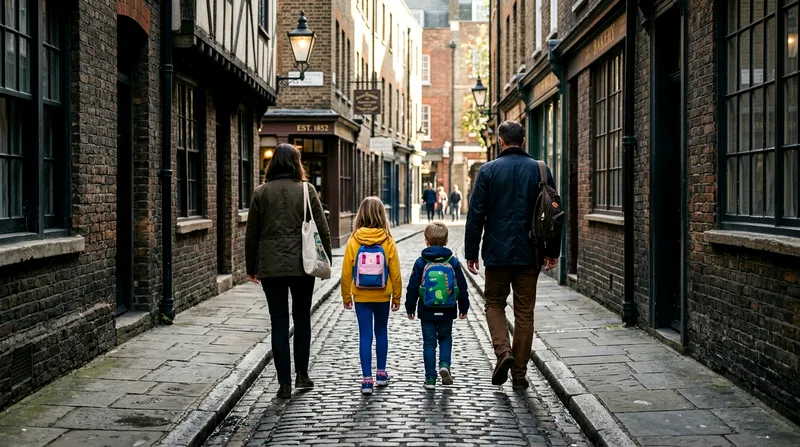
Don't try to save money by walking everywhere with young kids — London is bigger than Edinburgh or Brussels, and a "quick walk" from the British Museum to the Tower of London is actually over an hour on foot. Buy an Oyster card or use contactless payment on the Tube and buses; fares are capped daily, and kids under 11 ride free with an adult. Also don't skip proper food breaks to save a few pounds — a hungry, tired 6-year-old at 2pm will cost you more in meltdown-related delays than a £12 lunch would have. Budget for one sit-down meal a day and picnic the rest.
Child safety and comfort
Don't economize on things like a proper pushchair-friendly route plan or waterproof layers — London weather turns fast, and a soaked, cold toddler ends a day early regardless of how much you saved on museum tickets. If you're renting a pushchair or carrier instead of bringing your own, check it works on the Tube, since not every station has step-free access; Transport for London publishes an accessibility map worth checking the night before.
Family Budget Booking Checklist
Before you lock in dates, run through a short checklist: which 2-3 paid attractions matter most to your kids specifically (not just to you), whether a multi-attraction pass covers enough of them to be worth it, which free museums and parks sit near your accommodation, and whether your travel dates overlap with UK school holidays, when prices and crowds both rise. Map your week so free and paid days alternate rather than clustering all the paid attractions into the first three days out of excitement, which is a common mistake that leaves families exhausted and broke by day four. Compare current prices and pass options before you book anything — ticket prices and combo deals shift, and what was accurate last season may not be now.
Frequently asked questions
Which museums in London are free for children?
The Natural History Museum, Science Museum, British Museum, and Horniman Museum and Gardens are all free for general admission, including for children — this covers their permanent collections. Special or touring exhibitions inside these museums sometimes carry a separate ticket price, so check the specific exhibition before assuming the whole visit is free.
What are the best free parks for kids in London?
St. James's Park suits toddlers and pushchairs with calm paths and a lake with pelicans. The Diana Memorial Playground in Kensington Gardens is better for kids aged 2-10 who want climbing structures and sand play. Queen Elizabeth Olympic Park in Stratford has more space and fewer crowds, plus splash fountains in warmer months.
Where can I take my toddler in London for free?
Hackney City Farm and the Horniman Museum and Gardens both work well for toddlers — short visit lengths, hands-on elements, and outdoor space if they need to run. St. James's Park and Queen Elizabeth Olympic Park are good pushchair-friendly outdoor options when the weather holds.
How can I save money on family activities in London?
Alternate paid attraction days with free museum and park days, book paid tickets online in advance rather than at the door, use the Tube and buses instead of taxis (kids under 11 ride free with an adult), and check whether a multi-attraction pass like the Merlin London Attractions Pass genuinely covers enough sites to beat buying tickets separately.
What free things can I do with a 5 year old in London?
A 5-year-old does well at the Natural History Museum for the dinosaur skeletons, the Diana Memorial Playground for climbing and sand play, and Hackney City Farm for animals up close. Avoid the British Museum at this age — the exhibits are less hands-on and tend to lose younger children quickly.