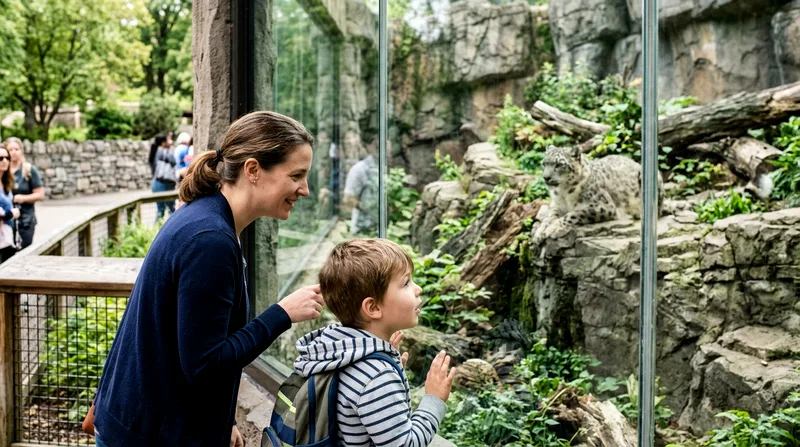
Plan a family day at London Zoo with tips on tickets, prices, online savings, animal experiences, best times to visit and nearby Regent's Park add-ons.
Why Visit London Zoo
London Zoo sits inside Regent's Park, one of London's eight Royal Parks, and it has been open since 1828 — making it the oldest scientific zoo in the world. That's not a marketing line; it's the reason the site still feels different from newer safari-style parks. The layout is a patchwork of Victorian and modern buildings, with Grade I and Grade II listed structures like the Penguin Pool and the old Reptile House sitting next to contemporary habitats such as Land of the Lions.
What makes it worth the entry price, in my view, is the conservation work behind it rather than the spectacle. The zoo is run by ZSL (the Zoological Society of London), a conservation charity that also operates Whipsnade Zoo in Bedfordshire. Ticket revenue funds breeding programmes and field conservation projects, so you're not just watching animals — you're partly funding research into species like the Sumatran tiger and the Bactrian camel, both kept on site.
I'd be honest with you about the trade-off: London Zoo is smaller than Whipsnade, and some enclosures, particularly older ones, show their age despite renovation. If you want vast, open-plain habitats, Whipsnade's drive-through safari sections do that better. London Zoo's strength is density and variety within a compact, walkable footprint — useful if you're also trying to see central London in the same trip.
History and conservation mission
London Zoo opened to scientific fellows in 1828 and to the general public in 1847, originally as a research collection rather than an entertainment venue. That scientific identity has never really gone away — ZSL still runs active research alongside the public zoo, and some enclosures double as breeding facilities for endangered species. The zoo has phased out larger animals that don't suit the space, notably elephants, which moved to Whipsnade decades ago. If conservation messaging matters to you, look out for the information panels near the tiger and gorilla enclosures, which explain specific ZSL field projects rather than generic facts.
Highlights and key animal species
Expect to see Sumatran tigers, western lowland gorillas, Asiatic lions in the Land of the Lions exhibit, penguins, reptiles, and a large walk-through butterfly house (seasonal). The children's zoo area lets younger kids get close to goats and smaller farm animals. Don't expect big cats roaming large savannah-style plots — this isn't Whipsnade or a safari park, and some visitors on TripAdvisor note the gorilla and tiger enclosures feel modest compared with newer international zoos. That's a fair criticism; the compensation is proximity and the sheer number of species packed into a few hours of walking.
Getting to London Zoo
London Zoo sits on the northern edge of Regent's Park, and how you get there shapes how smooth your morning feels. There's no on-site car park for casual visitors, which surprises some first-time drivers, so public transport or walking is almost always the better option.
Public transport and walking routes
The nearest Underground stations are Camden Town and Regent's Park, both roughly a 15-minute walk away. Camden Town (Northern line) drops you near Camden Market and the Regent's Canal towpath, which makes for a pleasant walk along the water straight to the zoo's back entrance — genuinely one of the nicer approaches in London, in my opinion, especially in spring. Regent's Park station (Bakerloo line) is slightly closer by distance but the walk through the park itself is less direct. Bus routes 274 and C2 stop close to the main gate if you'd rather avoid walking altogether, which is worth considering with a stroller.
Accessibility and parking
Step-free access is available throughout most of the zoo, and wheelchairs and mobility scooters can usually be booked in advance through ZSL directly — check availability before you travel since numbers are limited. There is a small amount of pay-and-display parking on nearby roads such as Outer Circle, but spaces are limited and expensive for a full day. If you're driving from outside London, it's more practical to park at an Underground station further out and take the train in, rather than circling Regent's Park looking for a space.
London Zoo Tickets and Price Tips
London Zoo ticket pricing is tiered by date — prices are higher on weekends and during school holidays, lower on winter weekdays. Adult tickets typically run higher than many assume, with children's tickets priced lower and under-threes usually free, though exact bands change periodically. Rather than quote figures that go stale, I'd point you to the official ZSL website before booking, since that's the only source that reflects current pricing and any seasonal offers.
Booking a timed online ticket in advance is almost always cheaper and faster than paying at the gate, regardless of which ticket type you choose.
London Zoo visit options compared by cost, time and best use
| Ticket/Visit Type | Typical Cost Level | Best For | Booking Lead Time |
|---|---|---|---|
| Standard adult online ticket | Moderate | Solo or couple visits | Book same week |
| Family ticket (2 adults + children) | Moderate per person | Families with 2+ kids | Book a few days ahead |
| Annual ZSL membership | Higher upfront | Repeat visitors, also covers Whipsnade | Buy anytime |
| Gate (walk-up) ticket | Highest | Last-minute, off-peak weekdays only | None, but risk of queues |
| Combined ticket with animal experience | Higher | Keen wildlife fans wanting extras | Book 1-2 weeks ahead |
Typical cost tiers only; check ZSL's official site for current prices before booking.
Saving with online booking and offers
Booking online in advance is consistently cheaper than paying at the gate — this is standard practice now across most major UK attractions, and London Zoo is no exception. You select a timed entry slot, which also avoids the queue that builds on weekend mornings. If you're a London resident, ZSL sometimes offers local discounts; annual membership is worth comparing against single-visit pricing if you're planning more than two visits a year, since membership also covers Whipsnade Zoo. Avoid buying from third-party resale sites — stick to ZSL's own booking page or well-known attraction-ticket platforms to avoid inflated markups.
Ticket types and family options
Family tickets (typically structured as two adults plus children, or one adult plus children) usually work out cheaper than buying separate adult and child tickets, so check that option first. Some combined tickets bundle London Zoo with other attractions or with specific animal experiences — these can be good value if you actually want the add-on, but skip them if you're only there to walk the grounds, since you'll pay for access you won't use.
Animal Experiences Worth Planning Around
The daily schedule of keeper talks is, honestly, the best free value in the whole visit — these aren't scripted tourist shows but short, specific sessions where keepers explain real husbandry and conservation work. Check the schedule board near the entrance when you arrive, since timings shift seasonally and missing one means waiting for the next slot.
Keeper talks and feeding sessions
Talks typically run at penguin feeding, the lion enclosure, and the gorilla kingdom, each lasting 10-15 minutes. Arrive five to ten minutes early for anything penguin-related — it's the most popular slot with young kids and the viewing area fills up fast. These sessions are included in standard admission, so there's no reason to skip them; build your route around the schedule rather than treating it as background noise.
Walk-through exhibits and paid experiences
Walk-through exhibits like the butterfly house and the lemur enclosure let you get genuinely close to animals without a cage line, and kids tend to remember these more than anything behind glass. ZSL also offers paid "experience" add-ons — such as small-group keeper encounters — booked separately and in limited numbers. These cost extra on top of admission and need booking well ahead, sometimes weeks, so decide early if it's a priority rather than hoping to add one on the day.
Planning a Full Day with Young Kids
Treat London Zoo as a four-to-five-hour visit, not a quick stop — it's larger and hillier than the map suggests, and small legs tire faster than adults expect. Compare that to a half-day at the British Museum or Natural History Museum: those let you leave whenever you've had enough, while the zoo's layout means backtracking to the entrance takes real time.
Sample family itinerary
Arrive at opening (quietest period) and head straight for penguins before the first crowd arrives. Mid-morning, catch a keeper talk, then work through the walk-through exhibits like the butterfly house while energy is still high. Break for lunch around midday — before the on-site cafés get a queue — then use the afternoon for slower-paced areas like the children's zoo and reptile house, finishing with Land of the Lions before you leave. This order front-loads the popular, busy exhibits and saves lower-energy activities for when kids are tired.
Food, rest stops and facilities
There are several café and kiosk points around the grounds, plus picnic areas if you'd rather bring food — a real saving given that zoo catering, like most UK attraction catering, is priced at a premium. Baby-changing facilities and buggy-friendly paths are available throughout, though some older sections have gravel paths that are tougher going with a stroller. My honest complaint: seating near the busiest exhibits (gorillas, lions) is limited, so if you need a proper rest stop, head toward the picnic lawns rather than fighting for a bench near the enclosures.
Best Time to Visit and Nearby Add-ons
Weekday mornings outside school holidays are consistently the quietest time to visit — arrive at opening and you'll often have the first hour nearly to yourself in the far corners of the zoo. Weekends and UK school holidays bring noticeably bigger crowds, particularly around half-term weeks, and queues for popular talks lengthen accordingly.
Seasons, weekdays and crowd levels
Spring and early autumn offer the best balance of decent weather and manageable crowds — summer school holidays are busiest and hottest, with little shade in some open-air sections. Winter visits are genuinely underrated: fewer people, and many indoor exhibits (reptile house, insect house) stay just as engaging regardless of weather. If you've got flexible dates, a Tuesday or Wednesday in October or March beats any summer Saturday by a wide margin.
Regent's Park and Camden nearby
Regent's Park itself is worth extending the day for — boating lake, rose gardens, and wide lawns for kids to burn off energy after hours of walking. Camden Town, a 15-minute walk south along Regent's Canal, has Camden Market for food stalls and browsing, though it gets crowded and can feel overwhelming after a full zoo day with tired kids. If you'd rather unwind, a short canal walk back toward Little Venice is quieter than fighting through Camden's market crowds.
Frequently asked questions
Is London Zoo worth visiting?
Yes, particularly for families and anyone interested in conservation — it's compact, historically significant as the world's oldest scientific zoo, and the keeper talks add real educational value. It's less impressive than Whipsnade for open-space habitats, so weigh that if large enclosures matter more to you than variety and density.
How long does it take to go round London Zoo?
Budget four to five hours for a proper visit with kids, including keeper talks, walk-through exhibits and a lunch break. A fast adult-only pace without stopping for talks could cover it in two to three hours, but you'll miss most of what makes it worthwhile.
How can I get cheaper tickets for London Zoo?
Book online in advance through the official ZSL website rather than paying at the gate — advance tickets are consistently cheaper and include a timed entry slot that skips queues. Visiting on a winter weekday, choosing a family ticket bundle, or buying annual membership if you'll visit more than twice a year can all reduce the per-visit cost further.
What animals can you see at London Zoo?
Highlights include Sumatran tigers, western lowland gorillas, Asiatic lions in Land of the Lions, penguins, reptiles, butterflies in the walk-through house, and smaller farm animals in the children's zoo. It doesn't keep elephants or large safari-style herds — those are at ZSL's sister site, Whipsnade Zoo, instead.
How do I get to London Zoo?
The easiest route is the Underground to Camden Town or Regent's Park station, followed by a roughly 15-minute walk — the Camden Town approach along Regent's Canal is the more scenic option. Buses 274 and C2 stop near the main gate, and driving is discouraged since there's no dedicated visitor car park on site.