Compare Abbey Road Beatles tours in London, from walking tours to private guides. See who each suits, what to check before booking and when to reserve.
Which Beatles Tour Suits You?
Every search for an abbey road beatles tour london turns up a mix of products — some built entirely around the zebra crossing, others that treat it as one stop among a dozen. The right choice depends less on budget than on how deep your interest runs. Someone who wants a selfie on the crossing and a decent story about the album cover needs a different tour than someone who can name all four Savile Row rooftop songs.
Abbey Road itself sits in St John's Wood, a quiet residential stretch about 20 minutes by Tube from central London (nearest station: St John's Wood, on the Jubilee line). That distance matters. A tour confined to Abbey Road alone is short and self-contained; a tour that also covers Marylebone, Mayfair and Soho will run three to four times longer and involve far more walking.
First-time visitors and casual fans
If you know "Come Together" and the album cover but couldn't name the engineer who worked the desk, go for a shorter, central London Beatles walk that includes Abbey Road as one stop rather than the entire itinerary. These tours typically run two to three hours, cover a few key Beatles-related addresses, and give enough context without assuming prior knowledge. They're a reasonable one-off add-on to a London itinerary that also includes something like a Thames river cruise or a West End show — not a full day commitment. Avoid anything billed as "Abbey Road only," since on its own the crossing takes ten minutes to see properly and doesn't justify a dedicated half-day booking unless paired with other stops.
Dedicated fans and music history buffs
For genuine fans, a private guided tour or a specialist walking tour led by someone with real Beatles research behind them is worth the extra cost. Richard Porter, who has guided Beatles tours in London for decades and literally wrote the guidebook on Beatles London locations, represents the kind of expertise this category offers — look for guides with that level of depth rather than general city guides who've added Beatles content to their repertoire. These tours run longer, often three to four hours, and dig into specifics: which takes from the Abbey Road sessions, the Savile Row rooftop performance's final details, and lesser-known addresses tied to individual band members.
Main Beatles and Music Tour Types
Tours marketed around the Beatles in London generally fall into a few distinct categories, and conflating them is the most common booking mistake. Knowing the category tells you more about what you'll actually experience than any marketing copy.
Abbey Road-focused walks
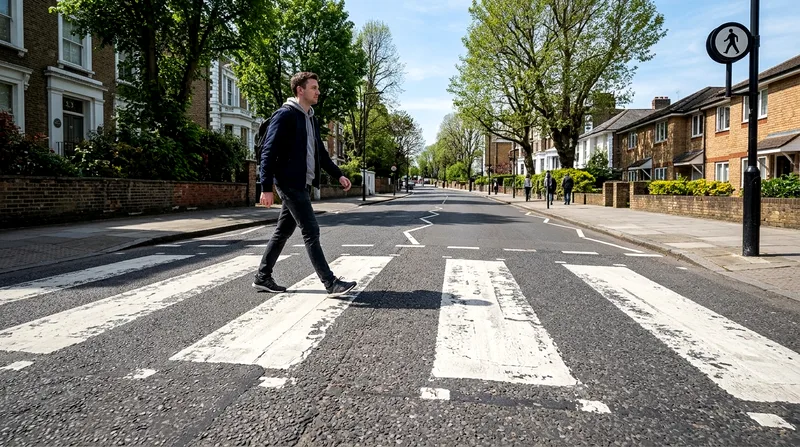
These center on St John's Wood: the zebra crossing, the exterior of Abbey Road Studios (still a working studio — you view it from outside, you don't go in), and the graffiti-covered wall outside. Some extend slightly into nearby streets with Beatles-adjacent trivia. Expect one to two hours including crossing photos, and expect to share the crossing with other tourists — it's a public road with real traffic, not a cordoned attraction. This category suits people with limited time who specifically want the iconic image and don't need the wider biography.
Soho and rock and roll history walks
A different category skips Abbey Road almost entirely and instead walks Soho and Marylebone, covering the Beatles alongside the Rolling Stones, David Bowie and other acts tied to London's music clubs and studios. Paul McCartney's old Soho connections — he lived and worked in the area during the band's most productive years — come up often on these routes. If you're more interested in London's rock and roll history broadly rather than the Beatles specifically, this is the better fit; it's a genuine london music tour rather than a Beatles pilgrimage. The trade-off: you likely won't see Abbey Road at all unless the operator has built in a detour, so check the stop list before booking.
Abbey Road Tours Compared
Once you've settled on wanting Abbey Road specifically, the next decision is format: group tour, private guide, or no guide at all.
Abbey Road-only walks are short and photo-focused, while wider Beatles or rock history tours trade crossing time for deeper context across London.
London Beatles tour categories compared: duration, focus and who they suit
| Tour Category | Typical Duration | What's Included | Best For |
|---|---|---|---|
| Abbey Road-focused walk | 1-2 hours | Crossing, studio exterior, graffiti wall | Short visits, photo priority |
| Central London Beatles walk | 2-3 hours | Abbey Road plus Marylebone/Mayfair sites | First-time fans, casual interest |
| Wider rock and roll history walk | 2-3 hours | Soho clubs, Bowie/Stones/Beatles sites | Broader music history interest |
| Private guided Beatles tour | 3-4 hours, flexible | Custom route, Abbey Road, Savile Row | Families, dedicated fans, flexible pacing |
| Self-guided Abbey Road visit | 20-40 minutes | Crossing and wall only, no narration | Budget travelers, independent types |
Durations and inclusions vary by operator; always check the current itinerary and reviews before booking.
Group vs private guided tours
Group beatles walking tours london operators run are the cheapest way to get expert narration, typically moving in clusters of eight to twenty people. You'll hear good stories, but you won't set the pace, and photo opportunities at the crossing get rationed among the group. Private tours cost noticeably more but let you linger at 3 Savile Row or the studio wall as long as you like, and you can tailor the route — more Marylebone, less Soho, or vice versa. For a family with restless kids, private is usually worth it; for solo travelers happy to blend into a group, it's an unnecessary expense.
Self-guided visits to the zebra crossing
You don't need a tour at all to see Abbey Road. The crossing and studio wall are free, public, and accessible any time — take the Jubilee line to St John's Wood, walk five minutes, and you're there. What you lose without a guide is context: no stories about which Beatle insisted on which take, no pointing out the exact spot photographer Iain Macmillan stood on for the 1969 album cover shot, no mention that the crossing has since been Grade II listed for its cultural significance. Self-guided works fine for casual fans; dedicated ones will feel like they missed half the story.
What to Check Before Booking
Beatles tours are low-risk bookings compared to, say, a multi-day trip to Edinburgh or a flight-inclusive package, but a few details still separate a good experience from a frustrating one.
Inclusions, group size and tour length
Read the stop list literally — "Beatles tour" can mean six stops or sixteen. Check whether 3 Savile Row (the rooftop concert site, now Abercrombie & Fitch's old flagship building, viewed from the street) is included, since some shorter tours skip Mayfair entirely. Group size matters more than most people expect: a tour capped at ten feels personal, one with thirty feels like crowd management. Cross-reference details on TripAdvisor and Viator listings, where recent reviews usually mention actual group size and pacing rather than just the marketing description.
Cancellation terms and meeting points
London weather is unpredictable enough that free cancellation up to 24 hours before the tour is worth prioritizing over a slightly cheaper non-refundable rate. Confirm the meeting point precisely — "St John's Wood station" sounds specific but has two exits, and missing a walking tour's start because you came out the wrong side is a common complaint in reviews. For private tours, confirm whether the guide meets you at your hotel or a fixed point; hotel pickup is more convenient but sometimes adds a surcharge.
When to Book and Visit
Timing affects both availability and how good your Abbey Road photos turn out.
Booking lead times by season
Summer (June through August) and school holiday weeks are when group Beatles walks and private guides both sell out fastest, particularly on weekends — book two to three weeks ahead if you have specific dates. Shoulder months like April, May, September and October see lighter demand, and you can often book a group tour just a few days out. Winter is the easiest season for availability, though December afternoons get dark early, which cuts into usable daylight for the Soho and Marylebone routes.
Quieter times for crossing photos
Abbey Road's crossing is a functioning road with real traffic, and it gets busy with tourists from mid-morning onward. Early morning, ideally before 9am, is when you'll get a clear shot without ten strangers mid-stride beside you. Guided tours rarely run that early, so if the perfect photo matters more than the guided context, consider a quick self-guided visit at opening hours, then book a separate afternoon walking tour for the fuller story. Mind the traffic — cars do stop for pedestrians by custom, but it's not a pedestrian-only zone, and standing in the road for a long photo session is both rude to drivers and genuinely risky.
Frequently asked questions
Can you visit Abbey Road Studios?
Not inside — Abbey Road Studios is a working recording studio, not a museum, and there's no public access to the interior. Visitors see the exterior, the low wall covered in fan graffiti, and the famous crossing just outside. A small gift shop near the studio sells related merchandise, but studio tours inside are not generally available to the public.
How long is a typical Beatles tour in London?
Abbey Road-only walks run one to two hours. Central London Beatles walks covering Marylebone, Mayfair and St John's Wood typically run two to three hours. Private tours flex longer, often three to four hours, since pace and stops are negotiable with the guide.
Do Beatles tours in London include Abbey Road?
Most do, but not all — wider rock and roll history walks focused on Soho sometimes skip Abbey Road since it's a 20-minute Tube ride from central London. Always check the stop list before booking if the crossing is a worth seeing for you.
What other Beatles sites are in London?
Beyond Abbey Road, the main stop is 3 Savile Row in Mayfair, where the Beatles played their final live performance on the rooftop in January 1969. Soho holds several clubs and addresses tied to the band's early London years and to Paul McCartney's time living in the area.
What is the best time to visit the Abbey Road crossing?
Before 9am on a weekday gives the clearest crossing and the fewest other tourists in your shot. Weekends and afternoons draw the biggest crowds, and traffic on the road is constant throughout the day, so plan your photo attempt with some patience either way.