Compare Cotswolds tours from London: small group, private and coach options, which villages each stops in, what to check when booking, and when to go.
Why a Tour Beats Public Transport
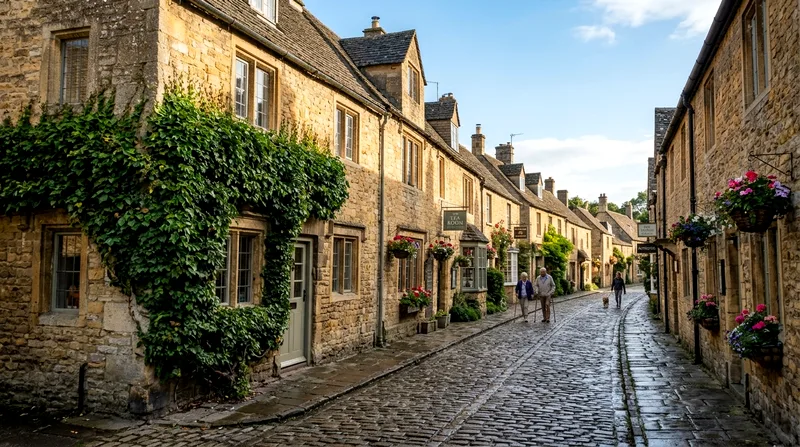
The Cotswolds isn't one place — it's roughly 800 square miles of limestone villages scattered across Gloucestershire, Oxfordshire and parts of Wiltshire, with no single rail line or bus route connecting the ones people actually want to see. That's the core problem anyone researching a Cotswolds tour from London runs into. You can reach the edges by train, but the villages with the honey-coloured cottages and river walks you've seen in photos — Bibury, Castle Combe, Lower Slaughter — sit well off the rail network, often ten or twenty minutes' drive from the nearest station, with patchy local bus service that may run four times a day, if at all.
A tour solves the geography problem in one booking. You get door-to-door routing between four or five villages that would otherwise require multiple trains, a taxi, and a lot of waiting at request stops. For a day trip from London specifically, this matters more than it might in a destination with better infrastructure — compare it to a day trip to Bath, which has a direct train under 90 minutes from Paddington, or Oxford, 60 minutes from Marylebone. Neither needs a tour to be workable. The Cotswolds, as a cluster of small places rather than one town, does.
Train, bus and self-drive limits
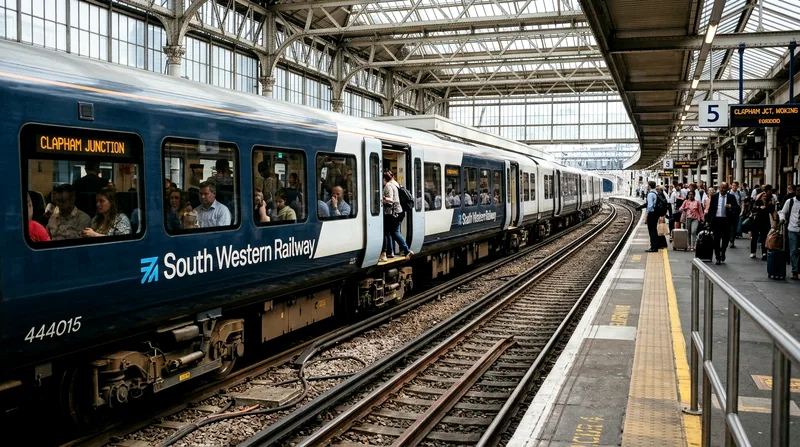
The nearest useful stations are Moreton-in-Marsh and Kingham, both around 90 minutes from London Paddington, but you'll still need a taxi or pre-booked car from there to reach most villages — there's no station in Bibury, Bourton-on-the-Water or Castle Combe. Self-driving gives you flexibility but adds real stress: narrow lanes, limited village parking (some fill by mid-morning in summer), and the fact that you're navigating unfamiliar roads instead of looking at the scenery. Renting a car in London also means dealing with the congestion charge zone and driving on the left if you're not used to it — a bigger ask than it sounds for first-time UK visitors.
Time and stress saved on a day trip
A organised tour typically runs 10 to 12 hours door-to-door from central London, with pickup around 7:30–8am and return by 7–8pm. That sounds long, but most of it is efficient: a coach or minibus covers 90-plus miles of round-trip driving while you doze, read, or chat, rather than you tracking train connections. The trade-off is you don't control the pace — if a village captivates you, you still leave when the group leaves. For many travellers, especially those with only one UK trip and a packed itinerary, that's a fair exchange for not having to plan transfers.
Who Each Type of Tour Suits
Not every traveller wants the same thing from a day in the Cotswolds, and tour operators have built products around that split. Broadly, you're choosing between an efficient, sociable group experience and a slower, more flexible one — and the honest answer is that most first-time visitors are happiest in the middle ground of a small group tour, not the cheapest coach option or the most expensive private car.
First-timers, couples and families
If this is your only Cotswolds visit, a small group minibus tour (typically 8 to 16 seats) hits the right balance: enough structure to see 4-5 villages without logistics headaches, small enough that you're not queuing behind 50 people for the same photo spot in Bourton-on-the-Water. Families with children under 10 should check whether a tour includes extended free time or just quick photo stops — kids tend to do better with one longer stop (an hour in Bourton by the river) than five rushed 20-minute ones. Couples celebrating an occasion often prefer private tours for the flexibility to linger over lunch in Stow-on-the-Wold without a group waiting.
Photographers and slower-paced travellers
Anyone wanting good light for photos — early morning in Bibury before coach groups arrive, or golden hour in Castle Combe — is poorly served by standard group tours, which run on a fixed schedule set by what suits the bus, not the sun. A private Cotswolds tour from London with a flexible start time, or one built around fewer, longer stops, works far better. Senior travellers who want to avoid long walks between parking and village centres should also lean private or small group, since drivers can usually set down closer to the centre than a full-size coach can manage.
Cotswolds Tour Types Compared
Three formats dominate the market for a Cotswolds day trip from London: large coach tours, small group minibus tours, and private car or minivan tours. A fourth variant — combination tours pairing the Cotswolds with Bath, Oxford, or even Stonehenge — cuts across all three formats and deserves separate thought, because it changes how much time you actually spend in Cotswolds villages themselves.
Small group minibus tours offer the best balance of cost and flexibility for most first-time visitors, while private tours suit those prioritising pace over price.
Cotswolds tour from London: coach, small group, private and combination tours compared
| Tour type | Typical group size | Villages per day | Flexibility | Best for |
|---|---|---|---|---|
| Large coach tour | 30-50+ | 2-3 | Low | Budget-conscious groups, last-minute booking |
| Small group minibus | 8-16 | 4-5 | Medium | First-timers, couples, families |
| Private car/minivan | 1-6 | Flexible, 3-6 | High | Photographers, seniors, special occasions |
| Combination tour (with Bath/Oxford/Stonehenge) | 8-50 depending on format | 1-2 Cotswolds villages | Low-Medium | Travelers short on time wanting multiple destinations |
Group sizes and stop counts vary by operator and season; confirm the exact itinerary and village list before booking.
Coach vs small group vs private
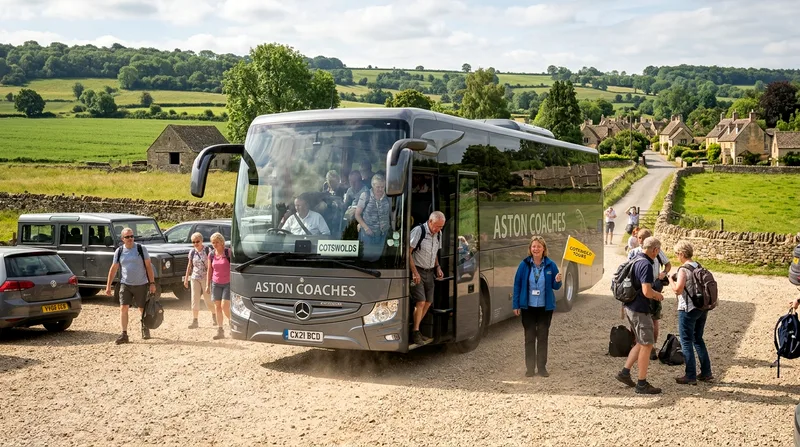
Coach tours (30-50+ seats) are the cheapest per person and easiest to book last-minute, but you'll spend more time waiting for the group to reassemble and less time actually walking around — a coach can't pull into the centre of Bibury, so expect a longer walk from parking. Small group minibus tours occupy the middle ground: fewer stops feel rushed, guides can answer questions properly, and you're not waiting on 40 other people. Private tours cost the most per person (unless you're splitting between 4-6 people, where the gap narrows) but let you set the pace, skip a village you don't care about, and add extra time somewhere that interests you. My honest take: unless budget is the only factor, skip the large coach option — the time lost getting on and off, and the crowds it travels with, undercut the savings.
Cotswolds-only vs combination tours with Bath, Oxford or Stonehenge
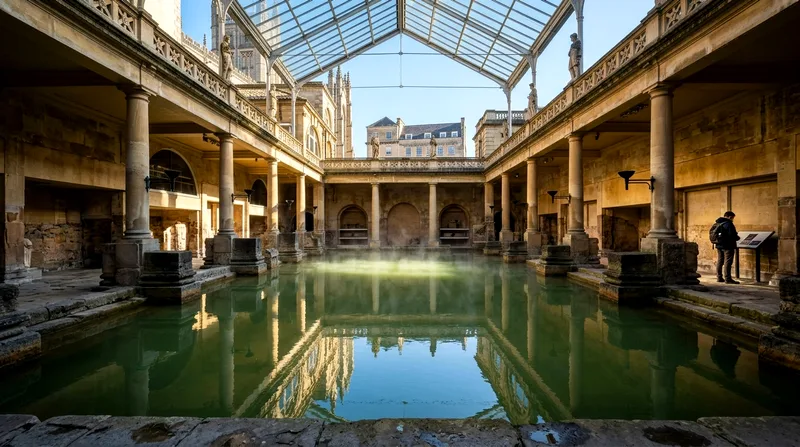
Combination tours bundle the Cotswolds with Bath's Roman Baths, Oxford's colleges, or Stonehenge, often as a long single day or a two-day package. They're efficient on paper — three destinations, one booking — but the arithmetic rarely works in the Cotswolds' favour. Add Stonehenge and Bath to a single day, and you might get 90 minutes total in one or two Cotswolds villages, barely enough for photos and a coffee. If the Cotswolds is your priority, choose a Cotswolds-only or Cotswolds-plus-Oxford tour, since Oxford's compact centre adds less driving time than Bath or Stonehenge. If you genuinely want all four in one UK trip, a two-day combination tour with an overnight in Bath or Oxford gives each place more room to breathe.
Which Villages Tours Actually Visit
"Cotswolds tour" is a loose label, and two tours with that exact name can visit almost entirely different villages. Before booking, check the specific stop list — it matters more than the tour's overall rating, because a beautiful village you never actually see doesn't count for much.
Bibury, Burford and Bourton-on-the-Water
These three show up on the majority of itineraries, and for good reason. Bibury, home to the much-photographed Arlington Row cottages, is small enough to cover in 30-45 minutes but gets crowded by late morning — an early stop here is worth prioritising when comparing tours. Burford, often called the gateway to the Cotswolds, has a long sloping high street with shops and cafes, suited to an hour-long stop with some free time. Bourton-on-the-Water, nicknamed the "Venice of the Cotswolds" for its shallow river crossed by low stone bridges, is the most visited and most commercial of the three — fine for families needing toilets, food and ice cream, less appealing if you want a quiet village feel.
Lower Slaughter, Stow-on-the-Wold and Castle Combe
Lower Slaughter appears on fewer itineraries but rewards those it does — smaller crowds, a working mill, and a genuinely quiet riverside walk. Stow-on-the-Wold, sitting higher up with a market square and antique shops, suits a lunch stop better than a quick photo stop. Castle Combe, further south and sometimes used as a film location, often appears only on tours that also cover Bath, since it sits closer to that route. If a specific village matters to you — Castle Combe for its untouched high street, say — search the tour description for it by name rather than assuming "Cotswolds villages tour" guarantees it. Some tours also detour to Blenheim Palace near Woodstock, which adds a grand house and gardens but eats 2-3 hours that would otherwise go to villages.
What to Check Before Booking
Tour listings are written to sound appealing, and the gap between "visits five Cotswolds villages" and what you actually experience can be wide. A few checks before booking save real disappointment on the day.
Inclusions, group size caps and free time in villages
Confirm whether lunch is included or just a stop with free time to buy your own — many tours list "lunch stop" without covering the cost, which matters if you're budgeting precisely. Check the stated maximum group size against what's actually described: "small group" without a number sometimes means 25, not 12. Look for how much free time is allotted per village — 20 minutes in Bibury is a photo stop, not a visit; 45-60 minutes lets you actually walk the village and get a coffee. Entry to sites like Blenheim Palace is often optional and charged separately, so check whether the quoted price includes it or just transport there.
Cancellation terms, pick-up points and accessibility
Most reputable Cotswolds day trips from London offer free cancellation up to 24 hours before departure — treat anything stricter as a red flag unless the price is unusually low. Check the pickup point: central locations near Victoria, Paddington or Baker Street are common, but some budget tours use a single meeting point requiring you to travel across London first. If you or someone in your group has mobility needs, ask directly about step access to the vehicle and how much walking each village stop involves — Cotswolds villages have narrow pavements and cobbled sections that aren't wheelchair-friendly, and tour descriptions rarely spell this out clearly.
When to Book Your Cotswolds Tour
May through September gives you the longest daylight and the best odds of good weather, but it's also when Bourton-on-the-Water and Bibury are at their most crowded — arrive-by-coach tours in August can mean shuffling past tour groups from several buses at once. Shoulder months, April and October, offer a reasonable trade: decent weather odds, noticeably thinner crowds, and the Cotswolds' hedgerows and trees doing something seasonally interesting (blossom in spring, colour in autumn). Winter tours run but with shorter daylight — a 10am-4pm window in December limits how much ground you cover, and some village shops and tearooms reduce hours or close.
Book small group and private tours at least 2-3 weeks ahead for weekend dates in peak season; coach tours generally have more last-minute availability since they run larger numbers. Pack for weather that changes faster than in London itself — low cloud and drizzle in the Cotswolds hills even when it's dry in the city — plus comfortable shoes for cobbled and uneven village streets. Compare current Cotswolds tours and prices before you book, checking recent reviews for mentions of actual time spent in each village rather than just overall star ratings.
Frequently asked questions
Is a Cotswolds tour from London worth it?
For most visitors, yes — the villages aren't connected by direct trains or frequent buses, so a tour saves several hours of transfers and lets you see 4-5 places in a day instead of one or two. If you're an experienced UK driver with a rental car and no time pressure, self-driving can work out cheaper and more flexible, but it requires comfort with narrow country lanes and left-hand driving.
How long is a Cotswolds day trip from London?
Most day tours run 10-12 hours door-to-door, with pickup around 7:30-8am and return to central London by 7-8pm. Private tours can be shorter or longer depending on what you negotiate, and some operators offer half-day options focused on just one or two nearby villages, though these are less common.
What villages do Cotswolds tours visit?
Bibury, Burford and Bourton-on-the-Water appear on most standard itineraries. Lower Slaughter, Stow-on-the-Wold and Castle Combe show up on some tours but not all, often depending on whether the tour also includes Bath. Always check the specific stop list in the tour description rather than assuming.
Is there a direct train from London to the Cotswolds?
Not to the villages themselves. Trains from Paddington reach Moreton-in-Marsh or Kingham in about 90 minutes, but both still require a taxi or local transport to reach villages like Bourton-on-the-Water or Bibury, which don't have their own stations.
What is included in a Cotswolds tour?
Typically round-trip transport from a London pickup point, a guide or driver-guide, and stops at several villages with free time to explore. Lunch, palace or house entry fees (such as Blenheim Palace), and hotel pickup beyond the main meeting points are often extra — check the specific listing rather than assuming they're bundled.