Compare London gin distillery tours and gin-making workshops by tasting quantity, hands-on elements and value, plus booking tips for gin tasting in London.
Which Gin Experience Suits You?
London didn't just adopt gin — it industrialised it, regulated it, and eventually turned it into a style name recognised worldwide. A London gin distillery tour gives you a way to taste that history rather than just read about it, whether you're squeezing in an afternoon between the Tower of London and a Thames river cruise or building a whole day around spirits. The city now has working distilleries ranging from historic giants to single-room operations run by two or three people, and the right tour depends entirely on what you want out of the hour or two you spend there.
If you want the short version: book a tasting-led tour if you're curious but not obsessive, and book a workshop if you want to leave with a bottle you made yourself. There isn't a universally "best" option — there's a best option for your patience level, budget, and whether you're travelling with people who'll tolerate standing around sniffing juniper for twenty minutes.
Beginners and casual tasters
If this is your first distillery visit, go for a standard guided tour with a tasting flight at the end — typically 60 to 90 minutes, covering the history of the site, a walk past the stills, and three to five measures to taste. Beefeater Gin Distillery in Kennington is the obvious entry point for this format; it's one of the few large-scale producers still distilling gin within Greater London and its tour is built for visitors who want context without chemistry. Don't expect much hands-on involvement here — you're watching, listening, and tasting, not measuring botanicals yourself. That's fine if you've got limited time or you're travelling with someone who isn't that interested in spirits; it's a 90-minute commitment, not a half-day one.
Enthusiasts, groups and private events
If you already know your Old Tom from your Plymouth style, or you're organising a hen do, birthday, or small corporate outing, look at smaller craft distilleries offering private or semi-private sessions. Places like the Shakespeare Distillery, East London Liquor Co in Hackney Wick, or the City of London Distillery near Fleet Street tend to run more intimate group formats — sometimes with the option to book the whole space. These sessions run longer, often two to three hours, and usually include more generous tastings alongside deeper technical explanation of botanical ratios and still types. Expect to pay a premium over a standard tasting tour, and expect to book further ahead, since private slots are limited and weekend dates fill first.
Distillery Tours vs Gin-Making Workshops
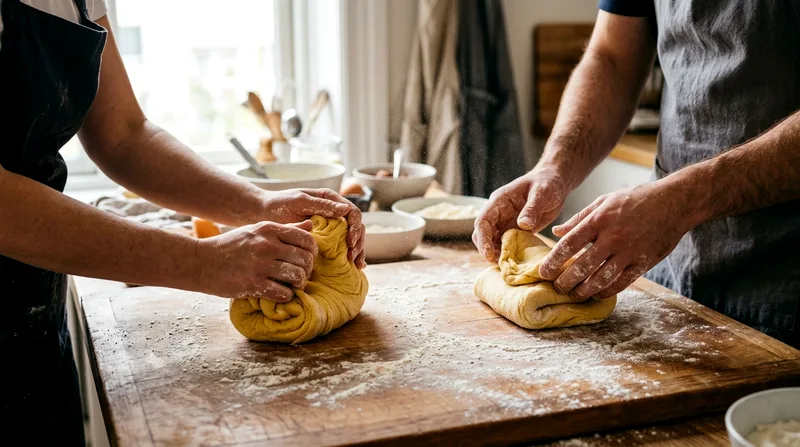
The core decision isn't which distillery to pick — it's which format. A distillery tour is passive: you're guided through the production floor, shown the stills, told the history, and given a tasting at the end. A gin-making workshop is active: you're handed a miniature still or a blending kit, given a selection of botanicals, and walked through creating your own recipe, usually bottling and labelling it to take home. Fishers Gin Distillery and Tarquin's (the latter technically in Cornwall but often referenced alongside London workshop formats for comparison) both popularised this hands-on model, and several London venues now run near-identical sessions.
Workshops cost more and take longer — budget two to three hours versus 60-90 minutes for a straight tour — but you leave with a physical souvenir rather than just a photo of a copper still. The trade-off is that workshops are less about London's distilling heritage and more about personal creativity; if you want history, a workshop can feel thin on context compared to a proper guided tour at somewhere like Beefeater.
Choose a standard tasting tour for speed and value, and a hands-on workshop if you want to leave with a gin you made yourself.
London gin distillery tour formats compared by duration, tasting and price band
| Format | Duration | Tasting included | Hands-on element | Price band |
|---|---|---|---|---|
| Standard distillery tour | 60-90 min | 3-5 measures | None | Budget-mid |
| Tasting-only session | 45-60 min | 4-6 measures with pairings | None | Budget |
| Gin-making workshop | 2-3 hours | 1-3 measures plus your own bottle | Full recipe blending | Mid-premium |
| Private group tour | 90 min-2 hours | 4-6 measures, often extended | Limited (Q&A, extra pours) | Premium |
| Private workshop buyout | 2.5-3.5 hours | Tasting plus full bottle | Full recipe blending | Premium |
Typical ranges based on common formats across London distilleries; confirm exact inclusions and pricing directly with the venue before booking.
Comparison table: tasting, hands-on, price band
Use the table below as a starting point, then check live prices and reviews for the specific venue before booking — costs shift with group size, season, and whether food is included.
Private vs group formats
Standard group tours run with anywhere from 10 to 30 people, which keeps costs down but means less individual attention and a fixed tasting pour. Private formats — whether a private distillery tour or a workshop booked exclusively for your party — cost noticeably more per head but give you flexibility on timing, a more conversational pace with the distiller, and often extra tastings or botanical comparisons not included in the standard package. For a hen or stag group, a private workshop slot is usually worth the extra cost; for a solo traveler or couple, a shared group tasting is more sociable anyway, since you'll likely end up chatting with other visitors over the flight.
London Dry Gin and the Distilling Process
"London dry" is a production method, not a geographic requirement — Whitley Neill and 58 Gin are both made following London dry standards, though not always within city limits. The rule is that all flavouring must be added during distillation, with no sugar or artificial colouring added afterward, and the finished spirit must hit a minimum alcohol strength before dilution. That's different from many flavoured or "new Western" style gins, which can have botanicals or sweeteners added post-distillation. A decent tour will explain this distinction clearly; if a guide glosses over it or seems unsure, that's a mark against the operator.
Botanicals and what London dry means
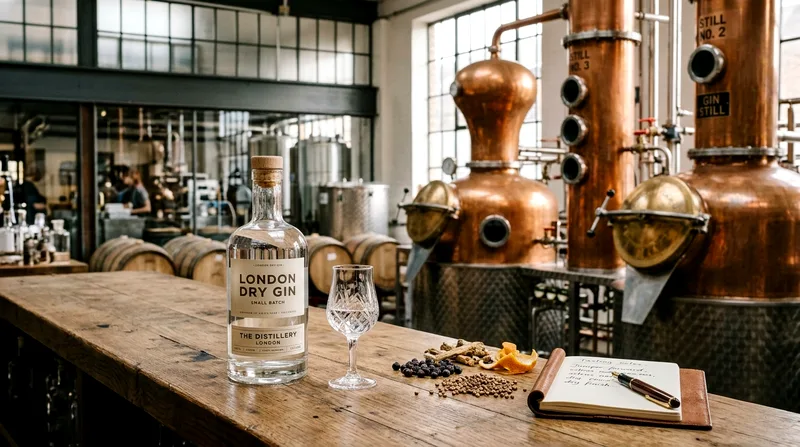
Juniper is the non-negotiable botanical — without it, it's not gin, legally or otherwise. Beyond that, most London distilleries build recipes around coriander seed, angelica root, orris root, citrus peel, and liquorice, then add a signature botanical or two to differentiate the house style. The Hendrick's Gin Palace, though based in Scotland rather than London, is often cited on tours as the example of a brand built entirely around one unusual addition (cucumber and rose), which is a useful comparison point for explaining how small tweaks create very different finished spirits. On a tasting tour, expect the guide to pass round raw botanicals — dried juniper berries, cardamom pods, citrus peel — so you can smell them individually before tasting the finished gin.
Tasting notes to expect
A typical flight moves from a classic London dry (piney, peppery, quite dry on the finish) through to a more contemporary style with softer citrus or floral notes, finishing with something unusual — a navy strength or a barrel-aged gin, if the distillery produces one. Expect tasting measures of around 25ml per pour, served neat or with a small amount of tonic and garnish on the side so you can compare both ways. If a tour only pours one style of gin across the whole tasting, that's a sign the experience is thinner than advertised — a proper tasting should show you contrast, not just repetition.
What to Look for When Booking
Not all gin distillery experiences are built equally, and the listing page rarely tells you everything that matters. Read past the headline price and check what's actually included — some tours bundle a cocktail into the ticket, others charge separately for anything beyond the tasting flight.
Inclusions, group size and cancellation
Check three things before you pay: how many tasting measures are included, the maximum group size on your specific time slot, and the cancellation policy. Group sizes above 20 can feel more like a lecture than a tasting; anything under 12 tends to allow real interaction with the guide. Most reputable operators offer free cancellation up to 24-48 hours before the slot — avoid anything with a strict no-refund policy unless you're certain of your plans, since London's transport delays (a delayed Tube line, a cancelled bus) can easily eat into a tight schedule. If you're bundling the visit with sightseeing, note that passes like The London Pass by Go City sometimes include discounted entry to attractions but rarely cover specialist gin tours directly — check the fine print rather than assuming inclusion.
Access, dietary needs and getting there
Most central distilleries — City of London Distillery, for instance — sit within a 10-15 minute walk of a major Tube station, which makes them easy to combine with a walking tour of the City or a visit to St Paul's. East London venues like East London Liquor Co require a bit more effort, typically a short Overground or bus ride from Liverpool Street. If anyone in your group has mobility needs, ask in advance: many distilleries occupy converted industrial buildings with uneven floors, narrow stairwells, or no lift access to upper tasting rooms. Dietary requirements matter too — tonic water and garnishes are usually fine for most diets, but confirm in advance if you need a non-alcoholic alternative, since not every venue offers a proper substitute tasting rather than just soft drinks.
When to Book Your Gin Tour
Gin tours don't have the brutal demand spikes of something like the London Eye or Tower Bridge, but the good slots — particularly weekend workshops — do sell out days or weeks ahead, especially around Christmas and in the lead-up to summer wedding and hen-do season.
Weekends, holidays and booking windows
Book weekend slots at least two to three weeks ahead if you want a specific time, and earlier still — a month or more — for a private group buyout. Weekday afternoon tours are far easier to get last-minute, sometimes even the same day if you check availability online in the morning. December is the tightest month across almost every craft distillery in London, driven by office parties and gift vouchers redeemed in a rush before the holidays; if you're visiting in that period, book before you land rather than on arrival.
Gifts, purchases and virtual alternatives
Most distilleries sell vouchers that work well as gifts, letting the recipient pick their own date rather than committing you to guessing availability. If you can't make it to London in person, a handful of distilleries — East London Liquor Co among them — have experimented with virtual tasting kits posted ahead of a video-led session, though these are a clear downgrade from visiting in person and mainly useful for corporate team events or gifting to someone abroad who can't travel.
Frequently asked questions
What is the best gin distillery tour in London?
There's no single best option — it depends on what you want. Beefeater Gin Distillery suits first-timers wanting history and scale, while smaller venues like Shakespeare Distillery or East London Liquor Co suit those wanting intimacy or a hands-on workshop. Compare formats rather than chasing a single "top" name, and check recent reviews before booking.
How much do gin distillery tours cost?
Standard tasting tours tend to sit in a budget-to-mid price band, often comparable to a London theatre ticket at the lower end. Hands-on workshops cost noticeably more, usually mid-to-premium, because you're taking home a bottle and using more materials. Private group buyouts sit at the top of the range. Always check current prices directly with the venue, since they vary by group size and season.
How long do gin distillery tours take?
Standard guided tours with a tasting run 60 to 90 minutes. Tasting-only sessions can be as short as 45 minutes. Gin-making workshops typically run two to three hours, and private group sessions can extend to three and a half hours if they include an extended tasting or meal element.
Can you make your own gin on a tour?
Yes, but only on workshop-format experiences, not standard distillery tours. On a gin-making workshop, you'll typically select botanicals, blend a recipe with guidance from the distiller, and bottle and label your own gin to take home — this is the main difference between a tour and a workshop, so check which format you're booking.
What is included in a gin tasting experience?
Most tastings include a flight of three to six measures of different gin styles, served with tonic and garnish so you can compare neat versus mixed. Many also include a chance to smell raw botanicals like juniper, coriander seed, and citrus peel before tasting. Food pairings and cocktails are sometimes included but often cost extra — check the listing before you book.