Compare London wine tasting experiences, from historic cellars and urban wineries to sommelier-led classes, plus what to check before booking.
Which London Wine Tasting Suits You?
London doesn't grow wine, but it has become one of the better cities in Europe to taste it. Between centuries-old cellars under Mayfair townhouses, purpose-built urban wineries fermenting actual wine on-site, and structured sommelier-led classes, a london wine tasting experience can mean three quite different evenings. The trick is matching the format to what you actually want — a romantic hour, a serious education, or a loose social tasting with new people.
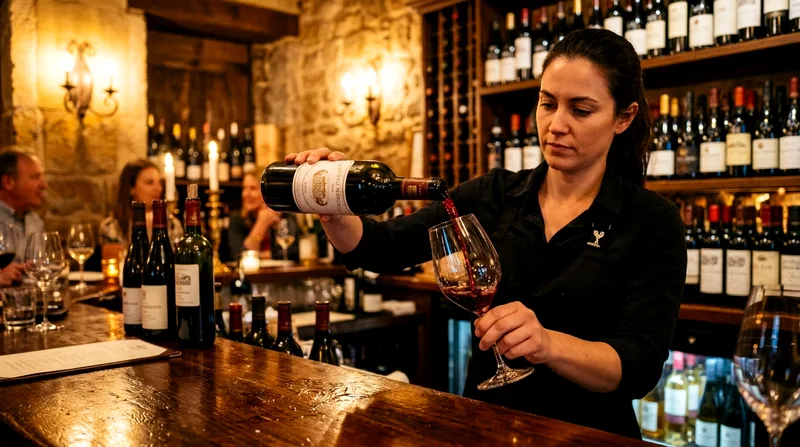
If you want atmosphere above all else, a historic cellar wins. Venues built into old wine merchant vaults or hotel basements — think the kind of space you'd find near Flemings Mayfair or The Westbury Mayfair — lean into candlelight, exposed brick and a sense of occasion. You're paying partly for the room, not just the pours.
If you want to understand what's in the glass, go for a class. These are usually led by a trained sommelier or WSET-qualified host, run 90 minutes to two hours, and work through five to eight wines with structured tasting notes. Expect comparisons across regions, a bit of homework-style terminology, and genuinely useful takeaways you'll use next time you're ordering wine in a restaurant.
Urban wineries sit in between — part tour, part tasting, part education — and suit anyone curious about how wine is actually made without flying to Bordeaux or Tuscany to see it.
Couples and special occasions
For anniversaries, birthdays or a first-date-gone-right, a private or small-group cellar tasting beats a class every time. The lighting does half the work. Venues attached to hotels — the Stafford Hotel's cellars are a good example of the genre, built into what was once a wine merchant's storage space — combine the romance of old stone with hotel-level service, so you're not fumbling with logistics mid-date. A wine tasting for couples London search usually turns up these venues first, and for good reason: they're designed for exactly this. Avoid large group classes for this occasion — you'll spend half the night making small talk with strangers instead of each other.
Beginners and keen enthusiasts
Total beginners should start with a structured class rather than a cellar visit — you'll retain more and feel less lost. Retailers like Hedonism Wines in Mayfair run tastings alongside their shop floor, which is useful because you can buy the bottle you liked on the way out. Enthusiasts chasing depth — rare vintages, specific regions, blind tasting formats — should look for sessions pitched at WSET Level 2 or above, or small-group tastings run by independent wine bars such as Humble Grape, which has a reputation for interesting, less mainstream lists across its London sites.
Historic Cellars vs Urban Wineries vs Classes
These three categories get lumped together in search results, but they deliver different experiences, and knowing the difference saves you from booking the wrong one.
A historic cellar tasting is about setting. You're drinking in a space that often predates the wine itself — old brick vaults, sometimes beneath churches or merchant houses, occasionally candlelit. St Mark's Church in Mayfair, for instance, has hosted wine events in its crypt-adjacent spaces, trading on exactly this kind of atmosphere. Expect fewer wines, more storytelling, and a slower pace. Typical sessions run 60-90 minutes and cover five or six pours.
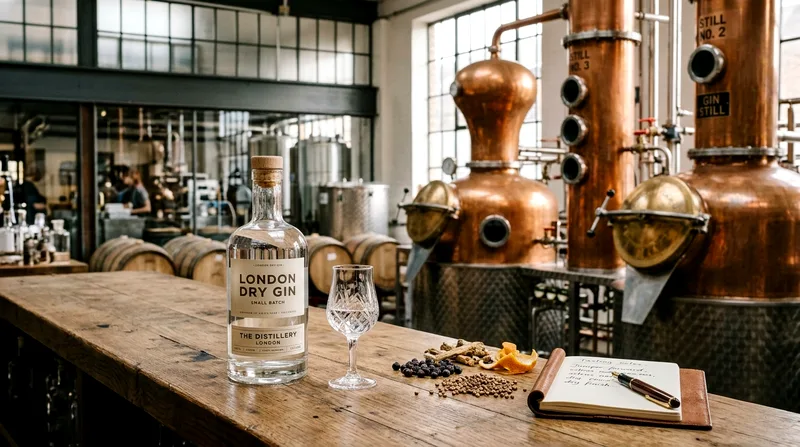
An urban winery is a working production space — tanks, barrels, sometimes a small bottling line — where you taste wine made in London from grapes shipped in from established wine regions. It's part tour, part tasting, and it's the closest the city gets to a vineyard visit. Sessions tend to run slightly longer, 90 minutes to two hours, because there's a walk-through component before the tasting itself.
A sommelier-led class is the most structured option. You'll get tasting notes, a comparative framework (old world vs new world, grape variety side-by-sides), and usually a take-home sheet. These suit people who want to leave knowing something concrete, not just having had a nice evening.
Historic cellars win on atmosphere, urban wineries win on process and education, and sommelier-led classes win on structured learning.
London wine tasting experience categories compared by setting, duration and who they suit
| Format | Typical duration | What's included | Best for |
|---|---|---|---|
| Historic cellar tasting | 60-90 min | 5-6 wines, storytelling, low lighting | Couples, special occasions |
| Urban winery tour | 90-120 min | Production tour plus 4-6 wines | Curious first-timers, groups |
| Sommelier-led class | 90-120 min | 5-8 wines, tasting notes, comparison framework | Beginners wanting structure, enthusiasts |
| Cheese and wine pairing | 90-120 min | 4-5 pairings, fewer wines overall | Food-focused couples, small groups |
| Private tasting (any format) | Flexible, often 60-150 min | Customised wine list, dedicated host | Corporate groups, proposals, celebrations |
Durations and inclusions vary by venue and host; always confirm specifics and check current prices when booking.
Comparison table of tasting categories
Below is a quick reference for deciding between formats before you start comparing specific venues and live prices.
Cheese and wine pairing events
Cheese and wine pairing events add a food-matching layer and tend to run longer — budget close to two hours. Specialist cheesemongers such as La Fromagerie host tastings that pair specific cheeses against specific wines, explaining why a washed-rind cheese needs an off-dry white rather than a big tannic red. These are a strong pick for food-focused couples or small groups who find pure wine tastings a bit one-note. The trade-off: you'll taste fewer wines overall, since half the session is dedicated to the pairing logic and the cheese itself.
Private vs Group Wine Tastings
Group tastings are the default booking — you join a scheduled session with strangers, usually eight to twenty people, at a fixed time slot. They're cheaper per head, easier to book last-minute, and good for solo travelers who want company. The downside: you have less control over the wine list, and the pace is set by the group, not you.
A private wine tasting London booking flips that. You get a dedicated host, a wine list you can influence in advance (tell them you hate oaky Chardonnay, and they'll leave it off), and a room to yourselves. This costs more — private sessions typically run at a premium over the per-person group rate — but for a proposal, anniversary, or a client dinner, it's worth it. Venues that do group tastings well, like Humble Grape, often also offer a private room option on the same site, so you don't necessarily need a different venue, just a different booking type.
Watch out for private tastings advertised as "exclusive" that are really just a group session with a curtain pulled across — ask directly whether other bookings will be running in the same space at the same time.
Bespoke and corporate options
Corporate wine tastings usually mean a bespoke session built around a theme — a regional focus, a blind-tasting competition format, or a pairing dinner. Companies like Wine Unearthed specialise in exactly this kind of bespoke corporate and private event, building sessions around team numbers and budget rather than a fixed public menu. If you're organizing one, confirm the group size range the host actually caps at — some private formats stop working well past 20-25 people, since the host can't give individual attention, and you're effectively back to a group tasting with extra steps.
What to Look for When Booking
The marketing photos for most london wine tasting experience listings look similar — candles, glasses, a host mid-pour — so you need to read past the photo to the actual terms.
Check how many wines are included and whether food is part of the price or an add-on. Some listings quote a low headline price that covers only three wines, with cheese boards or extra pours charged separately. Check the cancellation policy too: wine tastings often have stricter cut-offs than standard tours, sometimes 48-72 hours, because the host has already pulled and chilled the bottles.
Inclusions, group size and cancellation
Ask specifically: how many wines, how many pours per wine (a full glass versus a tasting measure makes a real difference after six wines), whether water and palate-cleansing bread are provided, and what the maximum group size is. A class capped at twelve will feel very different from one run for thirty. Also confirm whether the quoted price includes service and any venue entry fee — some hotel-based cellar tastings bundle this in, others don't.
Accessibility and getting there
Cellar venues are, by definition, often underground — ask about step-free access if that matters for your group, since many historic vaults were never built with lifts in mind. For location, Mayfair and Fitzrovia host a disproportionate number of good tastings, both well served by the Central and Victoria lines; this matters if you're planning a day that also includes other London sightseeing, since you won't want a long cross-city transfer before or after an evening tasting.
When to Book a Wine Tasting
Book further ahead than you'd think. Good sommelier-led classes and private cellar slots at well-regarded venues fill weekend evenings two to four weeks out, especially around anniversaries season (spring) and the run-up to Christmas, when corporate bookings spike. Weeknight sessions, by contrast, often have availability within a few days.
Seasonal events and busy periods
November and December are the tightest months — office parties and festive private tastings dominate calendars, and prices at some venues edge up accordingly. Valentine's week is the other predictable crunch point for couples' tastings specifically. If you want a London wine tasting experience during either period, book at least three to four weeks out and confirm in writing what's included, since peak-season sessions sometimes trim the wine list to manage volume. Quieter months — January through March, outside Valentine's week — tend to have better availability and occasionally better per-person value.
Frequently asked questions
What are the best wine tasting experiences in London?
It depends what you want. For atmosphere, historic cellar tastings near Mayfair hotels like Flemings or the Stafford are strong choices. For structured learning, a sommelier-led class or a WSET-affiliated session teaches you more per pour. For something closer to a vineyard visit, an urban winery tour is the best substitute London offers.
Where can I do a private wine tasting in London?
Independent wine bars such as Humble Grape offer private rooms alongside their public tastings, and specialist retailers like Hedonism Wines run bookable private sessions too. Hotel cellars, including those at the Stafford Hotel and Westbury Mayfair, also take private bookings, usually with more lead time required than a standard group slot.
Are there sommelier-led wine classes in London?
Yes — several wine shops, bars and dedicated education providers run sommelier or WSET-qualified classes, typically 90 minutes to two hours covering five to eight wines with structured tasting notes. These suit beginners wanting a framework and enthusiasts wanting comparative depth, more than a purely social evening.
What is included in a London wine tasting?
Most include a set number of wines (commonly four to eight), a host or sommelier guiding the tasting, and some form of palate cleanser like bread or crackers. Cheese or full food pairings are often an add-on unless the listing specifically advertises a cheese and wine pairing event. Always check inclusions before booking — headline prices can be deceptively low.
Can couples book a wine tasting in London?
Yes, and it's one of the most popular formats — a wine tasting for couples London search will surface candlelit cellar sessions and smaller private bookings designed specifically for two people. Book two to four weeks ahead for weekend slots, and earlier still around Valentine's week when demand spikes.