Wondering about the London best month to visit? Compare weather, crowds, events and prices month by month to pick the right time for your trip.
Best Time to Visit London at a Glance
London doesn't have a bad month so much as it has trade-offs in every month. Rain falls year-round — there's no true dry season — so picking the London best month to visit really comes down to balancing temperature, daylight, crowd size and price against what you actually want from the trip. If you're chasing outdoor sightseeing, river cruises and long evenings in beer gardens, that points one way. If you want thin crowds at the British Museum and cheaper hotel rooms near King's Cross or Paddington, that points another.
The short version: May, June and September consistently offer the best overall balance. Daylight stretches past 9pm in June, temperatures sit in a comfortable 15-20°C range during May and September, and neither month coincides with the school summer holidays that clog Oxford Street and the London Eye queue from mid-July through August. None of this means July and August are mistakes — plenty of families have no choice but to travel then, and London handles the volume better than Rome or Barcelona handle their August crush. It just means you'll pay more and wait longer.
Quick verdict: May, June and September
If you want one answer: aim for May or September. Both sit in the shoulder season, after the Easter crowds thin out and before — or just after — the summer holiday surge. Average daytime highs run 15-19°C, rainfall is close to the UK average rather than a winter spike, and major attractions like the Tower of London or Westminster Abbey are bookable without the multi-week lead times July sometimes demands. Hotel rates in Zone 1 typically ease back from summer peaks by a noticeable margin, though exact figures vary by year and you should compare current rates when booking. June is a close second, with slightly higher prices as it edges toward peak season.
Spring, summer, autumn and winter compared
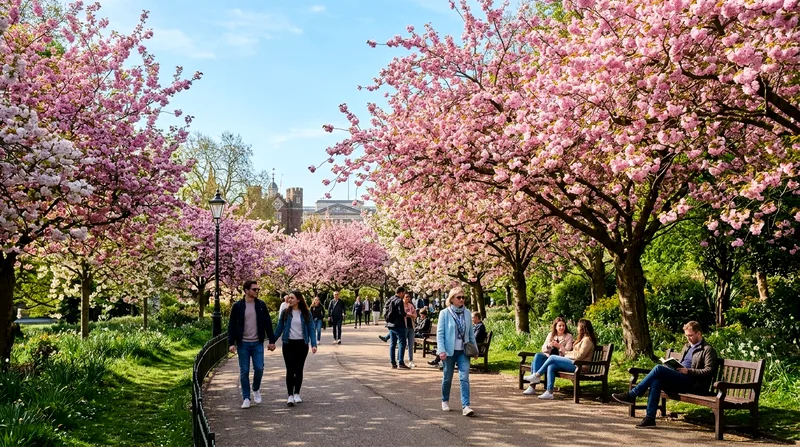
Spring (March-May) brings blossom in Hyde Park and Greenwich, unpredictable rain, and rising prices as Easter approaches. Summer (June-August) is the warmest and driest on average, but July and August are also the most expensive and crowded months of the year, rivaling Paris in August for sheer visitor density at landmark sites. Autumn (September-November) starts strong — September and early October are arguably the best-kept secret on this list — then turns cold and wet by November. Winter (December-February) is the cheapest stretch outside Christmas week, with short days, frequent drizzle, and the lowest hotel rates of the year, broken only by the price spike around Christmas lights and New Year's Eve.
London Weather by Month
London's weather is famously changeable, and no single month gives you reliable sunshine. That said, patterns do hold up over time. The city sees rain spread fairly evenly across the calendar — unlike Rome or Barcelona, there's no pronounced dry summer — so don't choose a month purely to dodge rain. Instead, think about temperature range and daylight hours, which shift far more dramatically than rainfall does.
Temperature, rainfall and daylight hours
January and February are the coldest months, with average highs around 7-9°C and lows close to freezing on sharper nights. March through May warm steadily, reaching 15-18°C by late spring. June, July and August are warmest, typically 20-24°C with occasional spikes above 30°C that catch everyone without air conditioning — most London hotels and the Underground still don't have it, which matters more than people expect in a heatwave. September holds onto summer warmth into the high teens before autumn cooling sets in through October and November. December sits around 8°C with the shortest days of the year, sunset before 4pm.
Rainfall hovers around 40-60mm a month pretty much year-round, so pack a compact umbrella regardless of when you travel. Daylight is the bigger variable: London gets roughly 16 hours of daylight around the June solstice versus under 8 hours in December, which genuinely changes how much sightseeing you can pack into a day.
What to pack for each season
For spring and autumn, layer — a waterproof jacket, a light sweater, and shoes that handle wet pavement. Summer calls for the same umbrella plus breathable clothing, because humidity during a July heatwave feels worse than the thermometer suggests. Winter means a proper coat, not just a jacket; wind off the Thames cuts through thin layers, and indoor spaces are heated, so dressing in removable layers for museums and tube travel makes sense. Whatever month you pick, a dedicated travel umbrella beats a cheap one — the wind at Tower Bridge or along the South Bank will destroy a flimsy model within a day.
Crowds, Prices and Peak Seasons
Crowd levels in London track school holidays and major events more closely than they track weather. July and August remain the busiest two months by a wide margin, driven by UK and European school summer breaks plus the influx of long-haul visitors on summer itineraries that often pair London with Paris or Amsterdam. Expect longer queues at the London Eye, Tower of London and Buckingham Palace, and book timed-entry tickets well ahead — a week's notice is often too late for popular slots in peak July.
May, June and September offer the best mix of mild weather and manageable crowds, while January, February and November are the cheapest and quietest months to visit London.
London best month to visit: weather, crowds and prices compared
| Month | Avg. high (°C) | Rainfall | Crowd level | Price level |
|---|---|---|---|---|
| January | 8 | Moderate | Low | Low |
| March | 13 | Moderate | Low-Medium | Low-Medium |
| May | 17 | Moderate | Medium | Medium |
| June | 20 | Moderate | Medium-High | High |
| July | 23 | Moderate | High | High |
| August | 23 | Moderate | High | High |
| September | 19 | Moderate | Medium | Medium |
| November | 10 | Moderate-High | Low | Low |
| December | 8 | Moderate-High | High (Christmas week) | High (Christmas week) |
Figures are typical long-term averages; actual weather and prices vary by year, so check current conditions and rates before you book.
School holidays, bank holidays and busy periods
Beyond summer, watch UK school holiday windows: a week around Easter, the last week of May (half-term), and the week around Christmas and New Year. Bank holidays — early May, late May, and late August — bring domestic day-trippers into central London, pushing up congestion on the Underground and at free attractions like the British Museum and National Gallery. If you're a European traveller timing a trip around a long weekend, these bank holiday Mondays are worth avoiding for major sights, though they're fine for parks and markets like Borough Market or Camden.
Cheapest and quietest months
January and February are the cheapest time to visit London for flights and hotels, once the New Year crowd clears out. November, after fireworks night and before Christmas markets ramp up, is similarly quiet. These off-season months suit travellers more interested in museums, theatre and indoor attractions than parks and river walks. The trade-off is obvious — cold, short days, and a greater chance your outdoor plans get rained out — but if budget matters more than blue skies, this is genuinely the smartest window, and often cheaper than a comparable off-season trip to Dublin or Edinburgh.
Events and Activities by Month
London's events calendar runs year-round, and it's often a better reason to pick a month than weather is. Some events are worth building a whole trip around; others are worth avoiding if you dislike crowds.
Seasonal highlights and festivals
Spring brings the Chelsea Flower Show in late May and blossom season in parks like Greenwich and St James's. Summer is dense with outdoor culture: Wimbledon in late June/early July, open-air concerts in Hyde Park, Notting Hill Carnival on the August bank holiday weekend, and long opening hours at rooftop bars. Autumn offers the Frieze art fair and Bonfire Night fireworks across the city on November 5th. Winter means Christmas lights on Oxford Street and Regent Street from mid-November, ice rinks at Somerset House and the Natural History Museum, and New Year's Eve fireworks over the Thames — spectacular, but requiring tickets booked well in advance and serious crowd tolerance. Christmas week itself sees many smaller shops and some attractions close or run reduced hours, which catches visitors out.
Tour and sightseeing availability by season
Most major London tours and tickets — Thames river cruises, open-top bus tours, Harry Potter Warner Bros. Studio Tour transfers, walking tours of the Tower of London — run year-round, but frequency and availability shift. Summer sees more departures and extended evening cruises; winter sometimes cuts back on open-top bus frequency and some walking tours pause during the shortest, wettest weeks. If your trip centers on outdoor river tours or open-top sightseeing buses, April through September gives you the most options and the best light for photos. For indoor-heavy itineraries — West End theatre, the British Museum, afternoon tea — winter works just as well and comes with shorter queues, worth factoring in when you compare London tours and tickets before booking.
Which Month Suits Your Trip?
The right month depends more on who's traveling and why than on any single weather statistic. A family tied to school holidays has different constraints than a retired couple with total flexibility.
First-time visitors, families and couples
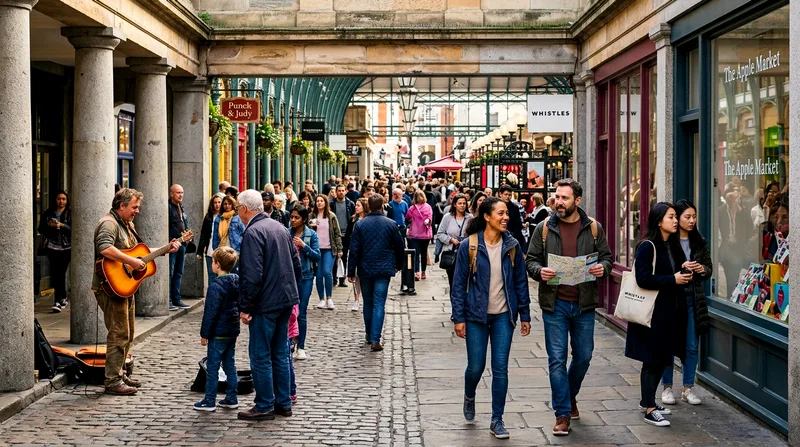
First-time visitors who want to hit the major sights — Buckingham Palace, the Tower of London, the London Eye — without extreme queues or extreme cold should aim for May, June or September. Families locked into UK or European school holidays will find July and August unavoidable; the consolation is that London copes with volume reasonably well compared to peak-season Barcelona or Rome, thanks to its sheer size and number of attractions. Couples have the most flexibility and benefit most from shoulder-season travel — September especially, when summer crowds have left but outdoor dining and park walks are still comfortable. For a romantic trip, I'd skip December despite the Christmas lights hype; the crowds and prices around Oxford Street in the two weeks before Christmas undercut the atmosphere more than people admit.
Budget travellers and photographers
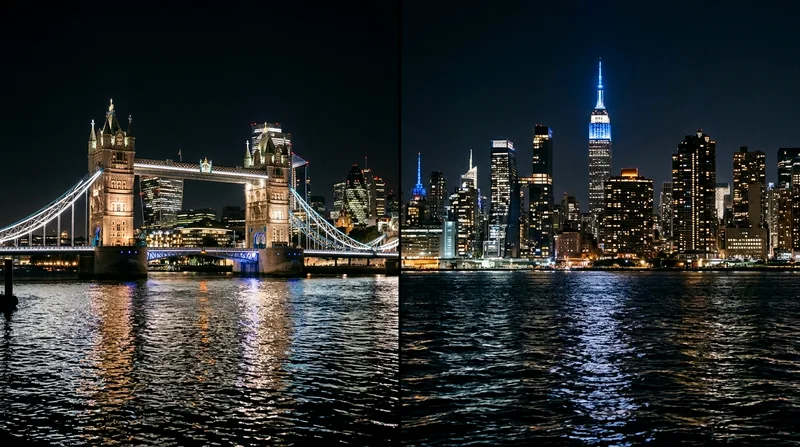
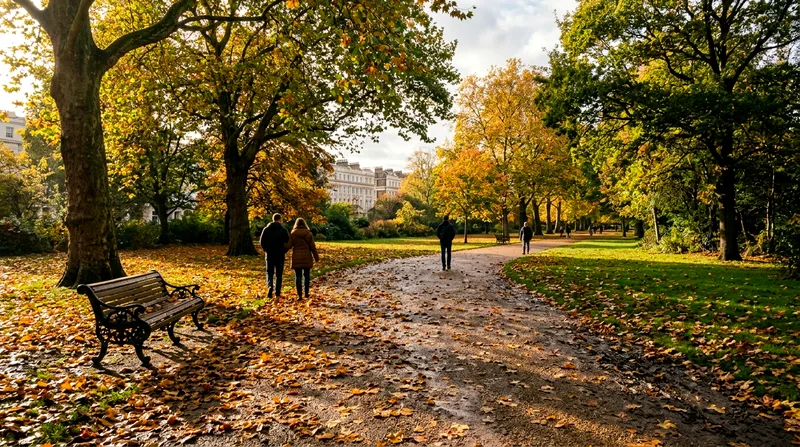
Budget travellers should look hard at January, February and early November — flights and hotel rates drop noticeably once the Christmas rush passes, and the city's free museums (British Museum, Tate Modern, National Gallery) make cold weather less costly to work around. Photographers get the most dramatic light and color in autumn, when parks like Hyde Park and Hampstead Heath turn, and in the golden-hour stretch of a June evening when sunset doesn't arrive until nearly 9:30pm. Winter photographers should target early morning at landmarks like Tower Bridge, when low sun and thin crowds combine well, though you're working with far fewer usable daylight hours overall.
Months to Avoid and Insider Tips
No month in London is a true write-off, but some genuinely work against you depending on your priorities. Knowing which ones — and why — saves both money and frustration.
Coldest, wettest and most crowded months
December and January bring the darkest, coldest days — sunset before 4pm, average highs around 7-8°C — and while Christmas markets have charm, the week before December 25th and the days around New Year's Eve see some of the highest hotel rates and heaviest foot traffic of the entire year around Oxford Street and Covent Garden. If pure crowd avoidance is your goal, skip late July through August entirely; that's when London overlaps hardest with European summer holidays, and queues at the London Eye or Tower of London can run well over an hour without a pre-booked timed slot. November is wetter than most people expect, with grey skies and limited daylight, though it's also one of the cheapest and least crowded months — a trade worth making if you're mainly there for theatre, shopping and museums rather than outdoor sightseeing. One genuine insider tip: book Thames river cruises and open-top bus tours for the first two hours after they open, even in peak season, since both crowds and queues build steadily through the afternoon.
Frequently asked questions
What is the best time to visit London?
Most visitors do best in May, June or September, when temperatures sit around 15-20°C, daylight hours are long, and crowds are lighter than peak summer. These shoulder-season months also tend to offer better hotel availability than July and August, though you should still book major attractions like the Tower of London in advance.
What is the off-season to visit London?
London's off-season runs roughly January through early March, plus November. Hotel rates and flight prices typically drop, queues shorten at major museums, but expect cold temperatures around 7-10°C, short daylight hours, and a higher chance of rain disrupting outdoor plans like river cruises or walking tours.
How is the weather in May in London?
May typically brings highs of 15-17°C, occasional rain showers, and increasing daylight stretching toward 9pm by month's end. It's one of the more reliable months for a mix of mild temperatures and manageable crowds, though a waterproof layer is still worth packing.
Are July and August the busiest months in London?
Yes. July and August combine UK and European school summer holidays with peak international tourism, making them the most crowded and most expensive months for flights, hotels and major attraction tickets. Expect longer queues at the London Eye, Buckingham Palace and the British Museum unless you book timed entry well ahead.
When should I visit London to avoid crowds?
Late January through February, and most of November, see the thinnest crowds, since they fall outside school holidays and major events. Early March and late September also work well — crowds are moderate rather than light, but weather is milder than deep winter, giving a better balance for most travelers.