Is London worth visiting? An honest look at costs, highlights and downsides, plus how many days you need and who the city really suits.
Is London Worth Visiting?
Ask this on Reddit's r/travel and you'll get fifty replies in an hour — half of them raving about the museums, half of them complaining about the price of a pint. Is London worth visiting? Yes, for most travellers, but the honest answer comes with conditions. The city is expensive by almost any measure, the weather is unreliable, and the queues at big attractions can eat a chunk of your day if you don't book ahead. None of that cancels out what London actually offers: world-class free museums, a genuinely global food scene, and neighbourhoods — from Soho to Borough Market — that feel completely different from each other within a twenty-minute Tube ride.
This guide gives a balanced verdict based on the patterns that show up again and again in traveller discussions on Reddit and TripAdvisor: what people love, what they regret, what it actually costs, and how many days you need to feel like the trip was worth it rather than a rushed blur.
What Travellers Love About London
The thing that surprises first-timers most is how much of London's best stuff is free. The British Museum, the National Gallery, Tate Modern and the Natural History Museum charge no entry fee for general admission — only special exhibitions cost extra. That's unusual compared with Paris, where the Louvre and Musée d'Orsay both charge in the €15–22 range, or Rome, where the Colosseum and Vatican Museums are paid entry with long queues regardless. If you're traveling with kids, this matters: you can fill four or five days with serious cultural attractions without touching your ticket budget.
Landmarks, museums and free attractions
Westminster Abbey and Tower Bridge are the two paid landmarks most people prioritize, and both are worth the entry fee — Westminster Abbey runs roughly £29 for adults and includes an audio guide, while the Tower Bridge Exhibition (around £11–£13) gets you onto the glass-floor walkways with Thames views. Kensington Palace and Kew Gardens sit a notch below in must-do status but reward a half-day each, especially Kew if you're there between spring and early autumn when the gardens are in bloom. The British Museum alone deserves a full morning — the Rosetta Stone and Egyptian galleries get crowded by midday, so arrive at opening if you want breathing room.
Food, markets and neighbourhood variety
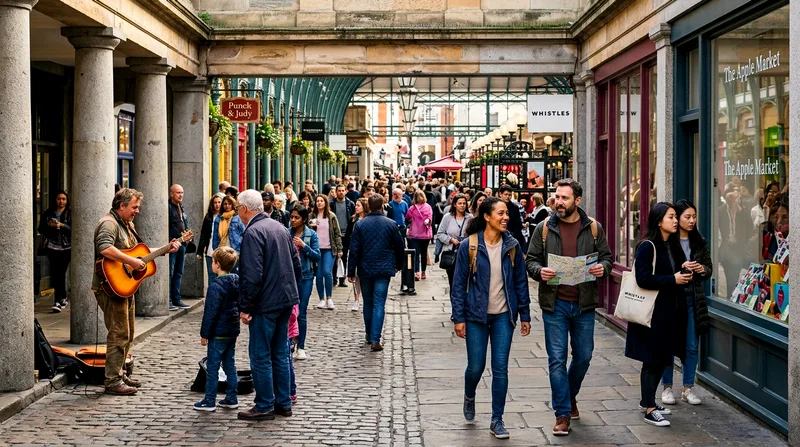
Borough Market is the one food stop almost everyone recommends, and it earns the hype — expect to spend £15–£25 grazing through stalls for lunch, more if you're drinking. Fortnum and Mason, a few miles north, gives you the opposite experience: a formal, slightly theatrical food hall and tea room that's worth an hour even if you only browse. Soho remains the best area for an evening out — dense with restaurants spanning every price point and cuisine, from cheap ramen counters to proper sit-down dinners. This variety is where London beats Amsterdam or Dublin on a pure food-and-neighbourhood basis — those cities are charming but far smaller in culinary range.
Honest Downsides of Visiting London
London's downsides aren't exotic — they're the predictable frustrations of any huge, popular capital, but they hit harder here because expectations (and prices) are high. The two biggest complaints that repeat across traveller forums are cost and crowd management, and both are largely avoidable with planning rather than luck.
Crowds, weather and tourist traps
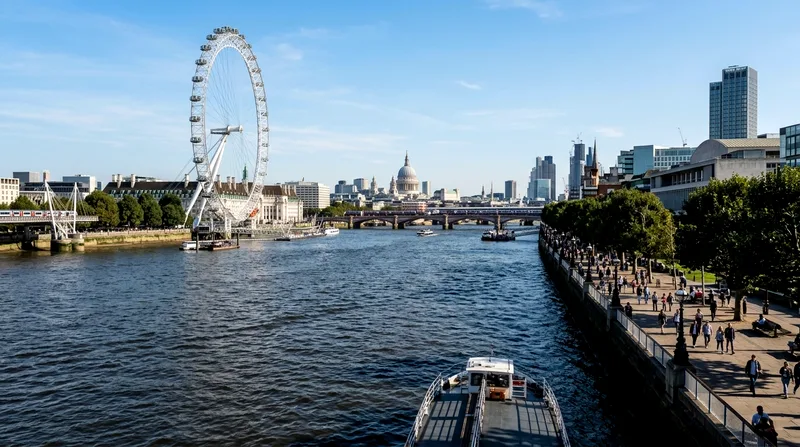
Tower Bridge's viewing deck, the London Eye queue, and Camden Market on a Saturday afternoon are the three spots where crowding genuinely degrades the experience. The weather is the other recurring gripe — London gets around 110 rain days a year, and even dry days are often grey, which disappoints visitors expecting the golden-hour postcard shots. I'd skip the restaurants directly facing major landmarks (anywhere within sight of Big Ben or the London Eye) — they're reliably overpriced and mediocre, a pattern true in every major tourist city from Rome to Barcelona. Walk two streets back and the food improves while the price drops.
What Reddit threads commonly complain about
Search "London worth it Reddit" and the complaints cluster around three things: the cost of a pint (£6–£7 in central areas is now common), the Tube being expensive for short trips, and the sense that everything "closes early" compared with southern European cities. There's also a recurring thread about how spread out London is — unlike Paris, where most major sights sit within a compact core, London's attractions stretch across zones that can mean 45-minute Tube rides between them. That's a fair critique, and it's the main reason rushed one- or two-day visits feel unsatisfying to a lot of people.
Is London Expensive for Tourists?
Yes — London is genuinely one of the pricier European capitals, sitting above Dublin and Edinburgh, roughly in line with Paris, and noticeably above Barcelona or Brussels. That said, "expensive" in London mostly applies to accommodation and casual dining; transport and museums are more reasonable than people assume.
London runs more expensive than Dublin, Edinburgh or Brussels, and sits roughly level with Paris for a typical daily budget.
London worth visiting: cost comparison with other European cities
| City | Daily budget (mid-range, per person) | Free major museums | Transport style |
|---|---|---|---|
| London | £120–£180 | Yes, several | Tube day cap (~£8.50) |
| Paris | €110–€170 | Limited (most charge) | Metro day pass |
| Edinburgh | £80–£120 | Yes, several | Mostly walkable |
| Dublin | €90–€130 | Some free | Walkable + bus |
| Amsterdam | €100–€150 | Few free | Tram day pass |
| Rome | €90–€140 | Rare, mostly paid | Metro + walking |
Figures are general guidance for a mid-range trip, not fixed prices — actual costs vary by season and travel style.
Typical cost categories: stay, transport, food
A no-frills double room in Zone 1 or 2 typically runs £100–£160 a night; budget hostels bring a dorm bed down to £25–£40. The Tube and buses use contactless pay-as-you-go capping, which is roughly £8.50 a day for unlimited Zone 1–2 travel — better value than buying a Travelcard for a short stay. Food ranges widely: a market lunch at Borough Market runs £10–£20, a casual Soho dinner £20–£35 per person, and a mid-range sit-down meal with wine can push £50+ per head. Budget roughly £120–£180 per person per day for a comfortable (not luxury) trip covering a mid-range hotel, two meals out, transport and one paid attraction.
Ways to save without missing the highlights
Lean on the free museums — the British Museum, Tate Modern, National Gallery and Natural History Museum alone could anchor three full days at zero ticket cost. Picnic lunches from a supermarket (Tesco, Sainsbury's) instead of restaurant meals save £10–£15 a day easily. Walking between nearby sights — Westminster Abbey, Big Ben and the London Eye are all within 15 minutes on foot — cuts Tube costs more than people expect. If you know you'll hit several paid attractions, compare current prices for a London attraction pass before you book; bundled passes can be worthwhile if you're doing four or more paid sights, but skip them if your itinerary leans heavily on free museums.
How Many Days in London Is Enough?
This is where a lot of disappointment comes from — people fly in for two nights on a multi-city Europe trip and leave feeling like they only scratched the surface. London is not a weekend city in the way Edinburgh or Brussels can be; it's closer to Rome in scale, and arguably more spread out.
Short stay versus longer trip: what fits
Three days is the realistic minimum to see the core — Westminster Abbey, the Tower of London and Tower Bridge, the British Museum, and one market or neighbourhood walk through Soho or Borough Market — without sprinting. Four to five days lets you add Kensington Palace, a half-day at Kew Gardens, and a proper evening in a second neighbourhood like Shoreditch or Notting Hill. A single day, often tacked onto a layover, only really works for a tight loop: Westminster, a river walk to Tower Bridge, and one museum. If you're combining London with Paris on the Eurostar (about 2 hours 15 minutes city-to-city), I'd give London the extra day — there's simply more ground to cover.
Who London Suits Best (and Who Should Skip It)
London suits travellers who want variety over relaxation — museum lovers, families who need indoor backup plans for rainy days, and couples who like switching between fine dining one night and street food the next. Solo travelers do well here too; the hostel and day-tour scene is well developed, and public transport is safe late into the evening. Senior travellers generally manage fine, though the amount of walking and Tube-stair navigation (not every station has lifts) is worth considering if mobility is limited — Edinburgh and Brussels are gentler on the legs.
London compared with Paris and other UK cities
London versus Paris comes down to taste more than quality. Paris is more compact and arguably more romantic for a short couples' trip; London has more free museums and a wider range of cuisines, partly thanks to its size and diversity. Compared with Edinburgh or Dublin, London is bigger, pricier, and more exhausting — but it also has far more depth, so a short break favors the smaller cities while a dedicated week favors London. If you want pure relaxation or a slower pace, skip London for now and go to Bath or the Cotswolds instead; London is not built for unwinding.
Tips to Get the Most From London
Small planning choices separate a trip people rave about from one that leaves them saying "overrated." Most of it comes down to timing and expectations.
Common tourist mistakes to avoid
The biggest mistake is not booking timed-entry tickets for the Tower of London or Westminster Abbey in advance — walk-up queues in peak summer can run over an hour. Second is underestimating travel time between sights; Google Maps transit estimates are usually accurate, but people plan itineraries as if London is as compact as central Paris, and it isn't. Third is eating every meal in Zone 1 tourist strips — walk ten minutes off the main drag in almost any neighbourhood and prices drop while quality rises. Finally, don't try to "do" all of Kew Gardens and Kensington Palace plus two museums in one day; pick one big outdoor stop and one indoor stop per day, not four.
Best time to visit and seasonal considerations
Late spring (May–June) and early autumn (September) give the best odds of decent weather without peak summer crowds or prices. July and August are busiest and priciest for hotels, often 20–30% above shoulder-season rates. December has charm — Christmas markets, lights on Oxford Street — but short daylight hours (sunset around 4pm) cut into sightseeing time. Whatever month you go, pack for rain regardless of the forecast; a light waterproof layer saves more trips than an umbrella does in London's wind.
Final Verdict: Is London Worth Visiting?
London is worth visiting for the large majority of travellers — the free museums alone justify a trip, and landmarks like Tower Bridge and Westminster Abbey hold up to the hype. The honest caveats: budget at least £120–£180 a day per person for a comfortable trip, give the city a minimum of three days, and book major attractions ahead to dodge the worst queues. It suits history lovers, families, couples and solo travelers better than it suits anyone chasing a slow, cheap, sunny getaway — for that, Lisbon or the Spanish coast will serve you better than London ever will.
If this sounds like your kind of trip, look next at itinerary guides for a 3-day or 5-day London plan, compare current prices for Tower of London and Westminster Abbey tickets before you book, and check river cruise or Thames boat tour options for a different angle on the skyline.
Frequently asked questions
Is London a worthwhile city to visit?
Yes, for most travellers. The free museums (British Museum, National Gallery, Tate Modern), strong public transport, and neighbourhood variety outweigh the cost and crowd downsides — provided you budget realistically and give it at least three days.
Is London expensive for tourists?
It's one of Europe's pricier capitals, roughly level with Paris and above Dublin or Edinburgh. Expect £120–£180 per person per day for a mid-range trip; accommodation and dining out are the main cost drivers, while museums and transport are comparatively reasonable.
How many days in London is enough?
Three days covers the essentials — Westminster Abbey, Tower Bridge, the British Museum, and one market visit. Four to five days lets you add Kensington Palace, Kew Gardens, and a second neighbourhood like Shoreditch without rushing.
What are the downsides of visiting London?
High accommodation and dining costs, unpredictable weather with around 110 rain days a year, long queues at major sights without advance tickets, and a layout spread across Tube zones that makes short, rushed visits feel unsatisfying.
Are there free attractions in London?
Yes — the British Museum, National Gallery, Tate Modern and Natural History Museum all offer free general admission, only charging for special exhibitions. This is a real cost advantage over cities like Paris or Rome, where major museums charge entry.