Planning St Paul's Cathedral tickets? Compare entry options, the dome climb, Whispering Gallery and Golden Gallery, and how to book before you go.
Why Visit St Paul's Cathedral
St Paul's Cathedral sits on Ludgate Hill much as it has since the late 17th century, its dome still one of the few silhouettes that defines the City of London skyline from almost any bridge along the Thames. This isn't a minor stop to tack onto a City walk — it's a working cathedral, a burial site for national figures, and one of the few places in London where you can climb inside a dome rather than just look at one from the ground.
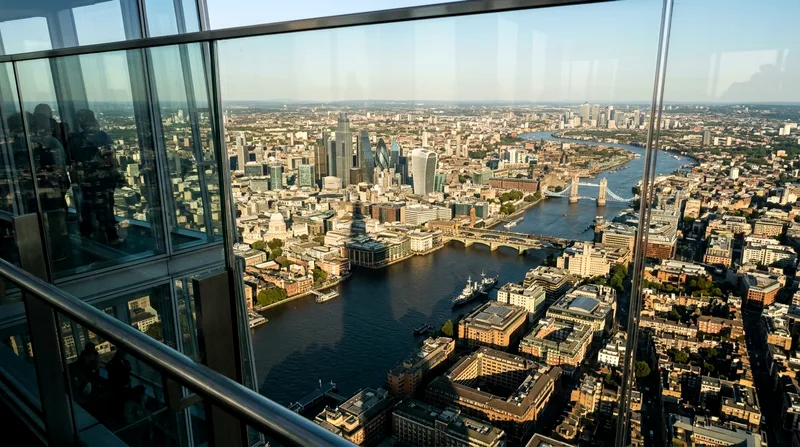
What makes it worth the entry fee, frankly, is the combination you don't get elsewhere in London: a major Wren building, a whispering acoustic trick that genuinely works, and a 360-degree view from height without needing to book a separate observation deck like the Shard. Westminster Abbey has more royal history packed into its stone, but St Paul's has the better climb and, in my view, the more dramatic interior volume.
Wren's masterpiece and what is inside
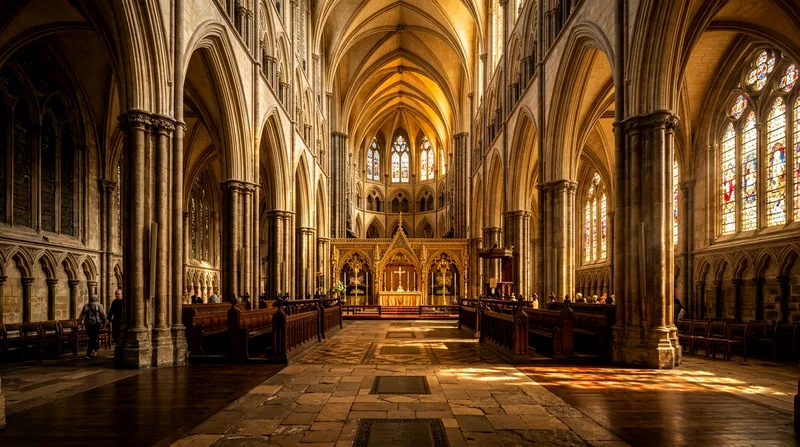
Sir Christopher Wren designed the current cathedral after the Great Fire of London destroyed its medieval predecessor in 1666; construction ran from 1675 to 1710, which is fast by cathedral standards. Inside, the nave opens into a crossing beneath the dome itself, flanked by quire stalls, memorials to Nelson and Wellington, and an extensive crypt that holds Wren's own tomb along with those of Turner and Florence Nightingale. The crypt is included in standard admission and is worth the detour — it's quieter, cooler, and less crowded than the main floor, especially midweek.
Is it worth going inside?
Yes, but with a caveat: if you've already seen Westminster Abbey or Notre-Dame in Paris and you're tight on time or budget, the ground floor alone at St Paul's won't feel like a dramatic upgrade. The interior is impressive rather than overwhelming. What justifies the ticket price is the dome access — without climbing, you're paying cathedral-level admission for an experience closer to a parish church visit. If galleries aren't part of your plan, consider whether a free concert or Evensong service (open to the public, no ticket required) might suit you better than paying full daytime admission.
Visiting Independently or With a Tour
Most visitors do this independently, and that's the right call for most people. St Paul's hands out a multimedia guide included in the ticket price, available in several languages, which covers the nave, crypt, and dome route at your own pace. There's no real need to pre-book a guided tour unless you want the social or storytelling element a human guide brings.
Self-guided visit with multimedia guide
The multimedia guide is handed out at the entrance and works on headphone sets you return at the end. It's genuinely useful for the crypt, where unlabelled memorials can otherwise mean little, and it paces you well through the dome climb stages. Budget 90 minutes to two hours for a full self-guided visit including the climb; without the dome, closer to 45–60 minutes covers the main floor and crypt comfortably.
Guided tour options
Guided tours — bookable directly through the cathedral or via third-party platforms like Viator — typically run at fixed times and last around 90 minutes, led by a verger or volunteer guide who adds context the audio guide won't, such as stories about specific memorials or the choir's daily routine. These suit visitors who want a narrative rather than a self-paced wander, and they're worth it for World War II history buffs, given the cathedral's survival during the Blitz is a story better told than read off a plaque. Check TripAdvisor reviews for recent guide feedback before booking, since quality can vary by which guide is on duty.
St Paul's Cathedral Tickets and Entry
St Paul's Cathedral tickets cover the nave, crypt, galleries, and the dome climb as one combined admission — there's no separate ticket just for the dome. This is different from, say, Notre-Dame in Paris, which (post-restoration) has separate tower access, or Dublin's Christ Church, where the crypt is a standalone add-on. At St Paul's, one ticket gets you everything, which simplifies planning but means you can't pay less just to skip the galleries.
Booking online for the full dome climb package is the best-value, lowest-hassle way to see St Paul's Cathedral.
St Paul's Cathedral tickets compared: entry options at a glance
| Ticket type | Includes dome climb | Typical wait | Best for |
|---|---|---|---|
| Online standard ticket | Yes | Low, skip main queue | Most visitors, book ahead |
| Walk-up ticket at door | Yes | Moderate to long in peak season | Spontaneous visits, flexible schedule |
| Guided tour (verger-led) | Yes, often included | Low, fixed start time | Visitors wanting narrated history |
| Worship service attendance | No, galleries closed | None, free entry | Budget visitors, no sightseeing |
| Family/concession ticket | Yes | Same as standard | Groups, children, seniors, students |
Ticket inclusions and prices change periodically; always confirm current details on the official St Paul's Cathedral website before booking.
Booking online vs at the door
Booking online in advance is the better option almost every time. It's typically a little cheaper than paying at the door, and more importantly it avoids the queue that forms at the west entrance during peak midday hours, particularly on summer weekends. Online tickets are usually valid for entry within a set window on the date booked rather than a fixed time slot, so you're not locked into an exact minute — check the current terms on the official St Paul's website when you book, since policies occasionally shift. Walk-up tickets remain available but expect to queue, sometimes 20–30 minutes in high season.
Discounts, concessions and free entry
Concession discounts generally apply to students, seniors, and children, with family tickets often working out cheaper than buying individual admissions — check the official site for the current breakdown. Children under a certain age (typically around 6 and under) usually enter free. The one genuinely free way in is to attend a worship service, including Sunday services and Evensong, which is open to all without a ticket — though sightseeing during a service isn't appropriate, and the dome, galleries, and crypt aren't accessible during these visits. London Pass and similar sightseeing passes sometimes include St Paul's; it's worth checking whether that adds up to savings versus buying direct.
The Dome Climb: What to Expect
This is the section that matters most if you're deciding whether the ticket is worth it. The dome climb has no lift. None. If that's a dealbreaker, say so to yourself now rather than discovering it halfway up a narrow stone spiral staircase with people behind you.
Fitness level for the Whispering and Golden Galleries
Reaching the Whispering Gallery involves 257 steps, all via a tight spiral staircase with no lift access and limited space to pass other visitors. Continuing to the Stone Gallery adds more steps, and the final push to the Golden Gallery brings the total to 528 steps from the cathedral floor. Expect narrow stairwells, some low clearances, and no seating along the way. This is genuinely strenuous for anyone unfit, with knee problems, or who struggles with enclosed spaces — the staircase sections feel tight even for moderately fit adults. Senior travelers in good general fitness manage it regularly, but anyone with doubts should stop at the Whispering Gallery and skip the final climb rather than push through.
What you see at each gallery level
The Whispering Gallery runs around the dome's interior base, famous for its acoustic quirk — a whisper against the wall on one side can reportedly be heard clearly on the opposite side, 30-plus metres away, though it depends heavily on how quiet the cathedral is at the time. The Stone Gallery is the first outdoor level, offering a solid but partially obstructed view through balustrades. The Golden Gallery, right at the top, is the payoff: an open-air walkway with unobstructed 360-degree views across the City of London, the Thames, and on a clear day, out toward Canary Wharf and beyond. Photography is generally permitted throughout, though tripods and flash photography are typically restricted inside the cathedral itself out of respect for its function as a working church.
Best Time to Visit St Paul's
St Paul's Cathedral opening times generally run Monday to Saturday for sightseeing, with Sundays reserved for worship and closed to tourist visits — a detail that catches people out when planning a City of London itinerary around a Sunday morning. Always confirm current opening times on the official site before you travel, since hours can shift around religious holidays and special services.
Quieter times and visit duration
Arrive at opening, or in the last two hours before closing, for the thinnest crowds — late morning through mid-afternoon is when tour groups stack up, especially on Fridays and Saturdays. Tuesdays and Wednesdays tend to run quieter than weekends. Plan for roughly two hours total if you're doing the full dome climb, crypt, and nave; cut that to an hour if you're skipping the galleries. Unlike the Louvre or Vatican Museums, St Paul's rarely feels genuinely overcrowded even at peak times, but the dome staircase itself can bottleneck if a large tour group climbs ahead of you.
Nearby Attractions to Combine
St Paul's sits in a part of the City of London dense enough with other sights that you can build a full day around it without much extra travel time.
Millennium Bridge and Tate Modern
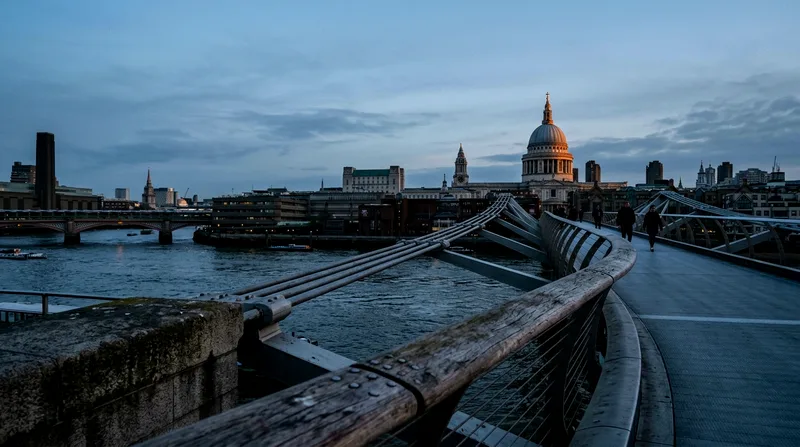
Walk south from the cathedral and you'll hit the Millennium Bridge within about five minutes — the pedestrian-only crossing offers the best photo angle of the dome, and it leads straight across the Thames to Tate Modern. The gallery is free to enter (special exhibitions cost extra), making it an easy, low-cost add-on after a dome climb that's already used up your energy and budget for the day.
Leadenhall Market and the City
Head the other direction and it's roughly a 15-minute walk to Leadenhall Market, a Victorian covered market with ornate ironwork that doubled as a filming location for the Harry Potter films' Diagon Alley scenes. It's a good lunch stop, with pubs and sandwich shops tucked under the cover — far less touristy in feel than Borough Market, though smaller too. The Monument to the Great Fire and the Bank of England Museum are both within a similar radius if you want to extend the City of London theme further.
Frequently asked questions
Can you walk into St Paul's Cathedral without a ticket?
Not for sightseeing — general admission requires a ticket, bought online or at the door. The one exception is attending a worship service, including Sunday services and Evensong, which is open to the public free of charge. During services you can't access the dome, galleries, or crypt, and wandering around for photos isn't appropriate.
Is it worth visiting inside St Paul's Cathedral?
Yes, especially if you plan to do the dome climb — that's where the real value sits. The nave and crypt alone are impressive but not dramatically more so than other major London churches. If you're not climbing, weigh the ticket price against a free Evensong visit instead, which shows you the interior without the galleries.
Is it free to go to the top of St Paul's Cathedral?
No. The dome climb to the Whispering Gallery, Stone Gallery, and Golden Gallery is included in the standard paid admission ticket, not sold separately and not free under any circumstance, including worship service attendance.
What discounts are available for St Paul's Cathedral tickets?
Concession rates generally apply to students, seniors, and children, and family tickets usually offer savings over buying tickets individually. Children under a set age (commonly around 6) typically enter free. Sightseeing passes like the London Pass sometimes bundle St Paul's — check whether that adds genuine savings for your itinerary before relying on it.
Can you buy tickets at the door?
Yes, walk-up tickets are sold at the entrance, but expect to pay slightly more than the online price and to queue, sometimes 20–30 minutes during busy periods like summer weekends. Booking online in advance is faster and marginally cheaper.