Plan your visit with our Westminster Abbey tickets guide: ticket types, verger-led tours, opening times and service closure days so you avoid a wasted trip.
Why Visit Westminster Abbey
Westminster Abbey isn't just another London church to tick off — it's the coronation church of England, a UNESCO World Heritage Site, and the resting place of seventeen monarchs along with scientists, poets and statesmen. If you're deciding whether it's worth the entry price and the queue, my honest view is yes, but only if you give it at least 90 minutes and go in knowing what you're looking at. Walking through without context is a waste of a ticket that costs roughly the same as a half-day museum pass elsewhere in Europe.
Compare it to Notre-Dame in Paris or St Patrick's Cathedral in Dublin, and Westminster Abbey wins on sheer density of history packed into one building. Notre-Dame is architecturally dramatic but, since its restoration, carries less of the "who's buried here" weight. Westminster Abbey has both the Gothic architecture and the guest list — Elizabeth I, Isaac Newton, Charles Darwin, Charles Dickens.
Coronations, Royal Weddings and Burials
Every English and British monarch since 1066, bar two, has been crowned in the Abbey, and the Coronation Chair still sits near the High Altar. It's also hosted major royal weddings, including Prince William and Catherine Middleton in 2011. Westminster Abbey is also a working royal burial site: Poets' Corner alone holds memorials to Chaucer, Shakespeare (a memorial, not a grave) and the Brontës. If you care about the "why" rather than just the "wow," this is the part worth slowing down for rather than rushing past toward the exit.
Highlights Inside the Abbey
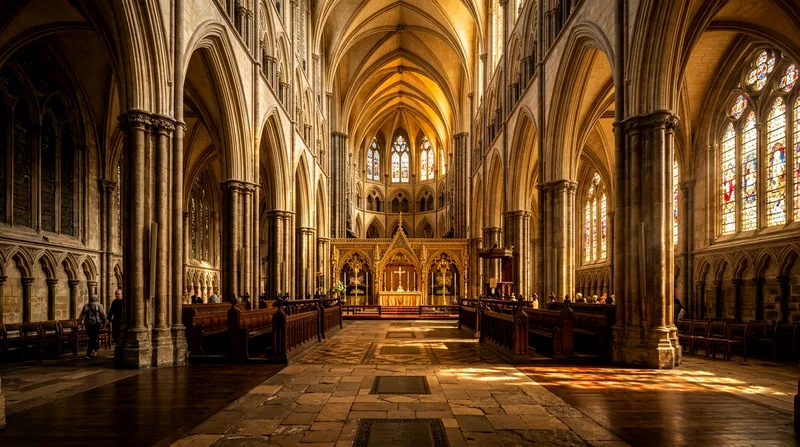
Beyond the main nave, don't skip the Lady Chapel, with its intricate fan-vaulted ceiling, or the Cosmati Pavement in front of the High Altar — a 13th-century mosaic floor usually kept covered except for scheduled viewing times. The Cloisters and the Chapter House, included in standard entry, are quieter and often overlooked, which makes them a decent place to decompress if the nave feels packed. The Queen's Diamond Jubilee Galleries, a newer addition reached via a narrow spiral stair, carry a worthwhile but physically demanding detour — not ideal if stairs are a problem for you.
Visiting Independently or With a Tour
This is really the first decision to make once you've settled on a date. Westminster Abbey offers a self-guided visit with an included or optional audio guide, and separately, verger-led guided tours that run at specific times and cost extra on top of admission. Both get you into the same building — the difference is depth and pacing, not access.
I'd steer most first-time visitors toward the audio guide for flexibility, and toward a verger tour if you're a serious history traveler who wants a human narrating the building's political and religious weight rather than a recorded script. Platforms like GetYourGuide and Civitatis also package Westminster Abbey into broader guided walks of Westminster — useful if you want the Abbey bundled with the Houses of Parliament and Churchill War Rooms into one morning, though you'll pay a premium over booking the Abbey direct.
A verger-led tour costs more and runs on a fixed schedule, while the audio guide option gives flexibility at a lower price.
Westminster Abbey tickets compared: self-guided, audio guide and verger tour
| Ticket Type | Typical Duration | Extra Cost Over Standard Entry | Best For |
|---|---|---|---|
| Standard entry, no audio | 45-60 min | None | Fast, budget visits |
| Standard entry with audio guide | 60-90 min | Often included | Most first-time visitors |
| Verger-led guided tour | approx. 90 min | Yes, booked separately | History-focused travelers |
| Multi-attraction pass (e.g. Go City) | Varies by itinerary | Bundled rate | Visitors doing 3+ paid sights |
Exact prices and inclusions change periodically; confirm current ticket options on the official Westminster Abbey site before booking.
Audio Guide Self-Guided Visit
The audio guide is typically included in the standard admission ticket and available in multiple languages, covering roughly an hour of commentary across the main routes. You move at your own pace, which matters here — the Abbey can get crowded by late morning, especially when cruise and coach groups arrive. The trade-off is that the audio guide can't adapt to your questions, and because sections like Poets' Corner cram in dozens of memorials, it's easy to walk past something significant without realizing it. Budget 60–90 minutes minimum for the self-guided route, longer if you want to read every panel.
Verger-Led Tour Experience
A Westminster Abbey verger tour is led by one of the Abbey's own clergy staff, runs for around 90 minutes, and typically includes access to areas or details the audio guide skips, like closer explanations of the Coronation Chair and royal tombs. Numbers are limited per tour and slots sell out faster than general admission, so book this well ahead if your travel dates are fixed. Rick Steves has long recommended verger tours specifically for this kind of UK religious site, and I agree — the extra cost buys genuinely better storytelling, not just priority access. The downside: you're on their schedule, not yours, and if you've got restless kids, 90 fixed minutes can feel long.
Westminster Abbey Ticket Types and Entry
Westminster Abbey tickets are sold as timed-entry admission for a specific date and arrival window, which helps control crowding but means you can't just turn up whenever. Standard adult admission sits in the same general bracket as London's other major paid attractions — expect to pay roughly what you'd pay for the Tower of London or St Paul's Cathedral, with discounts for students, seniors and children, and family tickets usually working out cheaper per person than buying individually. Prices change periodically, so treat any figure you see online, including this one, as a rough guide rather than gospel — check the official Westminster Abbey website for the current rate before you book.
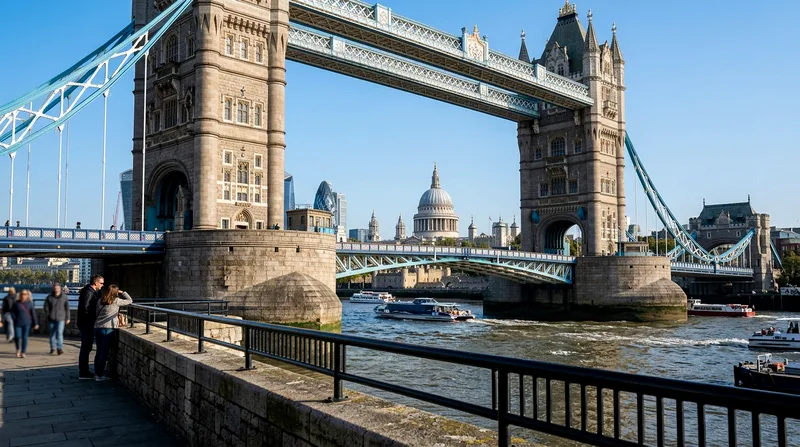
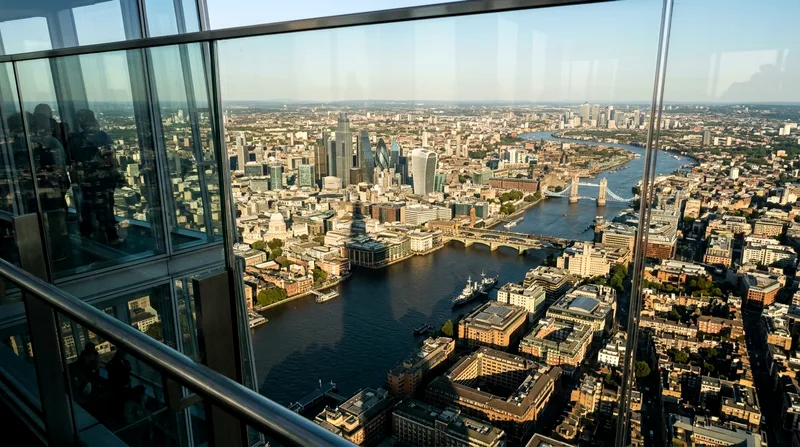
Multi-attraction passes such as Go City London bundle the Abbey with other sights at a blended daily or weekly rate, which can save money if you're also doing the London Eye, Tower Bridge or the Shard within the pass's validity window. Run the math first: if you're only doing two or three attractions, a pass often costs more than buying direct.
Booking Online and Skip-the-Line Entry
Booking online in advance, either through the official Abbey site or reputable resellers like GetYourGuide or Booking.com, gets you a designated time slot and a separate, faster-moving queue than the walk-up line. This isn't quite "skip the line" in the Louvre sense — it's closer to "skip the worse line" — but on a busy Saturday it still saves a real 20–30 minutes. Walk-up tickets are usually available but not guaranteed, particularly in summer and around Easter, so if your schedule is tight, don't gamble on showing up without a booking.
Accessibility, Photography and Group Bookings
The Abbey is largely wheelchair accessible on the main level, with step-free routes to most of the nave and transepts, though the Diamond Jubilee Galleries require stairs and aren't accessible by lift. Photography is generally not permitted inside the Abbey itself, which catches a lot of visitors off guard — phones are expected to stay in pockets except in the Cloisters and outside. Group bookings (typically 10 or more) go through a separate booking process with different pricing, relevant if you're organizing a school trip or a tour through operators listed on TripAdvisor or similar platforms.
Opening Times and Service Closure Days
Westminster Abbey's opening times vary by day and season, generally running mid-morning to mid-afternoon on most weekdays, with shorter hours on Saturdays and very limited or no tourist access on Sundays, when the Abbey is given over entirely to worship. This is the single most common reason people arrive disappointed — Sunday is a working church day, not a sightseeing day, regardless of what a third-party site implies.
This matters more here than at almost any other London landmark because the Abbey is a functioning place of worship, not a museum that happens to be old. State occasions, memorial services and royal events can close the building to visitors at short notice, sometimes with only a few days' warning published online.
Services, Events and Closed Days
Daily services — morning prayer, evensong, and sometimes additional services — run throughout the week and visitors are usually welcome to attend evensong for free, which is itself a good way to experience the building's acoustics without paying admission. But these services do mean certain areas close temporarily even on open days. Closure days for tourist visits typically include Sundays and specific religious holidays such as Christmas Day and Good Friday, plus occasional full closures for events like Remembrance Sunday or state funerals. None of this is predictable far in advance, which is exactly why you shouldn't book flights and hotels around an assumed open day without double-checking.
Checking Official Times Before You Go
Always verify opening times and closure notices on the official Westminster Abbey website within a week or two of your visit, not months out. Third-party platforms like Marriott Activities, hotel concierge desks, or even well-regarded guidebooks can lag behind real-time changes. If you're building a multi-day London itinerary — maybe pairing this with the Churchill War Rooms or a Thames river cruise — leave a buffer day or a flexible morning in case your first-choice date turns out to be a closure day.
Best Time to Visit and Nearby Add-Ons
Early morning, right at opening, is consistently the quietest window — arrive 15 minutes before doors open and you'll beat most coach groups by a good half hour. Late afternoon slots, when offered, run a close second since many day-trippers have moved on to Big Ben or the London Eye by then.
Nearby Westminster Sights
The Abbey sits within a five-minute walk of the Houses of Parliament, Big Ben, and St Margaret's Church, and about ten minutes from the Churchill War Rooms. It's an efficient cluster — more efficient, frankly, than trying to combine Amsterdam's Rijksmuseum with its Anne Frank House on the same day, given London's tighter Westminster footprint. Pair a morning Abbey visit with an afternoon at the Churchill War Rooms, or save energy and do the Abbey on its own with a riverside lunch along the Thames afterward.
Frequently asked questions
Do I need to book Westminster Abbey tickets in advance?
Booking ahead is strongly recommended rather than strictly mandatory. Walk-up tickets exist but aren't guaranteed, especially on weekends, school holidays and summer months. A timed online booking locks in your slot and moves you through a faster queue than the walk-up line.
When is Westminster Abbey closed to visitors?
Sundays are generally closed to tourist visits since the Abbey is used entirely for worship that day. Major religious holidays like Christmas Day and Good Friday see full or partial closures, and state occasions or memorial services can close the building with short notice. Always check the official site within a week of travel.
Is a verger-led tour of Westminster Abbey worth it?
If you want context rather than just access, yes. A verger tour runs about 90 minutes, led by Abbey clergy staff, and covers details the audio guide skips, including deeper stories around royal tombs and the Coronation Chair. It costs more and books up faster than standard entry, so reserve it early if your dates are fixed.
Can I skip the line at Westminster Abbey?
Online booking gets you into a faster-moving entry queue separate from walk-up visitors, which can save 20–30 minutes on busy days. It's not a true skip-the-line in the sense of bypassing all waiting, but it's a meaningful time saver during peak season.
What does the Westminster Abbey audio guide include?
The audio guide typically covers around an hour of narrated commentary across the main nave, Poets' Corner, the Lady Chapel and other core areas, available in multiple languages. It's usually included with standard admission, letting you move through at your own pace rather than following a guide's fixed timing.