Is the London Pass worth it? Work out how many attractions per day you need to beat paying individually, plus when to skip the pass and save.
Where Your London Sightseeing Money Goes
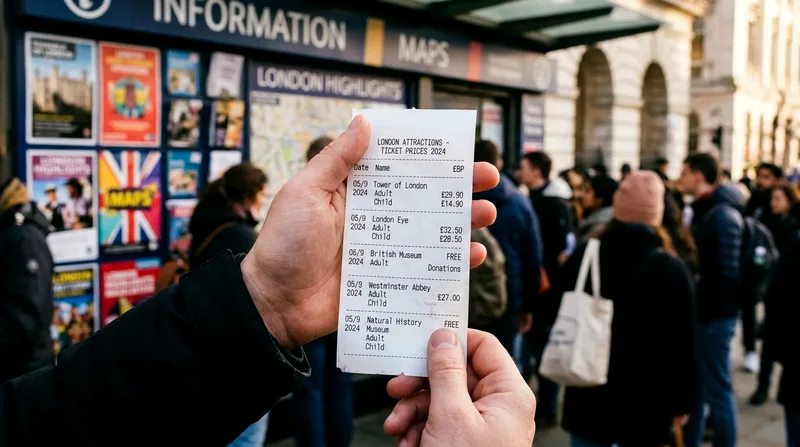
Most people underestimate how fast London attraction tickets add up. A single adult ticket to the Tower of London, the Shard viewing deck, or Westminster Abbey typically runs somewhere in the £25–£35 range on its own. Add two or three of those in a day and you've spent more than many day passes cost before lunch.
This is the real reason the "London Pass worth it" question keeps coming up in travel forums and on TripAdvisor threads — people get burned by one, then swear off all passes, or they buy one and barely use it. Both reactions miss the point. The pass is a tool for a specific kind of trip: short, attraction-dense, and planned in advance. It is not a universal discount.
Rick Steves has long argued that city passes suit travelers who want to "front-load" sightseeing and move fast, not those who prefer lingering over a single museum for half a day. That's a fair distinction to keep in mind here — the London Pass rewards volume, not depth.
Typical attraction cost categories
Roughly bucket London's paid attractions into three tiers. Tier one — big-ticket sights like the Tower of London, Windsor Castle add-ons, or the Shard — generally cost £25–£35 per adult. Tier two — mid-range sights like the Monument, Shakespeare's Globe exhibition, or the London Dungeon — land around £15–£25. Tier three — smaller museums, cruises, or walking tour add-ons — often sit at £10–£15.
A day that mixes one tier-one sight with two tier-two sights could easily total £55–£75 per adult. That's the number you're measuring the pass against, not the sticker price of a single attraction. Families should multiply this out per child too, since most sights charge a reduced but non-trivial child rate — rarely free beyond age four or five.
How the London Pass Break-Even Works
The break-even calculation is simple arithmetic, not magic, and you can do it on your phone in under five minutes before you buy anything.
Start with the pass price for your chosen duration — check the official London Pass site for current pricing, since it varies by number of days and whether you buy adult or child tickets. Then list every attraction you'd realistically visit on each day of your trip, with its standalone adult price. Add those up. If the sum of standalone prices across your pass's validity window exceeds the pass price, you're ahead. If it doesn't, skip the pass and pay as you go.
The catch most reviews skip: "realistically visit" is doing a lot of work in that sentence. Jet lag, queues, kids needing naps, and London's patchy weather all eat into your itinerary. Build in a buffer — assume you'll complete about 80% of your planned list, not 100%.
You typically need to visit two to three paid attractions per day to make the London Pass worth the upfront cost.
London Pass break-even by trip length: attractions needed per day to come out ahead
| Pass Duration | Attractions Needed Per Day | Best Trip Type | Risk of Underuse |
|---|---|---|---|
| 1-day | 3 or more | Fast-paced single day, no kids' naps | Low if planned tightly |
| 2-day | 2-3 | First-time visitors, moderate pace | Medium |
| 3-day | 2-3 sustained | Attraction-dense family trips | High |
| 5-6 day | 1.5-2 | Long stays mixing free and paid sights | Very high |
Figures are planning guidelines based on typical attraction pricing tiers; check current London Pass pricing and inclusions before buying.
The break-even formula step by step
Use this placeholder formula and plug in your own numbers:
Pass cost (P) ÷ Number of days (D) = Daily cost per person.
Then: Sum of standalone ticket prices for attractions visited that day (S) − Daily cost per person = Net saving or loss.
If S is consistently higher than P/D across your trip, buy the pass. If S hovers close to or below P/D on most days, you're better off buying individual tickets or a single combo ticket for your top two sights.
Do this per traveler, not per family — a 10-year-old's attraction prices are usually lower than an adult's, which shifts the math meaningfully for families carrying two or three kids.
Sample one-, two- and three-day scenarios
One-day trip: you want the Tower of London, a Thames river cruise, and the Monument. Three tier-appropriate tickets stacked together often clear the one-day pass price comfortably — this is close to the pass's sweet spot, assuming you actually get to all three before closing times.
Two-day trip: spread across Westminster Abbey, St Paul's Cathedral, the Shard, and two smaller sights like the Monument and a Thames cruise. Hitting roughly five paid attractions over two days usually clears a two-day pass, but only if you're moving briskly — this is where family pacing with young kids often falls short.
Three-day-plus trips: this is where the pass's value usually falls apart for ordinary travelers. You can't sustain three paid attractions daily for three straight days without burning out, and day three of most trips tends to include a free park, a market, or a slower neighborhood walk instead. Run the actual numbers for your itinerary before assuming a longer pass scales the same way.
Ways to Get the Most From the Pass
Buying the pass is the easy part. Getting your money's worth requires treating your trip like a logistics problem for at least one or two days.
Timing, pacing and clustering attractions by area
Group attractions geographically so you're not crossing London three times in a day on the Tube. The Tower of London, Tower Bridge, and a Thames cruise pier sit within a 10-minute walk of each other — that's an efficient cluster. Westminster Abbey, the Houses of Parliament area, and a Thames cruise from Westminster Pier form another.
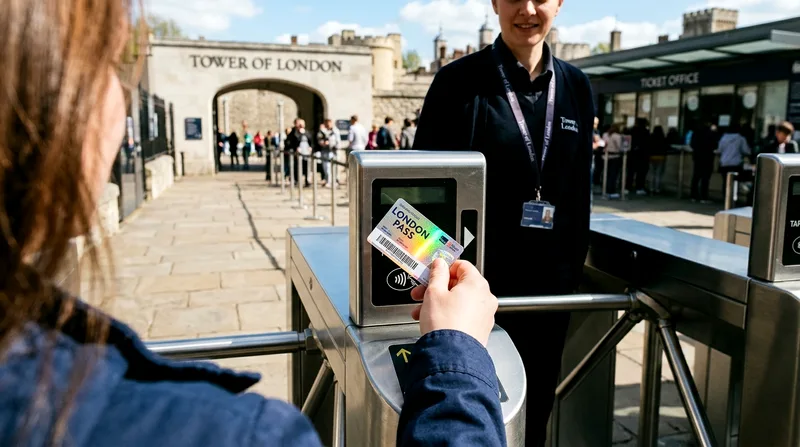
Start early. Most major sights open between 9:30am and 10am, and queues build fast by midday, especially at the Tower of London and St Paul's. The pass doesn't eliminate queuing entirely — some attractions still require a separate timed-entry booking even with the pass — so check each attraction's current entry rules in the app before you go.
An Oyster card or contactless payment for the Tube and buses is still your best bet for getting between clusters; the London Pass doesn't include transport, which surprises some first-time buyers who assume it's an all-in-one city card.
London Pass vs Go City and pay-as-you-go
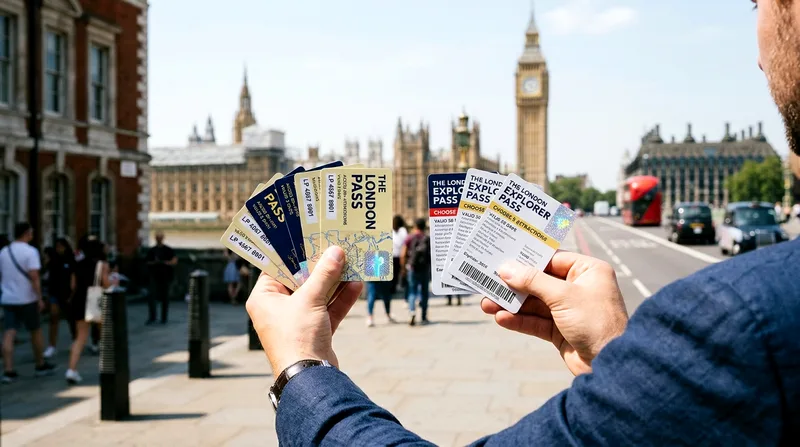
Go City runs its own London pass product — sometimes marketed as the Go City London Pass — alongside a similar offering, the London Explorer Pass, which lets you pick a set number of attractions rather than paying for unlimited access within a time window. That structure suits travelers who know exactly which four or five sights they want and nothing more.
The core London Pass, by contrast, is unlimited entry to included attractions within your purchased number of days — better for dense sightseeing days, worse if you only want a handful of specific sights. If your list is short and fixed, a Go City Explorer-style pick-your-own pass or straightforward individual tickets usually beats the unlimited pass on price. If your list is long and flexible, the unlimited version wins.
Compare both against simply buying a combo ticket directly from an attraction's own site — many London sights, including the Tower of London, offer their own multi-site bundles that can undercut either pass if you're only after two or three specific things.
When the London Pass Isn't Worth It
There's no shame in skipping the pass. For a lot of trips, it's simply the wrong tool, and plenty of reviews online oversell it because the affiliate commission incentivizes a "yes" answer more than an honest one.
Solo, family and slow-pace travellers
Solo travelers moving at a relaxed pace — one attraction a day, long lunches, wandering Borough Market or Hyde Park — will almost never hit break-even. You're paying for unused capacity.
Families with toddlers face a different problem: nap schedules and meltdown risk cap you at one or two attractions daily no matter how well you plan, and kids under a certain age often get free or steeply discounted entry anyway, which shrinks the standalone-ticket total you're comparing against. Run the numbers per child specifically — a family of four where two kids enter free changes the math substantially compared to one priced as four full adults.
Senior travelers managing a slower walking pace should also be cautious: the pass pressures you to rush between sights to extract value, which works against a comfortable trip.
Free attractions and cheaper alternatives
London's biggest advantage over cities like Paris or Rome, where major sights almost all charge entry, is its free national museums — the British Museum, Natural History Museum, Tate Modern, and National Gallery cost nothing to enter. A trip built around these plus a couple of paid highlights rarely benefits from any pass at all.
If your worth seeing list leans heavily on free sights with maybe one or two paid add-ons, buy those individually. Compare that to Amsterdam's I Amsterdam City Card or Dublin's Pass — both face the same break-even math, and in all these cities, the pass only wins when your itinerary is already attraction-heavy by design, not because the city made you buy one.
What Not to Skimp On
Saving money on a pass decision is only useful if you don't undercut it elsewhere by cutting corners that cost you time or a ruined morning.
Transport, timed entry and key worth seeings
Don't skip a proper Oyster card or contactless setup to save a few pounds on single bus fares — pay-as-you-go capping on Oyster or contactless is usually cheaper than buying individual paper tickets, and it works across the Tube, buses, and most rail within London.
Don't skip booking timed entry slots for popular sights even if you hold the pass. Buckingham Palace's State Rooms are only open seasonally (typically summer, plus some winter dates) and require a separate timed ticket that isn't bundled into most sightseeing passes — check this specifically, since it's a common point of confusion. St Paul's Cathedral and the Tower of London also benefit from pre-booked slots during peak season.
Don't skimp on the hop-on-hop-off (HOHO) bus if orientation is your actual goal on day one — some pass bundles include a HOHO route, and for first-time visitors it's a genuinely useful way to see the city's layout before committing to walking routes on foot for the rest of the trip.
London Pass Booking Checklist
Before you buy, write down your actual worth seeing list — not an aspirational one — and price each entry individually using each attraction's official website. Add them up per day of your trip.
Check the pass duration options and compare the per-day cost (pass price ÷ days) against your daily ticket total from that list. Confirm which attractions require separate timed-entry bookings even with the pass, since this varies and changes seasonally — Buckingham Palace and some Tower of London slots are the ones to double-check.
Decide between the unlimited London Pass and a pick-your-own option like the London Explorer Pass or Go City's equivalent, based on whether your list is long and flexible or short and fixed. Factor in child pricing separately rather than assuming a flat family multiplier. Finally, compare current prices directly on the official pass site before booking — prices and included attractions shift periodically, and the only reliable number is the one on the page at checkout.
Frequently asked questions
How many attractions do you need to visit for the London Pass to be worth it?
As a rule of thumb, you need roughly two to three paid attractions per day to clear a typical pass's per-day cost. One heavily priced sight like the Tower of London plus two mid-range sights, such as the Monument and a Thames river cruise, usually gets you there on a single busy day.
Which London Pass duration is best to buy?
One- and two-day passes tend to deliver the clearest value because it's realistic to sustain two to three paid attractions daily over that short a window. Three-day-plus passes require you to keep that pace going longer, which most travelers — especially families — struggle to maintain without a rest day.
What is the difference between the London Pass and the Go City pass?
The London Pass offers unlimited entry to included attractions within your purchased number of days. Go City sells both a similar all-inclusive pass and a pick-your-own option, the London Explorer Pass, where you choose a fixed number of attractions rather than unlimited access. Pick-your-own suits short, specific lists; unlimited suits dense, flexible sightseeing.
Is the London Pass worth it for families?
It depends on pacing and child ages. Families able to hit two to three attractions a day across several people often break even quickly, since the savings multiply per traveler. Families with toddlers who can only manage one sight a day, or whose young kids already enter many attractions free, usually lose money on the pass.
Does the London Pass include Buckingham Palace?
Palace access varies by season and ticket type, and the State Rooms tour typically requires a separate timed-entry booking rather than automatic pass access. Always check the current list of included attractions and any seasonal exclusions on the official pass site before assuming Buckingham Palace is covered.