Learn how to save on London tours with combo bundles, off-peak slots, pass inclusions and smart booking habits, plus where not to cut corners.
Where Your London Tour Money Goes
Ask anyone who has done London on a budget and they'll tell you the same thing: it's not one big expense that wrecks the trip, it's a dozen small ones. A family of four can easily spend more on transport and snacks across five days than on the attractions themselves. Before you look at how to save on London tours, it helps to see where the money actually leaks out — because the fix for transport costs isn't the same as the fix for ticket costs.
London is not a cheap city, and pretending otherwise leads to bad budgeting. Compare it honestly: a day of sightseeing in London typically costs more than the same day in Dublin or Edinburgh, mostly because entry fees to major paid attractions (the London Eye, the Tower of London, Warner Bros. Studio Tour) sit higher than equivalent sights in those cities. Paris and Rome have a similar density of expensive, iconic, non-negotiable sights, so if you've budgeted for either of those, London will feel familiar rather than shocking.
Entry tickets, guided tours and transport
Three categories eat most of a sightseeing budget: entry tickets to paid attractions, guided tours (walking, boat, bus), and transport to move between them. Entry tickets are usually the biggest single line item if you're doing the London Eye, Tower of London, and a West End show in the same trip. Guided tours vary enormously — a two-hour small-group walking tour costs far less than a private guide, and a hop-on hop-off bus ticket costs less again, though you get less depth. Transport is the one people underestimate; buying single Tube or bus tickets instead of capping your daily spend can quietly double what you pay to get around.
Hidden extras that inflate the total
The real budget killers are the extras nobody plans for: booking fees on third-party ticket resellers, "skip the line" upcharges you didn't need because you booked a timed slot anyway, audio guide rentals at attractions that already include one, and food bought inside tourist sites at a serious markup. I'd also flag taxis from the airport or between central sights — the Elizabeth line or the Tube will get you there for a fraction of the cost, and in central London traffic, often faster too.
Combo Bundles and Sightseeing Passes
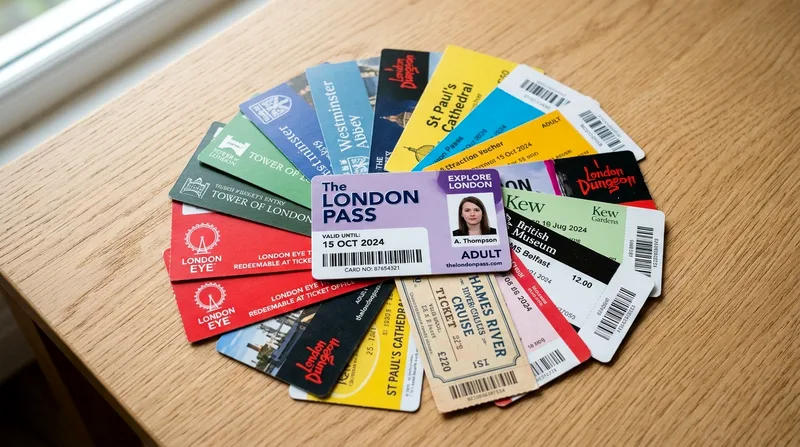
A London sightseeing pass can genuinely save money, but only for a specific kind of traveler: someone visiting several paid attractions in a short, dense window. The London Pass, for instance, bundles entry to a long list of attractions into one upfront cost, with options for one to ten days. If you're planning to hit four or five paid sights in two or three days — say the Tower of London, Westminster Abbey, a Thames cruise, and a couple of smaller museums — the math can work in your favor.
Where it falls apart is when people buy a pass as a general "just in case" purchase. If your itinerary includes a lot of free museums (the British Museum, the National Gallery, the Natural History Museum are all free to enter), a pass covering paid attractions you won't fully use is dead money. I've seen the same mistake with Rome's attraction cards and Dublin's heritage passes — they work brilliantly for dense, attraction-heavy days and poorly for relaxed, museum-and-pub itineraries.
A multi-attraction pass only saves money if you can realistically visit enough paid sights to outpace buying tickets separately.
London sightseeing pass and combo ticket options compared
| Option | Best for | Typical validity | Booking lead time |
|---|---|---|---|
| Multi-attraction city pass (e.g. London Pass) | Dense 2-4 day sightseeing trips | 1-10 consecutive days | Book online 1-2 days ahead |
| Two-site combo ticket (e.g. Tower of London + Tower Bridge) | Visitors doing just 2 linked sights | Single visit, often same day | Book a few days ahead for popular dates |
| Individual timed-entry tickets | Travelers mixing free and paid sights | Single visit | Book 1-7 days ahead in peak season |
| Travelcard/Oyster pay-as-you-go | Anyone using the Tube or bus daily | Daily cap per day | No advance booking needed |
| Free walking tour (pay-what-you-wish) | Budget travelers, first orientation day | Single 2-3 hour session | Reserve a spot online, arrive 10 min early |
Typical figures based on standard terms; always confirm current inclusions, validity and prices on the official site before booking.
When a pass pays off and when it does not
Do the arithmetic before you buy, not after. Add up the standard admission price of every paid attraction you're confident you'll visit, then compare that total to the pass price for the matching number of days. If the attractions you'd actually queue up for cost more individually than the pass, buy it. If you're only doing two paid sights and a lot of free walking and parks, skip it — you'll save more buying tickets individually or combining two attractions into a single combo ticket, which many operators sell directly (Tower of London and Tower Bridge is a common pairing, as is the London Eye with a river cruise).
Checking what is actually included
Passes change their inclusion lists more often than people expect, and terms around "skip the line" access vary by attraction — some locations still require you to book a specific entry slot even with the pass. Always check the official pass website directly before buying, not a resale comparison site, and confirm whether popular add-ons like Warner Bros. Studio Tour or the London Dungeon are included outright or offered at a discount only. Read the fine print on expiry — most passes run on consecutive calendar days from first use, not flexible days spread across your trip.
Timing Tactics: Off-Peak Slots and Booking Early
Timing is the most underrated lever in London, and it costs nothing to use. Off-peak London tours and attraction slots aren't always cheaper in listed price, but they save money indirectly — shorter queues mean you don't need to pay extra for skip-the-line access, and quieter guided tours tend to run smaller, better groups for the same ticket price.
Weekday, early and late-day slots
Weekday mornings, especially Tuesday to Thursday, are consistently quieter than weekends at major sights like the Tower of London or the London Eye. First entry slots (often the first hour after opening) and the last one or two slots before closing both tend to have shorter lines. School holiday periods in the UK — particularly late July through August, and the two weeks around Christmas — push prices and crowd levels up across the board, similar to what you'd see in Rome or Barcelona during European school breaks. If you can travel in late winter or early spring instead, you'll find both tours and flights cheaper.
Seasonal timing and advance booking
Booking ahead doesn't just secure your spot — many attractions and tour operators price timed entry lower for advance online booking than for walk-up purchase, since walk-up slots carry a premium for convenience. For anything involving a specific date — a Thames river cruise, a West End show, a Harry Potter studio tour — booking two to four weeks out gives you both better availability and, often, a better starting price before the closer-in slots sell out and only premium times remain. Don't wait until you land; London's popular time slots for family-friendly tours do sell out, particularly around UK school holidays.
Free Tours, Museums and Transport Savings
London's biggest hidden advantage over Paris or Rome is its free museums. The British Museum, the Natural History Museum, the Science Museum, the Victoria and Albert Museum, and the National Gallery all charge no general admission — only special exhibitions cost extra. That's a huge chunk of a typical itinerary covered at zero cost, something you simply don't get in Paris, where the Louvre and Musée d'Orsay both charge full admission.
Pay-what-you-wish walking tours and tipping
Free London walking tours are genuinely good here — there's a deep bench of guides covering Westminster, the City, Soho, and Jack the Ripper-themed routes through the East End. They run on a pay-what-you-wish model, meaning you reserve a spot online at no upfront cost and tip at the end based on what you felt the tour was worth. As a rough guideline, £10–£15 per person for a two-hour tour is a fair tip if the guide was knowledgeable and the group small; tip less if the group was oversized and rushed. Rick Steves has long recommended this same model across European cities, and it works the same way in Dublin and Edinburgh.
Oyster, contactless and rail discounts
For transport, skip single paper tickets entirely. Tap in with a contactless bank card or an Oyster Card, and TFL automatically caps your daily and weekly spending at the same rate as a paper Travelcard, without you having to calculate anything. If you're arriving by train from elsewhere in the UK, check whether a National Rail Pass or a railcard reduces your fare in advance — booking rail tickets a few weeks ahead is almost always cheaper than buying on the day. Avoid black cabs and ride-shares for anything the Tube or bus covers directly; in daytime traffic, they're rarely faster and cost several times more.
What Is Not Worth Skimping On
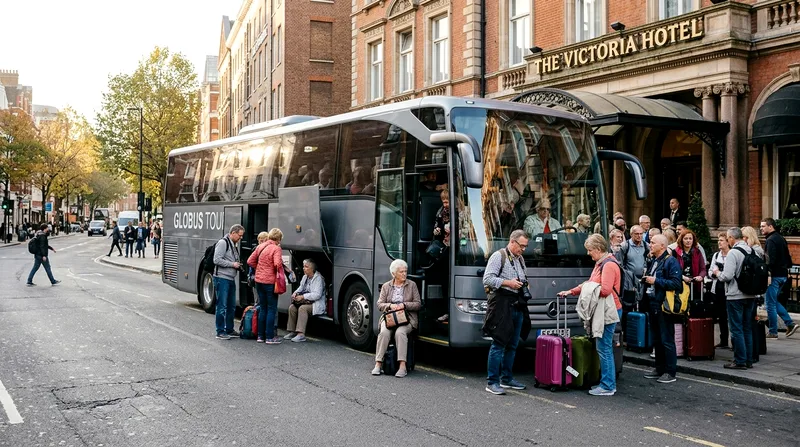
Saving money on London tours is about redirecting spend, not eliminating it everywhere. Cut corners in the wrong place and you end up with a cheaper but noticeably worse trip — stuck in a two-hour queue, or on a 40-person bus tour where you can barely hear the guide.
Signature attractions and skip-the-queue access
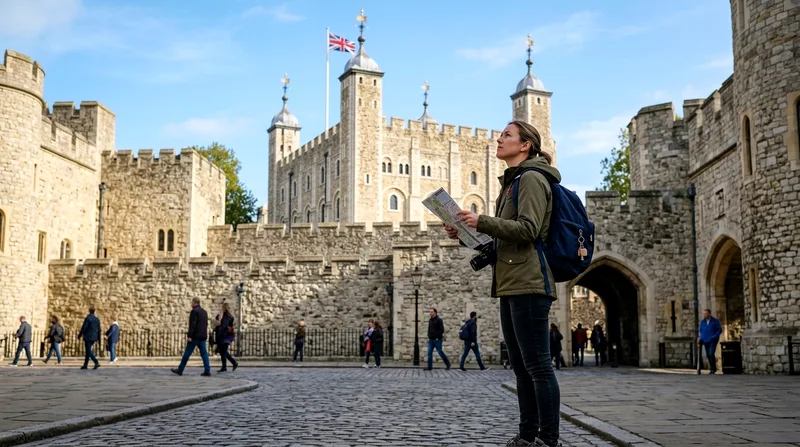
For a small number of signature sights — the Tower of London, Westminster Abbey, St Paul's Cathedral — timed entry or skip-the-line tickets are worth the modest premium, especially in summer. The alternative is standing in an un-shaded queue for sixty to ninety minutes, which eats into your day more than the ticket upcharge eats into your budget. This is one spot where I'd happily spend a bit more than the absolute cheapest option.
Quality guides and small-group experiences
Don't chase the cheapest guided tour if it means a group of 50 people trailing a guide holding up a flag. Small-group tours (under 15 people) cost more per head, but you actually hear the guide, ask questions, and move at a sensible pace. This matters most for history-dense sights like the Tower of London or the Houses of Parliament, where context changes what you're looking at. It matters less on a hop-on hop-off bus, where the format is already low-interaction, so there's no reason to upgrade that one.
London Tour Booking Checklist
Before you book anything, run through this list. First, map out the paid attractions you're genuinely committed to and total their standard admission — this tells you instantly whether a pass makes sense. Second, book timed entry for your two or three worth seeing sights two to four weeks ahead, prioritizing weekday mornings or late afternoons. Third, set up contactless or an Oyster Card on arrival and never buy single paper Tickets. Fourth, slot in at least one free walking tour on day one — it's a good orientation and costs you only a tip. Fifth, build your free-museum visits (British Museum, National Gallery, V&A) into quieter afternoon or evening slots, since several stay open late one evening a week. Finally, where you stay affects your budget more than people realize: areas like Zone 2 neighborhoods (Shoreditch, Peckham, Greenwich) run noticeably cheaper than central Zone 1 hotels, and the Tube still gets you into the center in 20–30 minutes.
Compare this to planning a Paris or Amsterdam trip, where transit zones work similarly but museum admission is rarely free — London's free national museums are the one area where your money genuinely goes further than most European capitals.
Frequently asked questions
How can I get discounts on London attractions?
Book timed-entry tickets directly through official attraction websites in advance rather than walk-up or third-party resellers, since advance online pricing is usually lower. Combine two or three linked sights into a combo ticket where offered (Tower of London with Tower Bridge, for example), and check whether a multi-attraction pass covers enough of your itinerary to beat buying tickets separately.
What is the London Pass and is it worth it?
The London Pass is a prepaid card covering entry to a long list of paid attractions over a set number of consecutive days. It's worth it if you're visiting four or more paid sights in two to four days; it's a poor fit if your trip leans on free museums and parks, since you'd be paying for access you won't use.
Are there free walking tours in London?
Yes — several operators run pay-what-you-wish walking tours covering areas like Westminster, the City, and the East End. You reserve online at no upfront cost, join a group of typically 15–25 people, and tip the guide at the end based on quality.
How much should I tip on a free walking tour?
A reasonable guide is £10–£15 per person for a two-hour tour if the guide was engaging and the group manageable. Tip toward the lower end for large, rushed groups, and feel free to tip more for a guide who clearly went beyond the standard script.
How do I reduce TFL costs in London?
Use a contactless bank card or Oyster Card for every journey instead of single paper tickets — TFL automatically caps your spend at the daily and weekly rate. Avoid taxis and ride-shares for short central journeys the Tube or bus already covers, and walk between sights that are within 15–20 minutes of each other rather than paying for a one-stop ride.