Compare London guided tours with self-guided sightseeing on cost, queues, context and flexibility to see which sights are worth a guide and which to do alone.
Guided vs Self-Guided: The Options at a Glance
London guided tours come in more shapes than most visitors realize, and that variety is exactly why the guided-versus-self-guided question doesn't have one answer. A two-hour walking tour through the City of London costs and feels nothing like a half-day private guide, and a self-guided audio tour of the Tower of London is a different experience entirely from wandering Hyde Park with no plan at all. The right call depends on the sight, your budget, and how much you actually want someone talking in your ear.
Operators like London Walks Company have run themed walking tours for decades, covering everything from Dickens' London to true crime. Golden Tours runs the bigger bus and combo-ticket side of things — hop-on hop-off buses bundled with river cruises and attraction entry. Tours by Locals and the Guide London directory (the professional body for Blue Badge guides) are where you go for private, vetted guides rather than a fixed group tour. Visit London's official site lists sanctioned operators if you want a baseline of legitimacy before booking.
Guided tour formats: walking, bus, boat and private
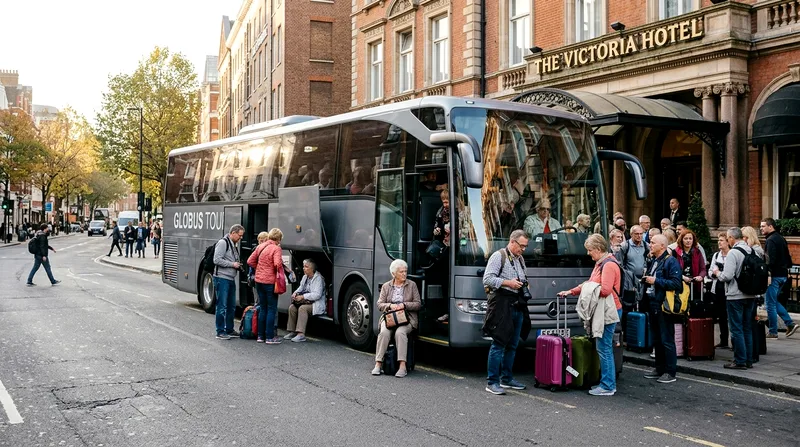
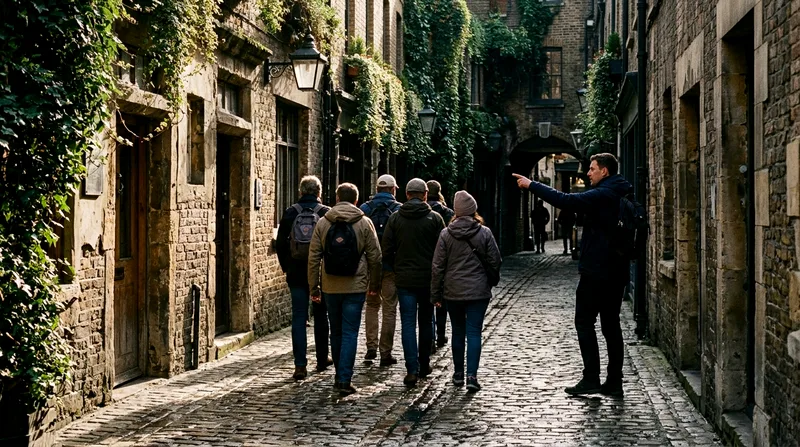
Walking tours are the cheapest entry point into guided London, typically running two to three hours and covering one themed area — Jack the Ripper's Whitechapel, the Tower of London's grounds, or a Harry Potter Warner Bros Studio add-on tour that bundles transport with the studio visit. Bus tours (hop-on hop-off) trade depth for coverage — you'll pass 30+ landmarks in a day but get commentary through headphones, not a live guide reacting to your questions. Boat tours along the Thames fall somewhere between — scenic and relaxed, with light commentary, good for a first orientation lap rather than deep history. Private guides, booked through Tours by Locals or Guide London, cost the most but flex to your pace and interests entirely; worth it for mobility-limited travelers or families who don't want to match a stranger's walking speed.
Self-guided formats: audio guides, apps and DIY routes
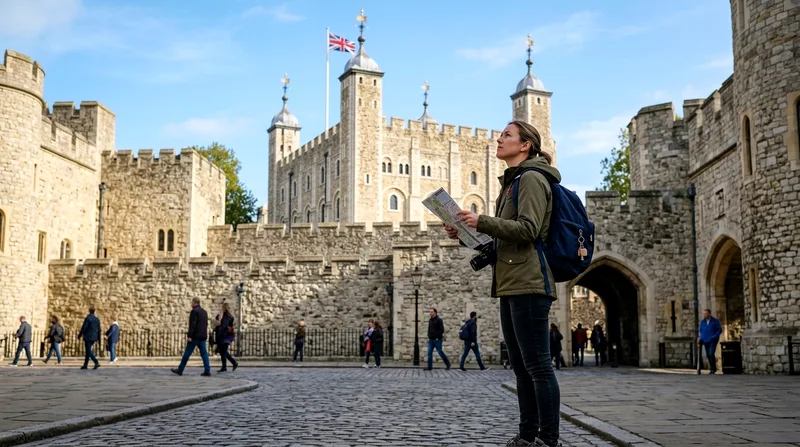
A London audio guide tour — rented on-site at places like Westminster Abbey or the Tower of London, or downloaded free through apps — gives you guide-level facts without the fixed pace or group size. You press pause when you want a coffee; a live guide doesn't. Rick Steves' free audio tours (available as app downloads) cover several major sights and are a reasonable substitute for a paid guide if you're disciplined about following along. DIY routes work best in walkable, self-explanatory areas — the South Bank, Borough Market, Camden — where there's no single narrative to follow, just things to notice as you go.
Head-to-Head: Cost, Time, Effort and Crowds
On paper, self-guided always looks cheaper, and mostly it is. But the comparison isn't just about money — it's about what you're trading for that lower cost: time standing in queues, effort figuring out context on your own, and the risk of missing something a guide would have pointed out in passing.
Guided tours cost more but save time and add context, while self-guided options are cheaper and more flexible but require more legwork.
London guided tours vs self-guided sightseeing compared by cost, time and flexibility
| Option | Cost Level | Time Saved | Flexibility | Best For |
|---|---|---|---|---|
| Walking tour (group) | Medium | Moderate | Low-Medium | First-timers wanting context |
| Private guide | High | High | High | Families, mobility needs, deep dives |
| Bus tour (hop-on hop-off) | Medium | Low-Moderate | Medium | Quick overview of many sights |
| Boat tour (Thames) | Medium | None | Medium | Scenic orientation, relaxed pace |
| Audio guide (on-site/app) | Low | Low-Moderate | High | Independent travelers, museums |
| Fully self-guided (no audio) | Low | None | High | Parks, markets, casual walking |
Cost levels are relative, not fixed prices — check current prices when booking, since they vary by season and operator.
Cost level and value for money
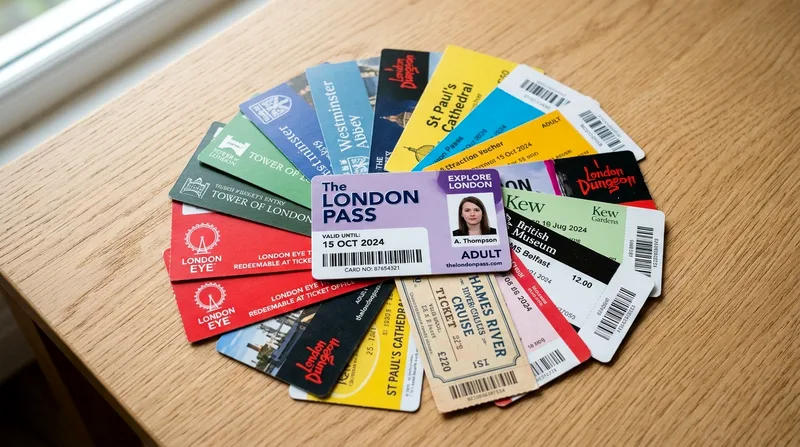
Self-guided sightseeing is low-cost by default — entry tickets plus maybe a £5-£8 audio guide rental. Group walking tours sit at medium cost, often in the £15-£30 range per person for a couple of hours. Private guides are high-cost, sometimes £150-£300+ for a half-day, but that's typically for the whole group, not per person — which changes the math fast for families of four or five. Themed tours like Jack the Ripper walks or Harry Potter-linked experiences tend to sit mid-range, and their value depends entirely on whether you care about the theme — paying for a Ripper tour when true crime doesn't interest you is money wasted regardless of how good the guide is.
Queue access, pace and group size
This is where guided tours earn their keep. Many group and private tours include pre-booked or fast-track entry at places like the Tower of London or Westminster Abbey, saving 30-60 minutes of queuing during peak season. Self-guided visitors can often buy timed-entry tickets in advance too, narrowing that gap — but walk-up queues at the busiest sights in July and August can still run long without one. Group size matters more than people expect: a tour of 25 people moves slowly and you'll strain to hear the guide near major monuments; a private guide or a small-group walk (under 15) feels closer to a conversation. If crowds bother you, ask about group size before booking, not after.
Context and Flexibility: What You Gain or Lose
The guided-vs-self-guided debate really comes down to this trade: a guide gives you compressed expertise, a self-guided day gives you control over your own clock. Neither is objectively better — it depends on whether you'd rather be told what matters or decide for yourself.
Storytelling, history and expert insight
London's history is dense and overlapping — Roman walls under medieval churches under Victorian rebuilds under Blitz damage under modern glass towers, sometimes on the same block. A trained guide, particularly a Blue Badge guide sourced through Guide London, can untangle that in a way a plaque never will. This matters most in areas like the City of London, Westminster, and the Tower of London, where the story isn't visible on the surface. A sign tells you a building is 900 years old; a guide tells you why that matters and what happened there. For sights with a simpler, visible story — a park, a market, a view — this advantage mostly disappears.
Freedom to linger, skip and change plans
Self-guided sightseeing wins on freedom, full stop. You can skip the room that bores you, double back for a second look, sit down for twenty minutes, or change your whole afternoon because it started raining. Group tours run on a schedule — if you're the person who wants to read every caption in a museum, a guided group tour will frustrate you, because the group moves on without you. Families with young children often find fixed-pace tours stressful for this exact reason — a toddler meltdown doesn't pause for the guide's schedule. If flexibility matters more to you than depth, lean self-guided and save the guide budget for one or two sights that truly need it.
London Sights That Benefit From a Guide
Not every landmark needs narration, but some genuinely reward it — and this is where spending on London guided tours pays off rather than just feeling like an upsell.
Layered history areas, themed walks and hidden corners
The Tower of London benefits enormously from a Yeoman Warder tour (included free with admission) or a paid guide who can explain the site's nine centuries of use as fortress, prison, and treasury in a way that's hard to piece together from signage alone. Whitechapel and the East End work best with a themed walk — London Walks Company's Jack the Ripper tours succeed because they stitch together ordinary-looking streets into a coherent, eerie narrative you wouldn't construct alone. Westminster Abbey's self-guided audio tour is decent, but a live guide can answer follow-up questions about the 3,000+ burials inside, which the audio script can't. Harry Potter Warner Bros Studio Tour technically is self-guided once inside, but the transport-and-ticket packages sold as "tours" solve a real logistical headache — the studio sits well outside central London, and getting there independently by train and shuttle bus eats into your day.
London Sights You Can Easily Do Alone
On the flip side, plenty of London's best-known stops don't need a guide's help, and paying for one there is mostly paying for company, not information.
Parks, markets, museums and riverside walks
Hyde Park, Regent's Park, and the South Bank riverside walk from Westminster Bridge to Tower Bridge are entirely self-explanatory — you're there to look at the river, the London Eye, and street performers, not to absorb dense history. Borough Market and Camden Market reward wandering more than narration; a guide would just slow you down between food stalls. The British Museum and the National Gallery both offer free self-guided routes via their own apps, , the free admission (a real rarity among world capitals — Paris's Louvre and Rome's Vatican Museums both charge significant entry fees) makes it easy to return on a second day instead of rushing through with a tour group on a fixed schedule. Covent Garden, Notting Hill, and most of Mayfair are similarly fine without a guide — pleasant to walk, not historically complicated enough to need one.
Who Should Pick Which: Our Verdict
There's no single right answer here, which is probably unsatisfying if you wanted a simple rule — but the honest verdict is that the smartest London itineraries mix both approaches rather than picking one philosophy and sticking to it all week.
Best picks by traveller type and a hybrid approach
Families with children under ten: lean self-guided for most of the trip, and book one short, child-friendly guided walk (Tower of London's Yeoman Warder tour is free and genuinely engaging for kids) rather than a long private tour that will test everyone's patience. Solo travelers: group walking tours are a good value, and a social bonus — London Walks Company runs daily departures on fixed routes without needing a booking days ahead. Couples and senior travelers who want comfort and context without rushing: a private guide through Tours by Locals is worth the higher cost, since you set the pace and skip the parts that don't interest you. European travelers on a short city break — coming from Paris, Amsterdam, or Brussels for a long weekend — often do better self-guided with an app, since you likely already know the broad historical context and just need logistics, not a lecture. World travelers comparing London against Edinburgh, Dublin, or Barcelona for guided-tour value: London's guided scene is larger and more specialized (the themed-tour market, especially true crime and literary walks, is deeper here than in most European capitals), so it's worth using that variety rather than defaulting to a generic bus tour. If you're unsure where to start, check current prices and availability for a single themed walking tour and a one-day travel pass, and self-guide the rest.
Frequently asked questions
Are London guided tours worth the money?
For a handful of sights — the Tower of London, Whitechapel's Ripper history, Westminster Abbey — yes, because the history is layered enough that context genuinely improves the visit. For open spaces, markets, and visually simple landmarks, you're mostly paying for company and convenience, not insight you couldn't get from a free audio app.
Can I do a self-guided tour in London?
Easily. London's transport network (the Tube, buses, and walkable central zones) makes independent sightseeing straightforward, and most major museums and landmarks offer their own app-based or rented audio guides. The main limit is queue-skipping — self-guided visitors sometimes wait longer at peak-season landmarks unless they book timed tickets in advance.
Are audio guides a good alternative to a live guide in London?
Mostly yes, for a lower cost — typically £5-£8 to rent on-site, or free through apps like Rick Steves' audio tours. You lose the ability to ask follow-up questions and the guide's read on which details matter most, but you gain full control over pacing, which matters a lot in crowded museums.
Which London attractions benefit most from a guide?
The Tower of London, Westminster Abbey, the City of London's hidden Roman and medieval remnants, and themed walks like Jack the Ripper tours in Whitechapel. These all involve history that isn't visible on the surface — a guide connects dots that signage can't.
What is the difference between private and group tours in London?
Group tours (via London Walks Company or similar) run on a fixed schedule with a set group, usually 10-25 people, at a lower per-person cost. Private tours, booked through Tours by Locals or Guide London, cost more overall but are priced per group rather than per head, flex to your pace and interests, and suit families or anyone with mobility needs.