Compare London Travelcard price by zone and duration, see how it stacks up against contactless caps, and learn when 2-for-1 offers pay off.
What a London Travelcard Is
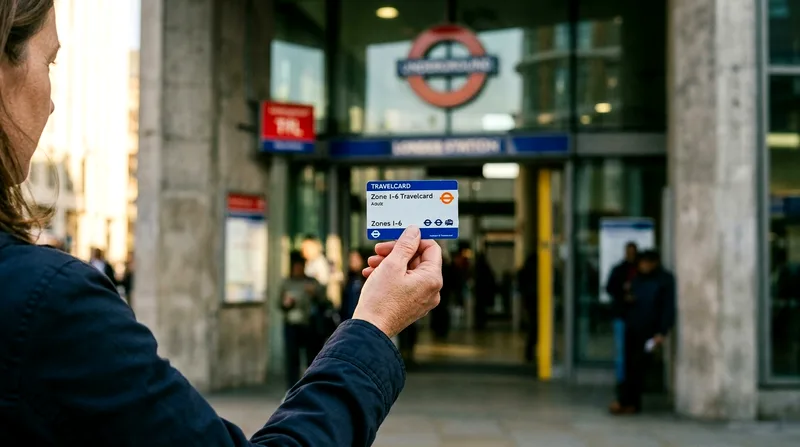
A London Travelcard is a paper or smartcard ticket sold by Transport for London (TfL) and National Rail that covers unlimited travel on the Tube, buses, trams, the Overground, the Elizabeth line, and most National Rail services within a set zone range for a set period. It's a flat-fee product — you pay once, upfront, and the London Travelcard price doesn't change no matter how many journeys you cram into the validity window.
That's the appeal, and also its limitation. If you're the type who wants to know the total transport cost before you land at Heathrow, a Travelcard gives you certainty. Contactless and Oyster, by contrast, charge per journey up to a daily or weekly cap — usually cheaper in practice, but less predictable if you're budgeting in cash terms before the trip.
Travelcards are sold in Zones 1-2, Zones 1-6, and a few other zone combinations depending on where you're staying and traveling. They're aimed squarely at people who don't want to deal with topping up an Oyster card or worry about whether their foreign bank card will apply contactless caps correctly — which, to be fair, it usually does, but not everyone trusts that on a first trip.
One-day, 7-day and longer validity
The Day Travelcard covers a single day of travel after 09:30 on weekdays (anytime on weekends and public holidays) within chosen zones, and it's the least commonly worth buying since contactless capping does the same job for less. The 7 Day Travelcard London visitors buy most often runs for seven consecutive days from any start date — not Monday to Sunday — which matters if you arrive mid-week. There are also Monthly and Annual Travelcards aimed at residents and long-term visitors, which fall outside what most tourists need. Check TfL's website for the current approximate price before booking anything, since fares are reviewed periodically and typically rise each January.
What a Travelcard Includes and Excludes
A Travelcard covers the Tube, London Overground, Elizabeth line, DLR, trams, and most London buses within its zone range, plus suburban National Rail services operated by companies like Greater Anglia, Southwestern Railway, and GWR (Great Western Railway) — provided those journeys stay within the Travelcard's zones. That National Rail integration is a genuine advantage over Oyster pay-as-you-go in some cases, since Oyster isn't accepted on every National Rail route, whereas a Travelcard almost always is within its zone coverage.
What it doesn't cover: airport express services like the Heathrow Express, the Emirates Air Line cable car (unless you buy that separately), and anything outside your purchased zones. Stray into Zone 3 on a Zones 1-2 Travelcard and you'll need to pay an "excess fare" at the other end, which is an annoying way to lose the simplicity you paid for.
Zone coverage and National Rail use
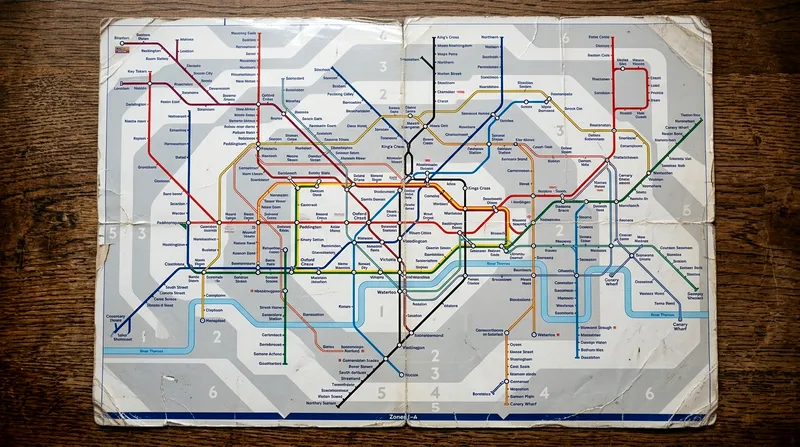
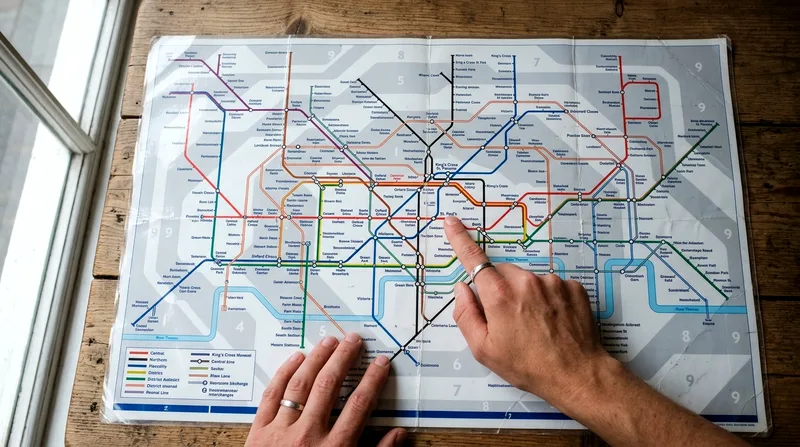
Central London — the area tourists spend 90% of their time in, covering the West End, the City, and most major museums — sits entirely within Zones 1-2. Greenwich, Hampton Court, and Heathrow sit further out, so if your itinerary includes any of those, you'll need Zones 1-6 coverage, which costs more but removes the guesswork. The National Rail inclusion is genuinely useful for day trips, say to Windsor via GWR, provided the whole route stays inside your zone limit.
Rail-ticket 2-for-1 and river cruise discounts
Here's the angle most guides skip. Holding a valid Travelcard (or even just a National Rail ticket into London) unlocks a 2-for-1 scheme on dozens of attractions — the London Eye, Madame Tussauds, Shrek's Adventure, and various Thames river cruise operators among them. You print or screenshot a voucher from the National Rail website, show it with your Travelcard at the ticket window, and get a second entry free. The catch: participating attractions and exact terms change periodically, so check the current list on the National Rail 2-for-1 page before you travel rather than assuming a specific attraction is included. For a family of four doing two or three paid attractions in a day, this alone can beat anything contactless capping saves you.
Travelcard Options Compared by Zone and Duration
The London Travelcard zones 1-2 version is the one most short-stay visitors should consider first, since it covers nearly everywhere you'll actually go — the British Museum, Covent Garden, Borough Market, Shoreditch. Step up to Zones 1-6 only if your plans genuinely require it: a Heathrow transfer, a Wimbledon visit, or a day in Greenwich.
A Zones 1-2 Travelcard covers nearly all central London sightseeing, while Zones 1-6 only pays off if you're making Heathrow or outer-London trips.
London Travelcard price comparison by zone, duration and traveller type
| Option | Zone Coverage | Typical Validity | Best For |
|---|---|---|---|
| Day Travelcard Zones 1-2 | Central London | 1 day | Rarely — contactless caps usually cheaper |
| 7 Day Travelcard Zones 1-2 | Central London | 7 days | Short-stay tourists based centrally |
| 7 Day Travelcard Zones 1-6 | Full network inc. Heathrow | 7 days | Visitors needing airport or outer-zone travel |
| Contactless/Oyster pay-as-you-go | Any zones used | Ongoing, capped daily/weekly | Most visitors, flexible itineraries |
| Child Travelcard | Zones 1-2 or 1-6 | 7 days | Children 11-15 with a Zip photocard |
Figures are approximate and change periodically — confirm current London Travelcard prices on the TfL or National Rail website before booking.
Zones 1-2 vs Zones 1-6
Zones 1-6 Travelcards cost noticeably more than Zones 1-2 — often close to double for the 7-day version — so paying for wider coverage you won't use is the single most common way tourists overspend on this ticket. If you're staying in Zone 1 or 2 and only making one airport trip, it's usually cheaper to buy a single-journey Heathrow or Gatwick ticket separately and keep the Travelcard at Zones 1-2.
Children, under-5s and concession rates
Children under 11 travel free on the Tube, DLR, Overground, and buses when accompanied by an adult with a valid ticket, up to four free child travelers per adult. Children aged 11-15 need a 16+ Zip Oyster photocard or pay child-rate Travelcards, which run at roughly half the adult London Travelcard price. Always check TfL's current child fare rules before buying, since photocard requirements can trip up families who didn't apply for one in advance — it needs a passport photo and takes time to arrange by post.
Travelcard vs Contactless and Oyster
This is the real decision most readers are trying to make, and the honest answer is that Travelcard vs contactless usually favors contactless. TfL automatically applies daily and weekly price caps to contactless payment and to Oyster cards, meaning you never pay more than the equivalent Travelcard price for the zones you actually travel through — and often less, since the cap only kicks in once you've made enough journeys to reach it.
Daily caps vs a fixed-price ticket
If you make three or four journeys a day around Zones 1-2, contactless capping will typically land at or below the Day Travelcard price, and over seven days it'll usually undercut the 7 Day Travelcard too, since the weekly cap resets Monday to Sunday rather than rolling continuously like the Travelcard does. The exception: if you arrive Thursday and leave the following Thursday, a 7-day cap split across two calendar weeks might cost more than a single continuous Travelcard bought to match your exact dates.
When the discounts tip the balance
The travelcard 2-for-1 scheme is the one lever that can flip this calculation. A family paying full price for two adult river cruise tickets near Tower Bridge might spend more on that one activity than they'd save using contactless for the week. Weigh the attraction savings against the fare difference before deciding — it's rarely close enough to matter unless you've got multiple 2-for-1 visits planned.
Where and How to Buy a Travelcard
Buy Travelcards from any Tube or London Overground station ticket machine, National Rail station ticket offices and machines, or online via the TfL website and National Rail website before you travel. Some London Pass bundles and third-party tourist passes advertise Travelcard inclusion, but read the fine print — it's often cheaper to buy the Travelcard separately from TfL directly rather than through a bundled tourist pass, since bundling fees get added on top.
Official TfL and National Rail channels
Stick to tfl.gov.uk and nationalrail.co.uk, or buy in person at a staffed ticket window if you want someone to check you've picked the right zones. Avoid third-party resellers advertising "discount Travelcards" online — Transport for London doesn't authorize discounted resale, and these listings are usually either overpriced Oyster top-ups rebranded or outright scams. If a site isn't tfl.gov.uk, nationalrail.co.uk, or a recognized station ticket machine, don't hand over card details.
Is a Travelcard Worth It for You?
For most solo travelers and couples doing typical sightseeing — the Tower of London, a West End show, a wander through Camden — contactless on your existing bank card or phone is simpler and usually cheaper. You skip buying anything, TfL applies the cap automatically, and refunds aren't an issue since you're not holding a prepaid product.
Short-stay tourists, families and repeat visitors
Families planning several paid attractions a day should actually run the numbers on the 2-for-1 scheme before dismissing the Travelcard — it's the one scenario where the paper ticket earns its price back. Senior travelers or European visitors without a contactless-enabled card (some older bank cards and US cards still lack it) genuinely need either a Travelcard or an Oyster card, since TfL stations don't sell single paper tickets for Tube travel anymore. Repeat visitors who come to London often might find a cheap Oyster card, topped up occasionally, more flexible than either option — no expiry pressure, no zone commitment, just pay-as-you-go indefinitely.
Compare this to Paris, where a Navigo Easy card works similarly to Oyster but without automatic capping, or Amsterdam's GVB day passes, which are flat-fee like a Travelcard with no equivalent 2-for-1 scheme. London's attraction-discount angle is genuinely unusual among European capitals — Rome and Barcelona's transport passes don't bundle anything comparable.
Frequently asked questions
Is it cheaper to use contactless or a Travelcard in London?
Contactless is usually cheaper or equal, since TfL's daily and weekly caps automatically match the best available fare for your actual journeys. A Travelcard only wins if you're making fewer trips than the cap assumes, or if you're using the 2-for-1 attraction and river cruise discounts attached to it.
What is the best Travelcard for tourists in London?
A 7 Day Travelcard in Zones 1-2 suits most tourists staying centrally, since it covers nearly every major sight without paying for zones you won't visit. Only upgrade to Zones 1-6 if your trip includes Heathrow transfers or outer-London destinations like Greenwich or Wimbledon.
Is a 7-day Travelcard worth it?
It depends on your journey count and whether your stay aligns with a single calendar week. If you're traveling frequently and want one fixed cost with zero top-ups, it's convenient; if you're making light use of transport, contactless weekly capping will likely cost less for the same travel.
How does the Travelcard 2-for-1 offer work?
Show a valid Travelcard, or a National Rail ticket into London, alongside a voucher printed or screenshotted from the National Rail website, at participating attraction ticket windows to get a second adult entry free. Participating attractions change, so check the current list on nationalrail.co.uk before planning your day around it.
Can children use Travelcards in London?
Children under 11 travel free with a fare-paying adult on most TfL services, up to four children per adult. Children 11-15 typically need a 16+ Zip Oyster photocard or a child-rate Travelcard priced at roughly half the adult fare — apply for the photocard in advance since it requires a passport photo and postal processing.