Find the best fish and chips in London near major sights. Our guide maps classic chippies by area, with tips on ordering, takeaway or dine-in, and sourcing.
What Makes Traditional London Fish and Chips
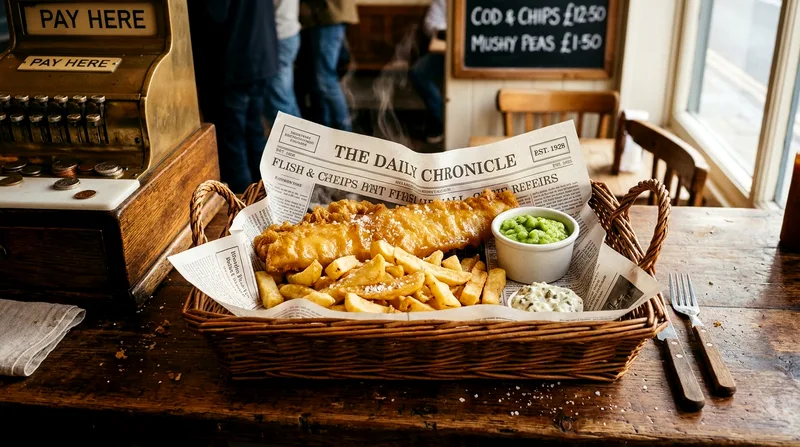
A proper fish supper is one of the few London meals that hasn't been reinvented beyond recognition, and that's exactly the point. The batter should be thin and crisp rather than doughy, the fish should steam rather than dry out inside it, and the chips — not "fries," please — should be cut thick, around the width of your finger, so the inside stays fluffy. Get this wrong and you end up with the soggy, oversalted version sold near Leicester Square at midnight, which has done more damage to London's reputation for fish and chips than anything else.
Traditional London fish and chips is also about the fat. Old-school chippies fry in beef dripping, which gives a heavier, more savoury flavor than the vegetable oil most places use now. Dripping-fried fish has a slightly different crunch — less neutral, more like a roast dinner crossed with a fry-up. It's not better for you, and it's not for everyone, but it's the taste that earlier generations of Londoners grew up with, and a handful of chippies still do it this way deliberately.
I'd argue the fish matters less than people think. Cod and haddock are both correct choices, and the difference is subtle: haddock has a slightly sweeter, more delicate flavor, while cod holds up better in thicker fillets. Skip plaice unless you specifically want something milder and flatter — it's traditional too, but it's easy to overcook.
Cod, Haddock and Beef Dripping vs Modern Takes
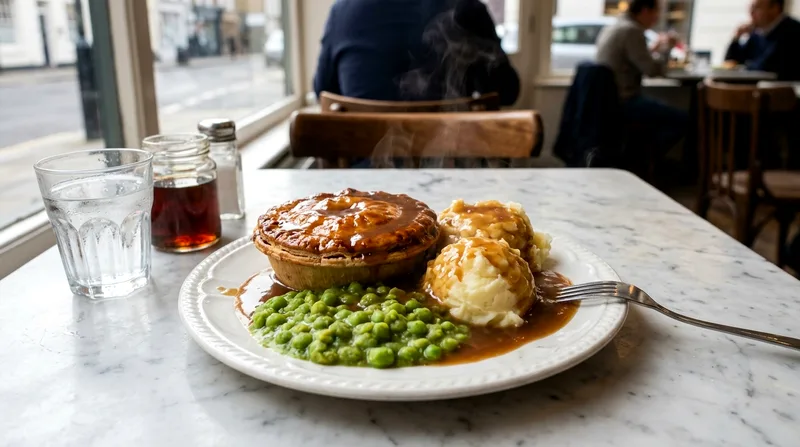
Modern London chippies have moved toward lighter batters, sunflower or rapeseed oil, and sometimes gluten-free options using rice flour or soda water batter. These are genuinely good for a lighter meal, and gluten-free batter has become common enough that most places near tourist attractions will offer it without much notice. But if you want the version your grandparents might recognize, look for places that still advertise beef dripping — Poppies in Spitalfields is one of the better-known examples, with a 1950s diner look that's more deliberate styling than historical accident, but the food backs it up.
A Short History of the London Chippy
Fish and chips arrived in London in the mid-1800s, with early shops opening in the East End as Jewish immigrants brought fried fish traditions from Eastern Europe, which then merged with the English habit of frying chipped potatoes. By the early 20th century, chip shops were everywhere — reportedly over 35,000 across Britain at the trade's peak, though that number has fallen by more than half since. The dish survived rationing during both World Wars because the government kept it off the ration list, partly to maintain morale. That history is why you'll still find family-run chippies that have operated for three or four generations in the same spot, something you won't see with most London restaurants.
Best Fish and Chips Near Major Sights
If you're trying to fit a meal around a day of sightseeing, location decides more than reputation does. London is large enough that a "best chippy in London" according to some list might be a 40-minute Tube ride from where you're actually standing. Here's where the better options cluster near places visitors already go.
The best fish and chips in London depend heavily on which sights you're already near, not just which shop has the best reputation.
London fish and chips by neighborhood: proximity, style and best for
| Chippy | Neighborhood | Nearby Sights | Style | Best For |
|---|---|---|---|---|
| The Golden Hind | Marylebone | Baker Street, Regent's Park | Traditional, licensed | Sit-down meal with a drink |
| Poppies | Spitalfields | Brick Lane, Shoreditch | Dripping-fried, retro diner | Dine-in with full atmosphere |
| Fish Central | City/Old Street | Barbican, Museum of London | Modern, restaurant-style | Full sit-down meal |
| The North Sea Fish Restaurant | Bloomsbury | British Museum | Traditional, long-established | Reliable lunch near museums |
| Master's Superfish | Waterloo | South Bank, London Eye | Traditional, cash-favoring | Destination meal, not a quick stop |
| Toff's of Muswell Hill | Muswell Hill | None central | Traditional, award-recognized | Dedicated trip, not tourist-route |
Figures and travel times are approximate; check current hours and sit-down availability before visiting.
Soho, Covent Garden and Bloomsbury
The Golden Hind, tucked just north of Oxford Street near Marylebone, is a genuine old-school chippy that's been cooking in the same spot since the early 1900s. It's a short walk from Baker Street and Regent's Park, and it's licensed, so you can have a beer with your meal — not every chippy offers that. In Bloomsbury, close to the British Museum, you'll find smaller independent fryers that don't always make the "best of" roundups but are reliable for a post-museum lunch without a queue. Soho itself has more chain-adjacent options catering to the theatre crowd; they're fine for convenience but not where I'd send someone looking for the real thing. If you're seeing a West End show, eat beforehand rather than after — kitchens start winding down fryers by mid-evening in this part of town.
South Bank, Westminster and the City
Fish Central, on the edge of the City near Old Street, has built a loyal following and is worth the detour if you're near the Barbican or Museum of London. Along the South Bank, options near the London Eye and Tate Modern tend to be tourist-priced and inconsistent — this is one stretch where I'd actively steer you away from anything directly facing the river unless a local has vouched for it. Better to walk a few minutes inland toward Waterloo or Borough, where prices drop and quality often improves. Near Westminster Abbey and Big Ben, dedicated chippies are scarce; most options are pub-adjacent, which isn't a bad fallback since many London pubs do a competent fish and chips as a kitchen staple.
Classic Chippies Beyond the Centre
Some of the most talked-about fish and chips in London aren't near any landmark at all, which is either a reason to make the trip or a reason to stick to central options — depends how much you care. Master's Superfish, south of the river near Waterloo, draws people specifically for its fish and chips rather than as a stop on a sightseeing route, and it's worth knowing about if you're staying in that area. Brockley's Rock, further south, is a neighborhood favorite with little tourist traffic, which also means no queue and no inflated pricing.
Islington and Muswell Hill
Toff's of Muswell Hill, in north London, regularly gets mentioned in "best chippy in London" conversations among people who actually live there rather than just visit. It's a 30-40 minute journey from central London by bus or Tube-plus-walk, which rules it out for most itineraries, but if you're staying nearby or have a free afternoon, it's a legitimate destination meal rather than a convenience stop. The North Sea Fish Restaurant in Bloomsbury sits in an odd middle ground — close enough to the centre to be convenient, old enough to have real history, and consistently good rather than spectacular. Islington has a handful of solid options along Upper Street, useful if you're doing a canal walk near King's Cross or visiting the Angel area.
Family-Run vs Chain Establishments
Chain chippies and the fish-and-chip counters inside some pub groups aren't necessarily bad, but they standardize everything — the same frozen fish portions, the same reheated chip texture. Family-run places vary more, which means more risk but also a higher ceiling. If a shop has been run by the same family for decades, as several on this list have, that's usually a better signal of quality than a glossy website or a prominent spot on a tourist strip. I'd rather eat at a slightly worn-looking family shop with a queue of local regulars than a smart-looking one with none.
Takeaway or Sit-Down: Which to Choose
Takeaway fish and chips in central London is usually cheaper than the sit-down version at the same shop, sometimes by a noticeable margin once you factor in table service and sides. It's also faster — useful if you're squeezing lunch between the Tower of London and a river cruise. The trade-off is temperature and texture: fish and chips eaten within ten minutes of frying is far better than the same portion twenty minutes later in a paper bag, where steam softens the batter.
Sit-down service, often available at the same shops as a side room or upstairs area, gives you mushy peas in a proper bowl, tartare sauce without a sachet, and usually a beer or soft drink list. It costs more and takes longer, but for families with children or anyone who wants a proper sit-down meal rather than a snack on the move, it's the better call. The Golden Hind and Poppies both do sit-down well; Fish Central has a more restaurant-like setup if you want to make it a full meal rather than a stop.
Where to Eat Your Takeaway Outdoors
If you're going the takeaway route, plan where you'll eat it before you order — a hot portion loses its appeal if you're still walking ten minutes later. The South Bank has benches facing the Thames near Gabriel's Wharf, a reasonable spot if you've bought from somewhere nearby rather than the overpriced waterfront stalls. Regent's Park works well if you're coming from the Golden Hind. St James's Park, near Buckingham Palace, is another solid choice, though seagulls are a genuine hazard — don't leave an open portion unattended for even a few seconds.
Sustainable and Alternative Options
Sustainable fish and chips in London has become easier to find, though it's not yet the default. Cod and haddock stocks in the North Atlantic have faced real pressure over decades of overfishing, and several London chippies now source from fisheries certified by the Marine Stewardship Council, which sets standards for sustainable catch methods. If this matters to you, look for the blue MSC label on the menu or ask directly — most staff at independent shops know exactly where their fish comes from, since they're often buying from the same supplier week to week.
Pollock and coley have become more common as alternatives to cod, partly on sustainability grounds and partly because they're cheaper. Both fry up well and taste similar enough that many visitors wouldn't notice the swap. If a menu offers a choice, it's a reasonable one to make.
Responsibly Sourced Seafood and Vegetarian Choices
Vegetarian and vegan "fish" and chips — usually made from halloumi, tofu, or banana blossom in batter — have shown up at a growing number of London chippies and food markets, including stalls at Borough Market and Camden Market. The quality varies considerably; banana blossom versions can be genuinely convincing in texture, while some halloumi versions are just cheese in batter, which isn't the same experience at all. If you're vegetarian and want something closer to the real thing, ask the shop directly rather than assuming — not every traditional chippy offers a plant-based option, and fryers using the same oil as fish batter are a consideration if you're strict about cross-contamination.
Ordering Tips for First-Timers
Ordering at a London chippy is simple but has unwritten rules that aren't obvious if you've never done it. You choose your fish (cod, haddock, or occasionally plaice or rock), then a portion size — "regular" and "large" are standard, and large is genuinely large, often enough for two if you're also getting chips. Chips are usually ordered separately or as a combo, and most places fry to order rather than holding stock under a lamp, so expect a short wait at busy times, typically five to ten minutes.
Sides, Sauces and Etiquette
Mushy peas are the classic side — made from dried marrowfat peas, not fresh ones, with a distinct soft texture that surprises some first-timers. Curry sauce is a genuinely popular topping in London chippies, not a novelty, and worth trying if you haven't. Tartare sauce, vinegar (ask for it specifically — "chippy vinegar" is stronger than table vinegar), and salt are the standard additions. Don't ask for ketchup at a traditional chippy if you want to blend in, though nobody will actually refuse you. Tipping isn't expected at counter-service chippies; if you sit down and get table service, 10% is reasonable but not obligatory.
Frequently asked questions
Is London known for fish and chips?
Yes — fish and chips is considered England's national dish, and London has hundreds of chippies ranging from century-old family shops to modern takes using sustainable fish. It's not a London invention specifically, but the city has some of the country's most recognized and longest-running shops, including several dating back to the early 1900s.
Which fish and chips restaurants are near major tourist attractions in London?
The Golden Hind sits near Baker Street and Regent's Park, the North Sea Fish Restaurant is a short walk from the British Museum, and Fish Central is close to the Barbican and Museum of London. South Bank options exist near the London Eye and Tate Modern, though quality there is inconsistent — walk a few minutes inland toward Waterloo for better value.
What makes traditional London fish and chips different?
Traditional versions use thin, crisp batter, thick-cut chips, and sometimes beef dripping instead of vegetable oil, giving a heavier, more savoury flavor. Cod and haddock are the standard fish choices. Modern chippies have moved toward lighter batters and alternative oils, plus gluten-free options, which change the texture noticeably.
Are there sustainably sourced fish and chips options in London?
Yes — look for the Marine Stewardship Council (MSC) blue label on menus, which indicates certified sustainable sourcing. Many independent chippies also use pollock or coley as alternatives to cod, both to ease pressure on North Atlantic stocks and to keep prices down. Ask staff directly if sourcing isn't listed on the menu.
Where can I find takeaway fish and chips in central London?
Central options include shops in Soho, Bloomsbury, and near Marylebone, with takeaway typically cheaper than sit-down service at the same counter. Eat it within ten minutes of ordering for the best texture — Regent's Park, St James's Park, and spots along the South Bank near Gabriel's Wharf are good places to sit and eat it outdoors.