A relaxed 7-day London itinerary with headline sights, two day trips and quieter corners, plus where to stay and how to get around for an easy week.
Who This 7-Day London Itinerary Suits
Seven days is an unusually generous amount of time for London by most visitors' standards, and that's exactly the point. This london itinerary 7 days plan is built for people who'd rather walk at a human pace than sprint between a dozen landmarks a day. It suits families with children who need slower mornings and shorter afternoons, couples wanting a few unplanned hours together, and senior travellers who prefer fewer Tube changes and more sitting-down time in parks and cafés.
It's less suited to the traveler who's combining London with four other European cities on a tight ten-day run — if that's you, three or four days focused on Westminster, the South Bank and one museum will serve you better than trying to force this fuller plan into half the time. It's also not ideal if you despise day trips; two of the seven days here leave the city entirely, and if you'd rather stay within the M25 the whole week, you can swap those days for more neighbourhoods instead.
The structure below gives each day a morning, afternoon and evening, with one bookable experience worth reserving ahead and a backup plan for rain or tired legs. A comparison table further down lays out all seven days side by side, so you can see at a glance where the day trips fall and swap days around for your own interests or the season you're traveling in.
Days 1–2: Royal London and the Thames
The first two days cover the sights most people picture when they think of London — Big Ben, the Tower, the river itself — and they're grouped together because they share decent Tube and riverside walking connections. Doing them back to back also means you get the obligatory "big sights" out of the way early, leaving the rest of the week freer for things you discover as you go.
Day 1: Westminster and St James's
Start at Westminster Abbey for a mid-morning visit — arriving right at opening avoids the worst of the queue, and you'll want a solid 90 minutes inside, longer if you're interested in the Poets' Corner and royal tombs. From there it's a five-minute walk past the Houses of Parliament and Big Ben for photos, then into St James's Park for lunch on a bench or at one of the park cafés, with a good chance of seeing pelicans near the lake.
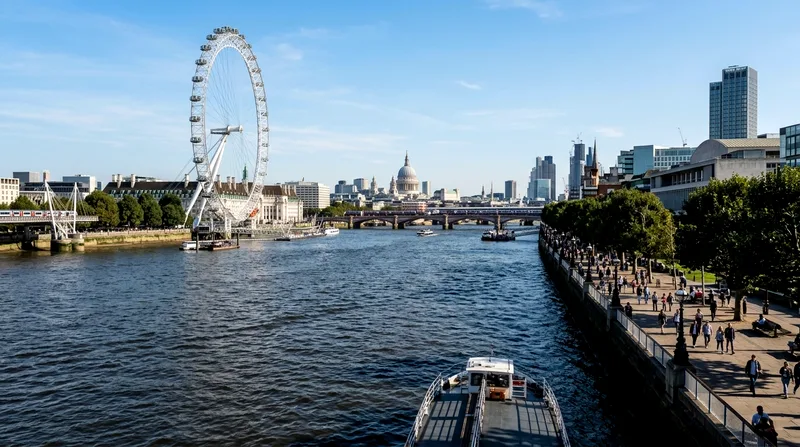
In the afternoon, walk up The Mall toward Buckingham Palace — the Changing of the Guard runs on select mornings, not daily, so check the schedule the week before if you want to catch it rather than building your whole morning around it. Spend the rest of the afternoon in St James's itself, a quieter, more residential corner of royal London than most visitors bother with. In the evening, a Thames dinner cruise or simple sunset river cruise past Westminster and the Eye is worth booking ahead, since the best-timed departures sell out on clear evenings — compare current river cruise options and prices before you book.
Rain plan: swap the park wander for the Churchill War Rooms, a few minutes' walk from Westminster and entirely indoors.
Day 2: Tower of London and the South Bank
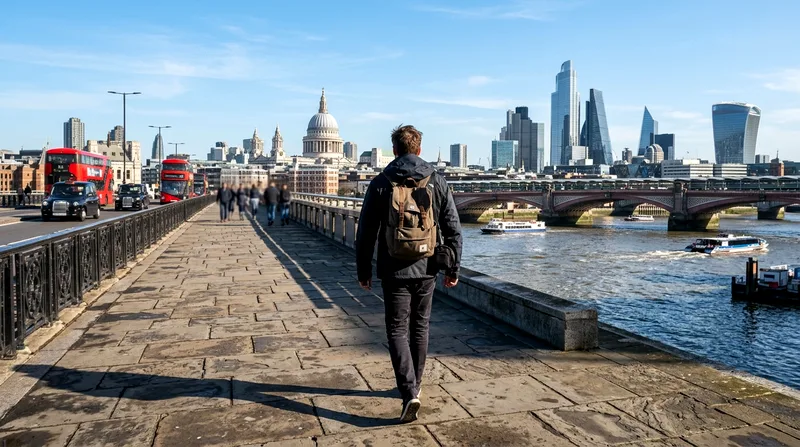
Give the Tower of London the whole morning — it's dense with history, the Crown Jewels queue moves slowly, and rushing it defeats the purpose. Arrive close to opening if you can; by midday the crowds thicken considerably, especially from late spring through summer. Afterward, cross Tower Bridge on foot (free, and the views back toward the Tower are worth the five minutes) and head along the South Bank.
Afternoon is for a relaxed riverside walk toward Borough Market, where lunch from one of the food stalls beats a sit-down restaurant for both speed and value. From there it's a short stroll to the London Eye if you want the view — though honestly, it's an experience I'd skip for anyone prone to queues or heights anxiety, since the capsules move slowly and the wait can run past 45 minutes without a pre-booked slot. Evening options along the South Bank include a simple walk past the National Theatre with the illuminated skyline across the water, which costs nothing and rivals the paid viewpoints.
Tired-legs alternative: skip Tower Bridge on foot and take the Tube one stop instead, saving the walking for the market.
Days 3–4: Museums, Markets and Neighbourhoods
With the headline sights behind you, days three and four shift toward culture and neighbourhood wandering — the part of a London week that tends to stick in memory longer than any single monument. Both the V&A and Tate Modern are free to enter (special exhibitions cost extra), which makes them easy to dip into for two hours rather than committing a whole day.
Day 3: Kensington and the V&A Museum
Spend the morning at the V&A Museum — the fashion and jewellery galleries are the strongest draw, and two to three hours covers a reasonable chunk without museum fatigue setting in. It sits in a cluster with the Natural History Museum and Science Museum next door, so if you're traveling with children who want dinosaurs rather than decorative arts, swap in the Natural History Museum instead; both are an easy walk apart.
After lunch in South Kensington, walk through Kensington Gardens to Kensington Palace, still a working royal residence with public rooms open to visitors — the gardens alone are worth the detour even if you skip the palace interior. Evening is deliberately unplanned: Kensington High Street has plenty of mid-range dining, and this is a good night to simply rest rather than pack in more sights. Families traveling with young children will find day three the gentlest of the week.
Day 4: Tate Modern, Shakespeare's Globe and Notting Hill
Morning at Tate Modern suits people who like modern and contemporary art — if that's not you, don't force it; the permanent collection is large and can feel repetitive to visitors who prefer older works. Right next door is Shakespeare's Globe, a reconstruction of the original Elizabethan theatre; a guided tour of the building runs year-round, while actual performances are seasonal, generally spring through autumn, so check what's showing if you want tickets to a play rather than just the tour.
In the afternoon, head across town to Notting Hill — the Tube ride takes about 35–40 minutes from the South Bank. Portobello Road Market is liveliest on Saturdays, with antiques, food stalls and a genuinely different pace from central London's tourist core; on other weekdays it's quieter but still worth the pastel-house photo stop. Evening: dinner in Notting Hill itself, which has more independent restaurants per block than most central neighbourhoods and far fewer tourist-menu traps than Leicester Square.
Rain plan: both museums are indoors already, so day four holds up well in bad weather — just swap the Portobello wander for a covered market hall or an extra hour inside Tate Modern.
Days 5–7: Day Trips and a Slow Finale
This is where a week in London earns its length. With five central days behind you, days five and six leave the city for two very different day trips, and day seven deliberately slows everything down before you fly home or move on to Paris, Amsterdam or wherever's next.
The week splits cleanly into two city-sightseeing days, two culture-and-neighbourhood days, two day-trip days and one slow finale, so you can swap any single day without unraveling the rest.
London itinerary 7 days: day-by-day comparison at a glance
| Day | Focus | Pace | Best For | Weather Dependence |
|---|---|---|---|---|
| Day 1 | Westminster, St James's | Moderate | Royal history, river views | Medium |
| Day 2 | Tower of London, South Bank | Moderate-Busy | Crown Jewels, markets | Low |
| Day 3 | V&A, Kensington Palace | Relaxed | Museums, families | Low |
| Day 4 | Tate Modern, Notting Hill | Moderate | Art, neighbourhoods | Low |
| Day 5 | Hampton Court Palace | Relaxed | Gardens, Tudor history | Medium-High |
| Day 6 | Bletchley Park | Relaxed | WWII history, train day trip | Low |
| Day 7 | Lesser-known London | Slow | Markets, farewell dinner | Low |
Pacing is approximate; swap any day trip for extra central London time if traveling with young children or in poor weather.
Days 5–6: Hampton Court Palace and Bletchley Park
Hampton Court Palace sits about 40 minutes from central London by train from Waterloo, or you can take a slower, more scenic river boat from Westminster that takes roughly three to four hours one way — fine for a leisurely day, not if you're tired of boats already. The palace itself, Henry VIII's old residence, needs three to four hours including the maze and gardens; bring a picnic if the weather holds, since the grounds are large enough to find a quiet patch of lawn even in summer.
Day six goes the opposite direction in tone: Bletchley Park, around 45–50 minutes by direct train from London Euston, covers the WWII codebreaking history behind Enigma and the birth of modern computing. It's a denser, more read-heavy visit than Hampton Court — plan on three hours minimum — and suits history-minded travelers and anyone who enjoyed museums like the Churchill War Rooms earlier in the week. Compare these two day trips honestly: Hampton Court is gardens, architecture and a gentler pace; Bletchley Park is darker, denser history with less to look at and more to read. Pick based on what wore you out less earlier in the trip, or do both if your legs can take it — booking train tickets ahead, rather than buying on the day, usually costs less for both routes.
Day 7: Lesser-Known London and a Farewell Evening
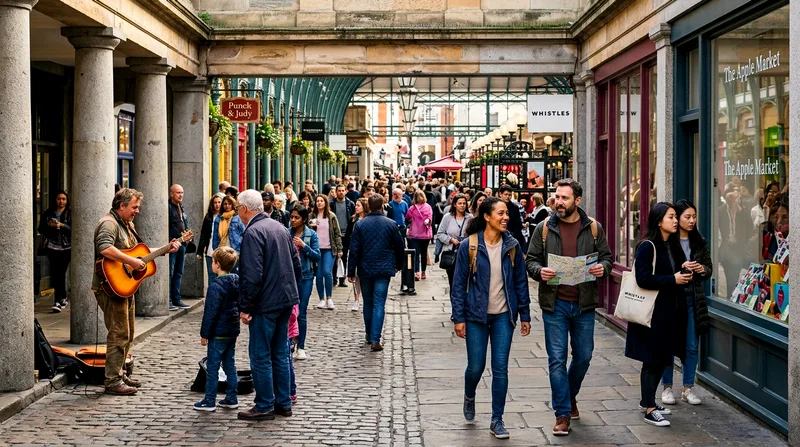
After two day trips, day seven stays local and slow. Spend the morning somewhere you haven't been — Spitalfields Market and the surrounding Brick Lane area for street food and vintage stalls, or Hampstead Heath if you'd rather have green space and a view over the city from Parliament Hill. Neither requires advance planning, which is the point: this is a day for wandering, not ticking off sights.
For the evening, book something that feels like a proper farewell rather than another attraction — a West End show, a food tour through a neighbourhood like Borough or Shoreditch, or a final river walk at dusk with dinner somewhere you picked earlier in the week and liked enough to return to. Compare current West End show tickets and prices before you book, since availability shifts a lot by day of week and season.
Getting Around and Where to Base Yourself
Where you sleep shapes how tired you get, more than any single attraction choice does. London is large — zone 1 alone takes 30–40 minutes to cross on foot at a brisk pace — and a badly chosen base adds an hour of commuting to every single day of this itinerary.
Tube, Buses and Walking Between Sights
A contactless bank card tapped directly on Tube gates and buses is simpler than buying paper tickets and caps your daily spending automatically — there's rarely a reason to buy a separate Oyster card now unless you prefer a dedicated transport card. Buses are slower than the Tube but let you see the city rather than a tunnel wall, and for short hops of two or three stops they're often faster door-to-door once you account for walking to and from stations. Walking between nearby sights — Westminster to St James's, Tate Modern to Shakespeare's Globe — is almost always quicker than the Tube once you add in platform changes.
Best Areas to Stay for a Week
South Kensington works well for this itinerary's balance of museums and transport links, with a Tube station inside the neighbourhood and decent mid-range hotel stock. Covent Garden or Bloomsbury suit travelers who want to walk to the West End and Soho at night without relying on late Tube connections. Avoid basing yourself right by Heathrow or in far outer zones to save money — the nightly transport cost and time add up fast, and it erodes exactly the relaxed pacing this itinerary is built around. Compared to Paris, where central arrondissements are compact enough that location matters less, London's size makes neighbourhood choice a genuinely bigger decision.
Optional Bookable Experiences
A few experiences across this week are worth reserving ahead rather than turning up and hoping — not because London is impossibly crowded by Rome or Barcelona standards, but because specific time slots and popular evenings do sell out. A sunset Thames cruise on day one, a West End show on day seven, and train tickets to Hampton Court or Bletchley Park booked a few days ahead are the three I'd prioritize. Everything else — museum entry, market wandering, park walks — can be done on the day without pre-booking, and over-planning every hour is the fastest way to turn a relaxed week into a stressful one. Compare current prices and time slots for river cruises, train tickets and theatre shows before you commit, since all three fluctuate by day and season far more than the free attractions do.
Frequently asked questions
Is 7 days too long in London?
No — for most first-time visitors it's close to the minimum for an unhurried trip once you include a museum day and a day trip or two. If you've visited before and only want the neighbourhoods and food scene, five days might suffice, but seven days rarely feels like too much unless you dislike day trips altogether.
What day trips can you take from London in a week?
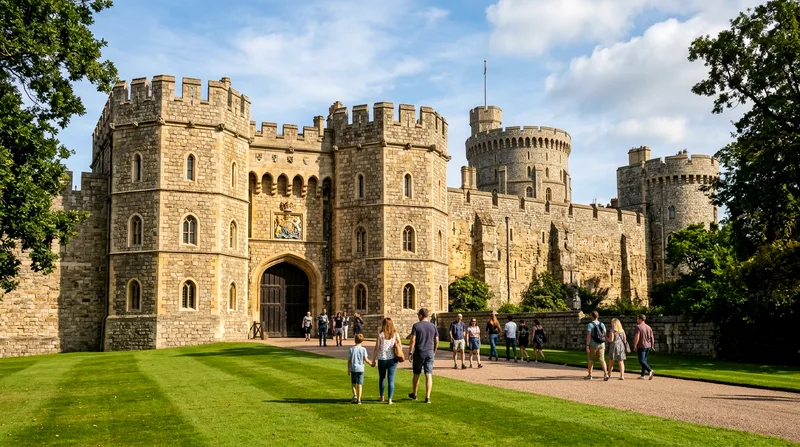
Hampton Court Palace (around 40 minutes by train from Waterloo) and Bletchley Park (45–50 minutes from Euston) both fit comfortably within a seven-day trip without feeling rushed. Windsor Castle and Oxford are other common choices if you'd rather swap one of these two out — both are roughly an hour from central London by train.
Where should you stay for one week in London?
South Kensington, Covent Garden and Bloomsbury all balance transport links with walkability well. Avoid outer zones or areas near Heathrow purely for price — the extra Tube time each day adds up over a full week and works against the relaxed pace this itinerary aims for.
How do you get around London for a week?
Tap a contactless bank card directly on Tube gates and buses; it automatically caps your daily and weekly spending, so there's little need for a separate Oyster card. Walk between sights that are under 20 minutes apart — it's often faster than the Tube once you factor in station access and changes.
What is the best time of year for a week in London?
Late spring (May–June) and early autumn (September) bring milder weather and longer daylight without the heaviest summer crowds at the Tower of London and the Eye. Winter works too if you don't mind shorter days and cooler, wetter weather — just build in more indoor backup days for museums.