Find the best London activities for kids when it rains. Compare indoor tours and bookable experiences by age and budget, and what to check before booking.
Which Indoor Activity Suits Your Family
A grey London forecast doesn't have to wreck a family day, because plenty of bookable indoor activities keep kids busy and dry. The trick is matching the activity to the age group in your group, not just picking whatever ranks highest on a map app. A toddler and a 12-year-old do not want the same rainy afternoon, and trying to please both with one booking usually ends in a meltdown — theirs or yours.
London's indoor options split roughly into four camps: big-name museums, immersive or theatrical attractions, hands-on workshop experiences, and retail-as-entertainment stops like Hamley's. Each works differently for different ages, and each has a different booking model. Museums like the Natural History Museum are free to enter but increasingly require timed-entry booking for popular galleries. Paid attractions like Madame Tussauds or the London Dungeon run on ticketed slots with set durations, usually 60 to 90 minutes.
My honest view: skip anything that promises to be "fun for all ages" without specifics. That phrase usually means a venue trying to stretch thin content across a broad audience. A dinosaur gallery genuinely works for a five-year-old and a fifteen-year-old; a generic "experience" often doesn't.
Toddlers and under-fives
For under-fives, prioritise venues with low sensory overload and short attendance spans — 45 minutes to an hour is often the ceiling before a toddler checks out. The Natural History Museum's ground floor galleries work well because you can duck in and out without buying a ticket. Avoid Madame Tussauds and the London Dungeon for this age group; the Dungeon in particular uses jump scares and actors in costume that genuinely frighten small children, and there's no "lite" version. Soft-play-style indoor attractions or the ground floor of Hamley's (expect crowds and noise) suit toddlers better than anything scripted or theatrical.
Primary-age kids and teens
Kids aged roughly 7 to 12 get the most out of interactive, hands-on venues — the V&A's family activity trails, or the Science Museum's interactive galleries (not listed above but worth a mention alongside Natural History Museum as a near-identical sibling institution). Teens tend to prefer either genuinely immersive experiences, like Churchill War Rooms with its audio-guide storytelling, or pop-culture stops like Platform 9¾ at King's Cross, which takes 15 minutes but works as a free quick stop rather than a half-day booking. For this age bracket, a guided tour with a knowledgeable guide often lands better than a self-paced museum wander, since teens respond to narrative and context more than static displays.
Indoor Activity Types Compared
Not all "indoor activities" are the same product. A free national museum, a ticketed immersive attraction, and a small-group guided tour differ in duration, flexibility, and what you're actually paying for — and conflating them leads to disappointment when a family expects a two-hour Natural History Museum level of content from a 45-minute ticketed attraction.
Museums suit flexible, self-paced family days while ticketed attractions and guided tours fit tighter schedules with fixed start times.
London indoor activities for kids compared by type, duration and best age
| Activity Type | Typical Duration | Best Age | Booking Flexibility | Example |
|---|---|---|---|---|
| Free national museum | 1-4 hours | 4 and up | High, often free entry | Natural History Museum |
| Themed museum | 1-2 hours | 8 and up | Moderate, timed entry common | V&A Museum |
| Immersive history site | 60-90 min | 10 and up | Timed slots, some flexibility | Churchill War Rooms |
| Theatrical attraction | 60-90 min | 10 and up (not toddlers) | Fixed timed ticket | London Dungeon |
| Waxwork attraction | 60-90 min | 5 and up | Fixed timed ticket | Madame Tussauds |
| Zoo indoor houses | 30-60 min per house | All ages | High, general admission | London Zoo |
| Free quick stop | 15-20 min | All ages | No booking needed | Platform 9¾, King's Cross |
Durations and age suitability are general guidance; always check the current listing for age restrictions, accessibility and cancellation terms before booking.
Museums vs attractions vs guided tours
Museums (Natural History Museum, V&A, Imperial War Museum, Museum of London Docklands) are typically free to enter, self-paced, and can fill anywhere from one hour to a full day depending on how deep you go. Ticketed attractions (Madame Tussauds, London Dungeon, Churchill War Rooms) run on a fixed timed slot, usually 60-90 minutes, with a defined start and end — good for planning around nap times or dinner bookings. Guided tours, whether a walking tour with an indoor finale or a dedicated behind-the-scenes museum tour, add a human guide and narrative structure, usually running 90 minutes to two hours, and tend to suit older kids better than toddlers who won't sit through commentary.
Private vs group experiences
Group tours and standard attraction tickets are cheaper and more widely available, but you're on someone else's schedule and pace. Private family tours or workshop slots cost more but let you set the pace — useful if you have a child with sensory sensitivities, a buggy, or a toddler who needs unscheduled breaks. If you're traveling with grandparents or mixed-mobility groups, a private option is usually worth the premium; group tours rarely wait for anyone.
Museums and Hands-On Learning
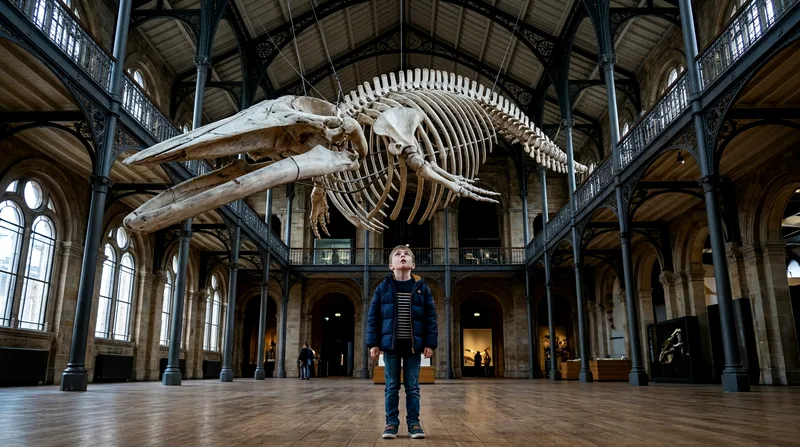
Museums are the backbone of any wet-weather plan in London, and the best ones aren't just galleries of objects behind glass — they're built around things kids can touch, operate, or climb into. The Natural History Museum's earthquake simulator and dinosaur gallery routinely top family recommendation lists for good reason: the content is genuinely engaging for ages 4 to 14, not dumbed down or over-complicated. The V&A runs family-specific trails and weekend workshops, often themed around design and making, which suit slightly older kids (8+) who've outgrown pure spectacle.
The Imperial War Museum and Churchill War Rooms are better suited to 10-plus and teens — the subject matter is heavier, and younger kids tend to disengage from the dense historical detail. The Museum of London Docklands is a quieter, less crowded alternative that covers London's trade and maritime history with decent hands-on elements, and it's rarely as busy as the big-name museums on a wet Saturday, which matters when every other family in London has had the same idea.
Interactive galleries and workshops
Look specifically for "hands-on" or "interactive" in a gallery's description rather than assuming any museum qualifies. Many London museums have static sections mixed with interactive ones, and a rainy day with a restless seven-year-old goes much better if you plan a route through the interactive galleries first and treat the rest as optional. Workshops — pottery, craft, or science-demonstration sessions — usually need advance booking since capacity is small, often 15-30 participants per session, and they sell out faster around school holidays.
Attractions and Unusual Indoor Experiences
Beyond museums, London has a cluster of theatrical, immersive attractions built specifically for indoor entertainment rather than education. Madame Tussauds works well for kids who like photo-ops with recognisable characters, though be aware queues inside can be long even with a pre-booked time slot — budget 90 minutes minimum, not the 45 the marketing implies. The London Dungeon is genuinely scary by design, aimed at 10-plus and adults; it is not a toddler or young-child venue despite sometimes appearing in generic "kids" roundups.
Themed shows and immersive visits
Churchill War Rooms counts as an immersive visit rather than a show — no actors, but the preserved underground bunker rooms and audio narration create a genuinely absorbing hour for kids who like history told as a story rather than a lecture. If your children enjoy live performance, check listings for family matinee shows separately; these aren't covered by general attraction tickets and need their own booking.
Less crowded alternatives
If the big names feel too busy or too expensive, consider London Zoo's indoor houses (reptile and insect sections stay open and heated regardless of weather) or a quick, free stop at Platform 9¾ at King's Cross station — allow 15-20 minutes including photo queue. Hamley's toy store on Regent Street is free to browse and effectively functions as an indoor activity in its own right, though it gets loud and crowded on Saturdays; go on a weekday morning if you can.
What to Check Before You Book
Before confirming anything, read the fine print on duration, inclusions, and cancellation — this matters more for rainy-day bookings than ordinary sightseeing because weather-driven demand means attractions fill fast and refund policies vary widely between operators.
Inclusions, group size and cancellation
Check whether the ticket price includes an audio guide, a locker (useful for buggies and wet coats), or skip-the-line access — these details change the real value of a ticket more than the headline price. For guided tours, ask or check listed group size; anything over 15 people with one guide makes it hard for kids to hear or engage. Cancellation policies for timed-entry tickets vary — some allow free rescheduling up to 24 hours ahead, others are non-refundable once booked, so always check current prices and cancellation terms when booking rather than assuming.
Accessibility and pushchair access
Many of London's historic indoor attractions sit in old buildings with step-heavy layouts — Churchill War Rooms, for instance, is underground with limited step-free routing in places. If you're traveling with a pushchair or a wheelchair user, check the venue's accessibility page before booking rather than assuming; most major museums (Natural History Museum, V&A) have full step-free access and buggy parks, but smaller or older attraction buildings often don't.
When to Book for Rainy Days
London weather forecasts are reliable roughly 3-5 days out and get genuinely useful about 48 hours ahead. Booking too early means guessing; booking too late on a wet morning means competing with every other family in the city for the same slots, particularly during school holidays when demand for indoor options spikes noticeably.
Flexible tickets and weather backup plans
Where possible, book attractions with flexible or free-rescheduling timed tickets rather than rigid non-refundable slots — it costs little extra and saves a wasted booking if the forecast flips. A sensible approach: book one indoor anchor activity two to three days ahead once the forecast firms up, and keep a free backup (a museum, Platform 9¾, a covered market) unbooked and nearby in case plans shift. Multi-attraction passes covering several paid sights can save money if you're hitting three or more paid venues, but they rarely include the free museums, so do the math before assuming a pass is better value than booking individually.
Frequently asked questions
What indoor activities are available in London for kids on rainy days?
Options span free museums (Natural History Museum, V&A, Museum of London Docklands), ticketed attractions (Madame Tussauds, London Dungeon, Churchill War Rooms), indoor zoo houses at London Zoo, and quick free stops like Platform 9¾. Pick based on age rather than popularity rankings alone.
What are the top museums for children in London?
The Natural History Museum leads for hands-on dinosaur and earthquake exhibits suiting most ages. The V&A works well for kids 8 and up interested in design and craft workshops. The Imperial War Museum and Museum of London Docklands suit older children, roughly 10 and up, who can engage with denser historical content.
What are unique or unusual indoor things to do with kids in London?
Platform 9¾ at King's Cross gives a free 15-minute photo stop themed around Harry Potter. Churchill War Rooms offers an underground bunker experience with audio storytelling. Hamley's toy store doubles as a free browsing activity, best visited on a weekday morning to avoid crowds.
Which indoor activities suit toddlers versus older children?
Toddlers do best with short, low-sensory stops — ground-floor museum galleries or soft indoor spaces — and should avoid scare-based attractions like the London Dungeon. Older kids and teens engage better with narrative-driven experiences like Churchill War Rooms or guided tours with context and storytelling.
Should I book London indoor activities in advance for a rainy day?
Yes, especially during school holidays when demand for indoor options rises sharply. Book your main activity two to three days ahead once the forecast is reliable, choose flexible or reschedulable tickets where available, and keep one free backup activity unbooked in case plans change.